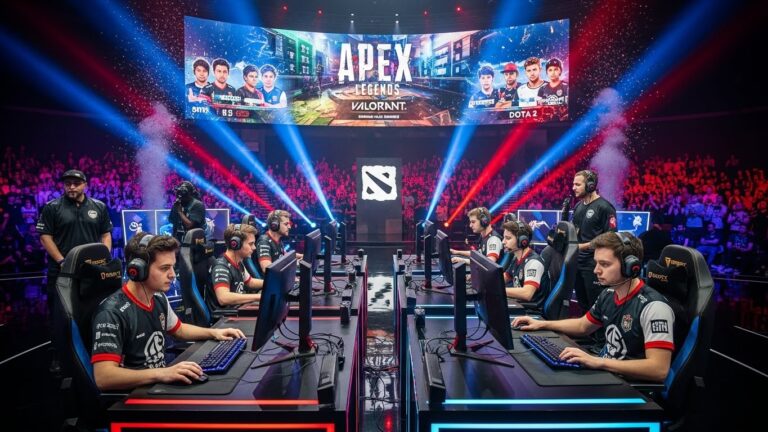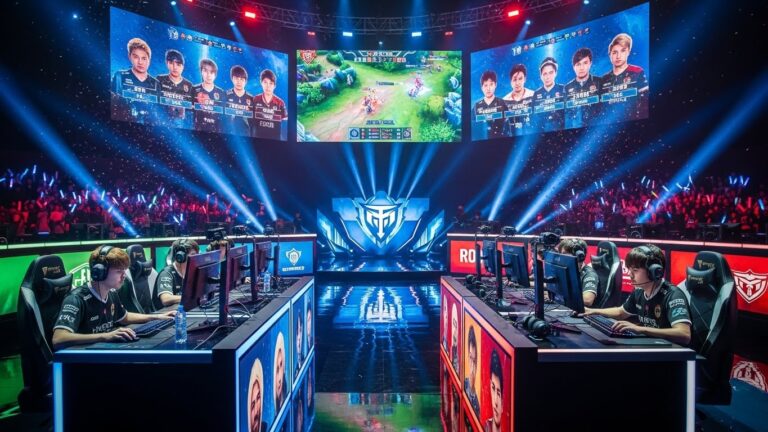
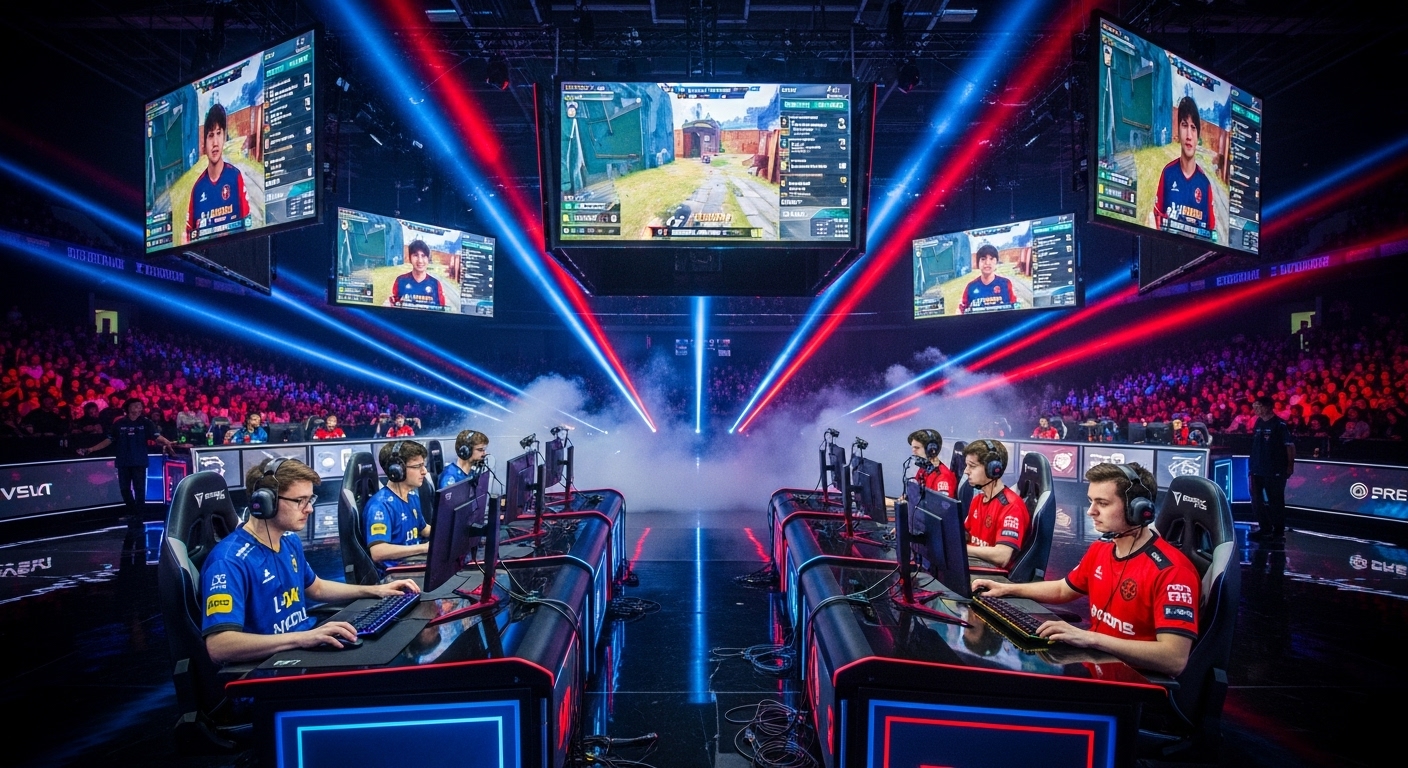
Esports, the competitive world of professional video gaming, has evolved from a niche hobby into a global phenomenon. Over the past decade, this rapidly growing industry has attracted millions of fans, created lucrative career opportunities, and transformed the way we view competitive gaming. What was once seen as a pastime for a dedicated few has now become a multi-billion-dollar business with its own culture, star players, and massive events. In this blog post, we’ll take a deep dive into the world of esports—exploring its explosive growth, cultural impact, challenges, and what the future may hold for this exciting sector of entertainment.
The Rise of Esports: From Casual Hobby to Global Industry
The concept of competitive gaming is not new. Early forms of gaming tournaments date back to the 1970s and 1980s, with games like Pong and Space Invaders sparking the first competitions. However, it wasn’t until the late 1990s and early 2000s that esports began to take its modern shape. Games such as StarCraft, Quake, and Warcraft helped to form the foundations of the competitive gaming scene. These games allowed players to compete not only against each other locally but also online, bringing together players from different parts of the world.
In the early days, esports events were small, with players competing in rented spaces or small LAN (Local Area Network) cafes. But as broadband internet access expanded and gaming technology advanced, the world of esports began to grow. By the mid-2000s, tournaments like The International and League of Legends World Championship began to attract large audiences, both online and in person. The growth of platforms like Twitch, which allowed gamers to stream their gameplay live, also played a pivotal role in bringing esports to a global audience.
By 2020, the esports industry was worth over $1 billion, and its audience had expanded to millions. Major esports events began to draw the attention of traditional media networks, and sponsorship deals with major brands like Coca-Cola, Nike, and Intel became commonplace. Esports athletes were no longer just players—they became celebrities in their own right, with large followings on social media and lucrative endorsement deals.
The Structure of Esports: Games, Leagues, and Tournaments
At the heart of esports is the competitive gaming ecosystem, which consists of various games, professional leagues, tournaments, and players. While esports encompasses a wide range of games, there are a few that stand out as the main pillars of the industry.
Popular Esports Games
Games like League of Legends, Dota 2, Counter-Strike: Global Offensive, Overwatch, and Fortnite are among the most popular titles in esports. Each of these games has its own unique competitive scene, with professional players, teams, and organizations dedicated to mastering them.
- League of Legends: Developed by Riot Games, League of Legends is a multiplayer online battle arena (MOBA) game that has become one of the most popular esports titles worldwide. Its World Championship event, often referred to as “Worlds,” attracts millions of viewers each year.
- Dota 2: Developed by Valve, Dota 2 is another MOBA game that is known for its highly competitive tournaments, including The International, which features a massive prize pool and attracts some of the best players in the world.
- Counter-Strike: Global Offensive (CS: GO): A first-person shooter (FPS), CS: GO has been a staple of the esports scene for many years. Its global competitions, like ESL Pro League and CS: GO Major Championships, are watched by millions of fans worldwide.
- Overwatch: Developed by Blizzard Entertainment, Overwatch is a team-based first-person shooter that has seen rapid growth in its esports league, the Overwatch League (OWL). OWL has brought professional esports into the mainstream with a city-based team structure similar to traditional sports leagues.
- Fortnite: While primarily a battle royale game, Fortnite has become a major esports title due to its highly popular competitive tournaments, such as the Fortnite World Cup, and its cross-platform play, making it accessible to a broad audience.
Esports Leagues and Tournaments
The structure of competitive gaming often mirrors traditional sports in the sense that it’s organized into leagues, with regular seasons leading to playoffs and championships. Many of these leagues have large-scale sponsorships, broadcast deals, and fan engagement strategies.
- League of Legends Championship Series (LCS): One of the most well-known esports leagues, the LCS has been a staple of competitive League of Legends since its inception. Teams from North America compete in a regular season, followed by playoffs that lead to the World Championship.
- Overwatch League (OWL): The OWL took a page from traditional sports, introducing a city-based team structure. Teams like the London Spitfire, New York Excelsior, and Los Angeles Gladiators battle it out in the league’s regular season before heading to playoffs.
- ESL Pro League (CS: GO): ESL Pro League is one of the premier tournaments for Counter-Strike: Global Offensive, drawing the best teams from around the world to compete for large cash prizes and the title of champion.
- The International (Dota 2): The International is widely regarded as one of the most prestigious esports events in the world. The tournament features the best Dota 2 teams and offers one of the largest prize pools in esports history, often exceeding $30 million.
These leagues and tournaments are broadcasted on platforms like Twitch, YouTube, and Facebook, where fans can watch the action live or on-demand. The global reach of these platforms has played a crucial role in the growth of esports, bringing millions of fans to every event.
The Role of Esports Teams, Players, and Coaches
Just like traditional sports, professional esports features teams made up of players, coaches, analysts, and support staff. These teams compete in leagues and tournaments, representing major organizations and sponsors. Some teams are dedicated to specific games, while others may have a presence in multiple titles.
Esports Teams
Esports organizations like Team Liquid, Cloud9, Fnatic, and T1 are some of the biggest names in the industry. These organizations not only recruit top players but also invest in creating training facilities, hiring coaches and analysts, and managing their players’ brand and public image. Some organizations also branch out into other areas, such as content creation and merchandising.
Professional Players
At the heart of every esports team are the professional players. These are individuals who dedicate their lives to mastering their chosen game, often practicing for many hours a day. Esports players are highly skilled, and their performance is often under intense scrutiny. Top players are celebrated like traditional athletes, with large fan followings, sponsorship deals, and significant media attention.
In addition to gaming skill, esports players need to be excellent communicators, as most games require teamwork and coordination. Communication during matches is crucial, and players often work closely with their teammates to develop strategies and improve their gameplay.
Coaches and Analysts
Behind every successful esports team is a group of coaches and analysts. These professionals help players refine their skills, develop strategies, and analyze their opponents. Esports coaching is an evolving field, with many coaches using data analytics, video reviews, and in-depth game knowledge to give their teams a competitive edge.
The Esports Ecosystem: Sponsorships, Media, and Streaming
One of the key drivers behind the explosive growth of esports has been the significant investment from brands, sponsors, and media networks. In many ways, esports has become a multi-faceted ecosystem, with players, teams, media outlets, sponsors, and fans all playing important roles.
Sponsorships
Sponsorships are a major source of revenue for esports teams and tournaments. Brands like Intel, Coca-Cola, and Red Bull have partnered with esports organizations to promote their products and services to a global audience. These sponsorships help fund everything from team salaries to tournament prize pools.
Media and Broadcasting
As esports grows in popularity, traditional media outlets have started to take notice. Major broadcasters like ESPN, NBC, and TNT have begun airing esports events, bringing competitive gaming to a broader audience. Streaming platforms like Twitch and YouTube also play a crucial role in broadcasting esports content. Twitch, in particular, has become synonymous with esports, offering live streams of tournaments, player content, and behind-the-scenes access to teams and players.
Fan Engagement
Esports is deeply rooted in fan culture. Fans not only watch tournaments and follow their favorite teams, but they also engage in conversations about the games, players, and strategies. Social media platforms like Twitter, Reddit, and Discord are home to vibrant esports communities where fans can share news, memes, and analyses.
The Challenges Facing Esports
Despite its meteoric rise, esports is not without its challenges. One of the biggest obstacles is sustainability. As esports continues to grow, maintaining player health and well-being has become a major concern. The intense practice schedules, high-stakes tournaments, and pressure to perform can take a toll on players’ mental and physical health. Moreover, the instability of esports careers, with many players retiring at a young age, remains a concern.
Another challenge is the issue of diversity and inclusion. While the esports industry is rapidly growing, it has faced criticism for its lack of diversity, particularly in terms of gender and racial representation. Efforts are being made to create more inclusive spaces for underrepresented groups, but there is still progress to be made.
About the Author