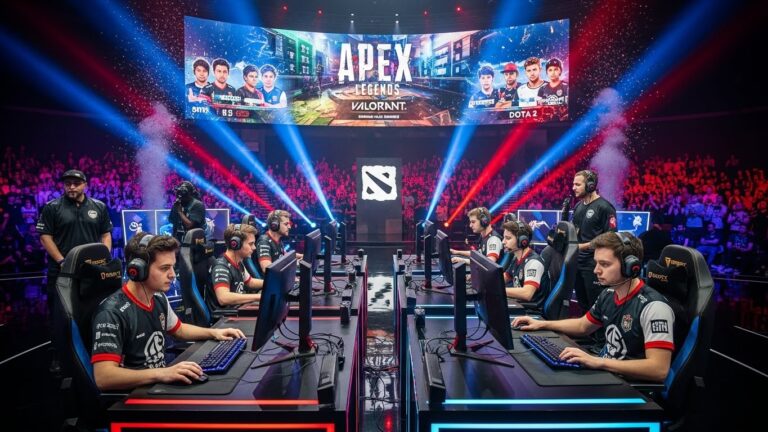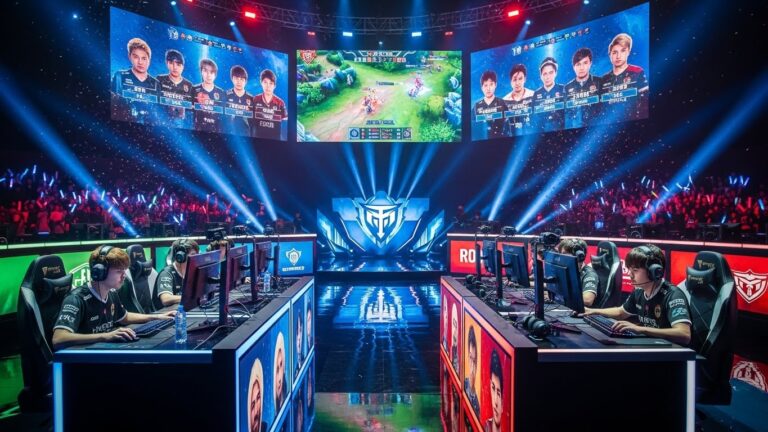
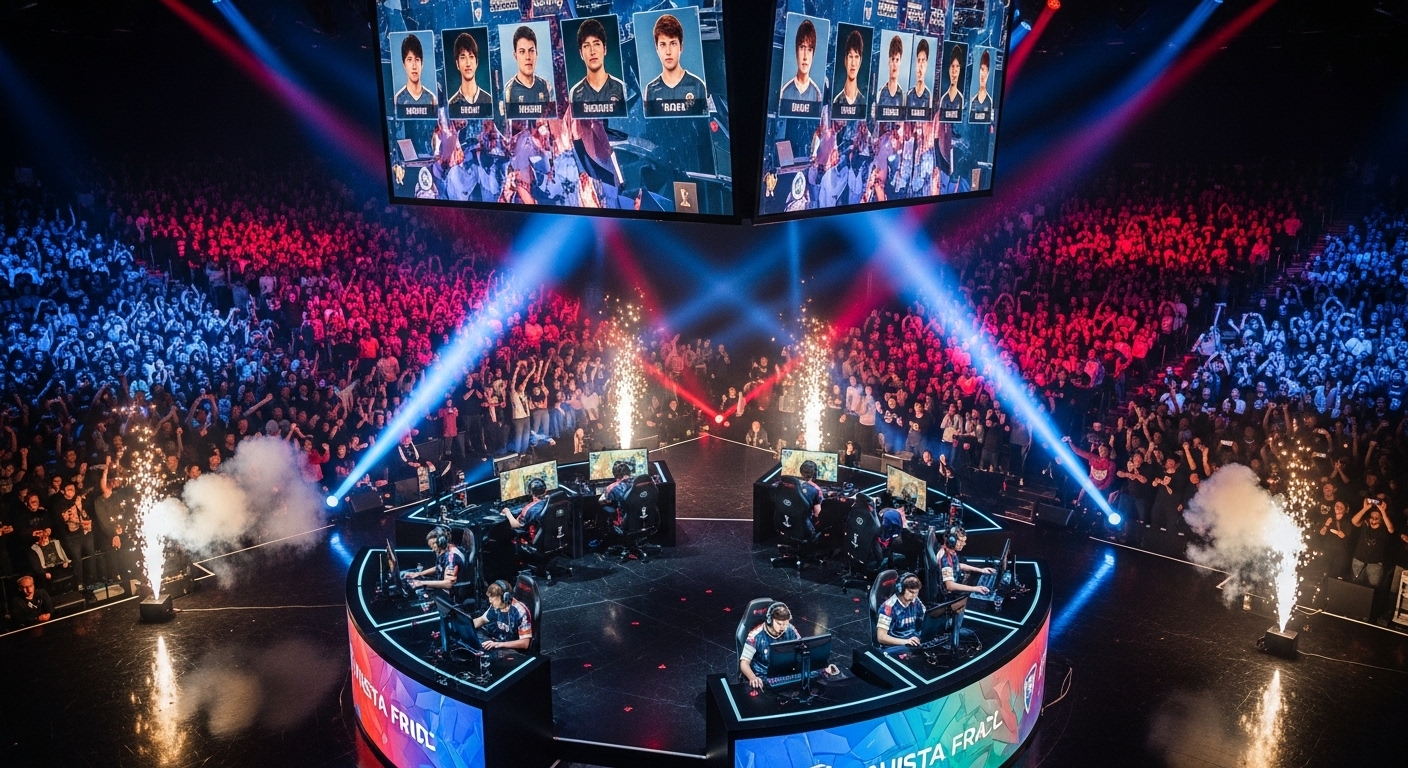
In recent years, the world of esports has seen a remarkable transformation. While traditional esports centered on PC and console games, a new frontier has emerged that is changing the landscape of competitive gaming: mobile esports. The rise of mobile esports reflects the growing power and influence of smartphones, enabling millions of players worldwide to compete anytime, anywhere. This shift has not only expanded the reach of competitive gaming but has also created new opportunities and challenges within the industry.
The Evolution of Mobile Gaming
Mobile gaming has come a long way from its humble beginnings. Initially, mobile games were simple, casual experiences designed for short bursts of entertainment. Early games like Snake and basic puzzle games were limited by the hardware capabilities of feature phones. However, the introduction of smartphones equipped with advanced processors, high-resolution displays, and reliable internet connectivity transformed the mobile gaming ecosystem.
As mobile devices became more powerful, developers began creating more sophisticated games with rich graphics, immersive gameplay, and complex mechanics. Games such as PUBG Mobile, Mobile Legends, and Call of Duty Mobile set new standards, offering competitive experiences that rivaled traditional esports titles. These games attracted a massive player base, many of whom were eager to engage in competitive play.
Why Mobile Esports is Gaining Popularity
One of the primary reasons mobile esports is gaining traction is accessibility. Unlike PC or console gaming, which often requires expensive hardware and peripherals, mobile esports can be played on devices that many people already own. Smartphones are widely available and portable, enabling gamers to play and compete from virtually anywhere.
Additionally, mobile esports caters to a more diverse and global audience. In many regions where PC and console gaming infrastructure is limited, mobile devices have become the main gateway to gaming. This has allowed competitive gaming to thrive in countries across Asia, Africa, and Latin America, where mobile esports tournaments attract millions of viewers and participants.
Another factor driving mobile esports popularity is the social and community aspect. Mobile games often include integrated social features such as team chats, guilds, and friend lists that encourage collaboration and competition. This fosters a strong sense of community and engagement among players, which is essential for the growth of any esports scene.
The Impact of Streaming and Content Creation
Streaming platforms and content creators have played a significant role in popularizing mobile esports. Influential streamers who focus on mobile games attract large audiences, creating hype around tournaments and showcasing high-level gameplay. Their content inspires viewers to pick up their devices and try their hand at competitive mobile gaming.
The rise of mobile esports streaming has also opened new revenue streams for players and organizations. Sponsorship deals, advertising revenue, and fan support through subscriptions and donations contribute to the financial viability of mobile esports as a professional career.
Key Mobile Esports Titles Leading the Charge
Several mobile games have become pillars of the mobile esports ecosystem. Titles like PUBG Mobile have built massive competitive scenes with official tournaments, international leagues, and substantial prize pools. Mobile Legends has cultivated a loyal fanbase and regularly hosts regional championships that draw millions of viewers.
Call of Duty Mobile, with its familiar gameplay mechanics adapted from the popular console franchise, has also made waves in the esports community. Each of these games offers distinct gameplay styles and competitive formats, catering to different player preferences and keeping the scene dynamic.
The Challenges Facing Mobile Esports
Despite its rapid growth, mobile esports faces several challenges. One of the main concerns is device fragmentation. Unlike PC or consoles, where there are standardized hardware specifications, mobile devices vary widely in performance, screen size, and controls. This disparity can impact fairness and the competitive experience.
Another challenge is the perception of mobile games as “casual” or less serious compared to traditional esports. While this stereotype is changing, some in the gaming community still view mobile esports as secondary. Overcoming this bias is important for attracting investment, sponsorship, and mainstream recognition.
Connectivity issues can also affect mobile esports, especially in regions with unstable internet access. Lag and disconnections during crucial moments can be frustrating and undermine the competitive integrity of tournaments.
The Future of Mobile Esports
The future of mobile esports looks bright, with technology and innovation continuing to drive the scene forward. Advances in 5G technology promise faster and more reliable connections, reducing latency and improving gameplay quality. New mobile devices with enhanced processing power and specialized gaming features will further elevate the competitive experience.
As the mobile esports audience grows, organizers are likely to invest more in professional leagues, structured tournaments, and player development programs. We may also see increased collaboration between mobile game developers, esports organizations, and streaming platforms to create immersive and engaging experiences for fans.
Moreover, mobile esports has the potential to bridge the gap between casual and competitive gaming. The convenience of mobile devices combined with robust esports infrastructure may encourage more casual players to step into the competitive arena.
Conclusion
Mobile esports has truly revolutionized the world of competitive gaming by making it more accessible, diverse, and dynamic. The ability to game on the go has expanded esports beyond traditional platforms, bringing millions of new players and fans into the fold. While challenges remain, the continued innovation and growing support from the gaming industry suggest that mobile esports will remain a powerful force for years to come.
The rise of mobile esports is a testament to the evolving nature of gaming itself—where competition, community, and technology intersect in exciting and unprecedented ways. Whether you are a casual gamer or a serious competitor, the mobile esports scene offers something for everyone, making it one of the most thrilling developments in modern gaming.
About the Author