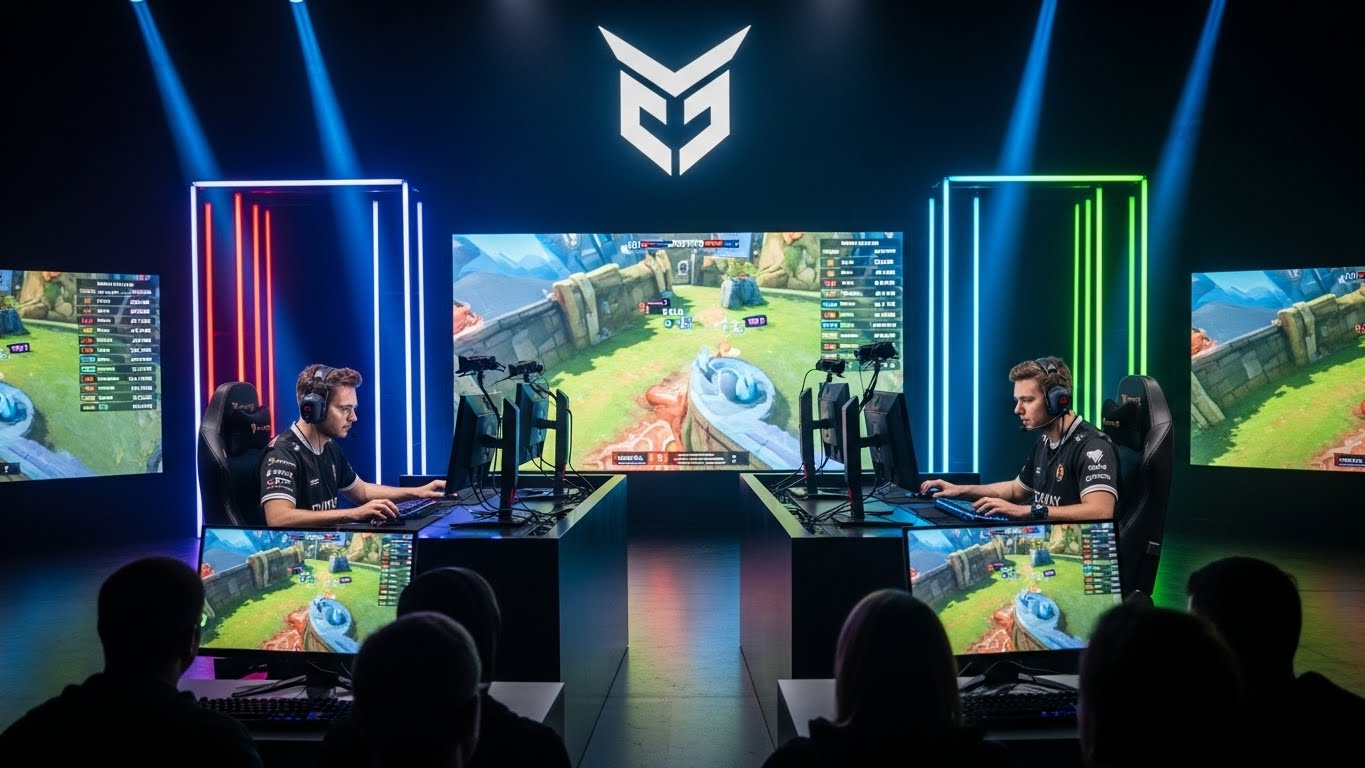
Introduction: A New Era of Competition
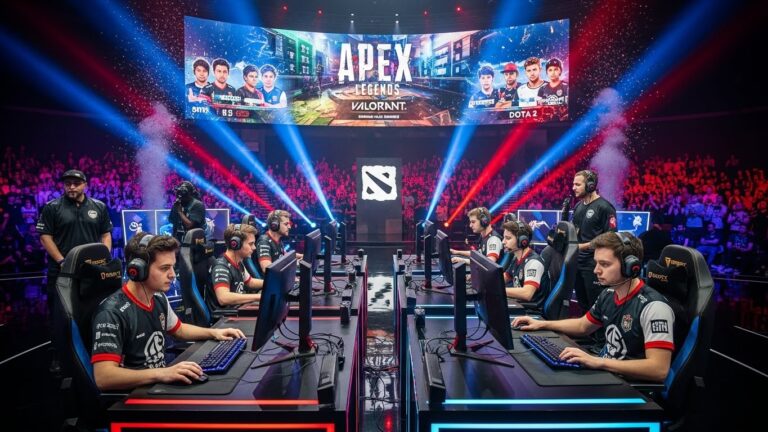
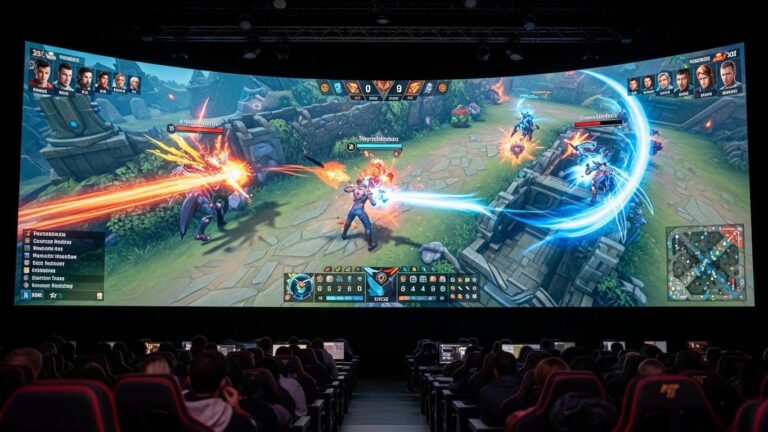
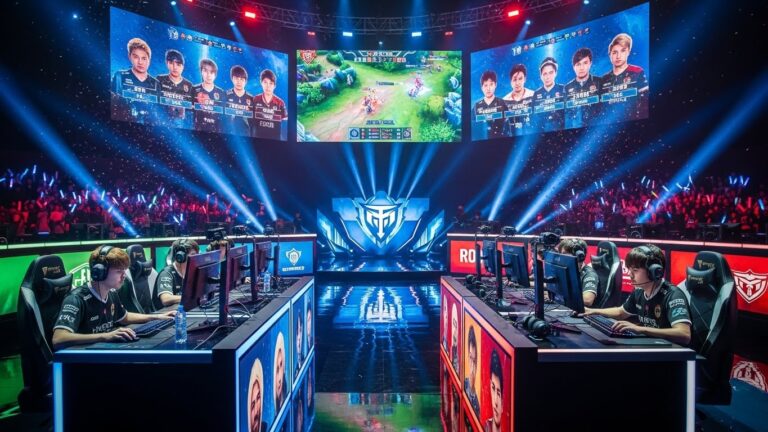
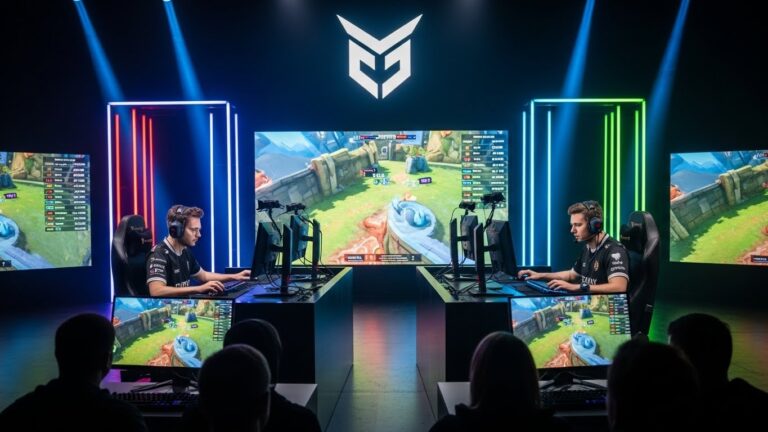
In recent years, the world of gaming has undergone a remarkable transformation. What once was a hobby enjoyed in isolation has evolved into a global phenomenon known as esports. Esports, short for electronic sports, involves competitive video gaming at a professional level. It has grown from small community tournaments into massive events watched by millions of people worldwide. Today, esports is not just a pastime; it is a career path, an entertainment industry, and a cultural movement. This blog explores the rise of esports, the factors contributing to its growth, and how it is redefining competition and entertainment.
The Origins of Esports
Esports has roots that go back decades, even before the term became popular. The earliest forms of competitive gaming emerged in the 1970s and 1980s when arcade games and home consoles became widespread. Competitions were often local, involving small groups of enthusiasts challenging each other in games like Space Invaders and Pac-Man. By the 1990s, the advent of PC gaming and online multiplayer games began to lay the foundation for organized esports. Games like Quake, StarCraft, and Counter-Strike became iconic titles in competitive gaming, attracting players who would later form professional teams.
The Evolution of Esports into a Global Industry
The evolution of esports from niche competitions to a global industry has been rapid. With advancements in internet technology and streaming platforms, competitive gaming reached a much wider audience. Platforms dedicated to live streaming, such as Twitch and YouTube Gaming, allowed fans to watch their favorite players in real-time. Today, esports tournaments rival traditional sports in scale and spectacle. Events like the League of Legends World Championship, The International for Dota 2, and the Overwatch League finals fill arenas, attract sponsorships from major corporations, and generate millions in revenue. Esports has truly become a professional and commercially viable industry.
Popular Esports Titles
Different games dominate different regions and communities, and understanding these titles is key to appreciating the diversity of esports. Multiplayer online battle arena (MOBA) games, such as League of Legends and Dota 2, are immensely popular in Asia and have a massive global following. First-person shooters (FPS) like Counter-Strike: Global Offensive, Call of Duty, and Valorant appeal to fans of fast-paced action and precise skill. Battle royale games like Fortnite and Apex Legends have also gained competitive circuits due to their popularity among younger audiences. Each game has its own unique strategies, player dynamics, and fan cultures, making esports a multi-faceted phenomenon.
The Role of Professional Players
Professional players are at the heart of esports. Much like traditional athletes, esports players dedicate countless hours to mastering their craft. Success in esports requires not only technical skill and reflexes but also strategic thinking, teamwork, and mental resilience. The most successful players often become public figures, with millions of followers on social media and streaming platforms. Professional players sign contracts with esports organizations, earn salaries, receive sponsorships, and compete for prize pools that can reach millions of dollars. Their influence extends beyond the game itself, inspiring a new generation of gamers and shaping trends within the gaming industry.
Esports Organizations and Sponsorships
Esports organizations play a crucial role in structuring competitive gaming. These organizations recruit, train, and manage teams across multiple games. Some of the most prominent organizations include Team Liquid, Fnatic, Cloud9, and T1. Sponsorships are another vital aspect of esports. Companies from diverse industries, including technology, energy drinks, and fashion, invest in esports as a way to reach younger, tech-savvy audiences. These sponsorships provide financial stability for players and organizations while helping brands tap into a vibrant and engaged community.
Streaming and the Community Factor
One of the biggest reasons esports has exploded in popularity is the rise of streaming platforms. Watching a live match or following a streamer’s gameplay allows fans to engage with the community in real-time. Fans can interact through chat, share highlights on social media, and participate in fan-led events. This sense of community has created a cultural ecosystem around esports, making it not only about competition but also about shared experiences and social connection. In many ways, esports bridges the gap between gaming and traditional sports by creating fan loyalty and team allegiance similar to football or basketball.
Economic Impact of Esports
The economic impact of esports is significant and growing. Revenue in the esports industry comes from multiple sources: sponsorships, advertising, ticket sales for live events, merchandise, and media rights. Analysts estimate that the global esports market generates billions of dollars annually, and its growth shows no signs of slowing. Beyond direct revenue, esports also contributes to job creation in areas such as event management, content creation, coaching, marketing, and game development. The ecosystem surrounding esports is extensive, offering opportunities for a variety of professionals outside of the gaming community itself.
Esports as a Career Path
Esports offers a variety of career opportunities beyond being a professional player. Coaches, analysts, shoutcasters, and event organizers are all integral to the esports ecosystem. Moreover, content creators and influencers play a crucial role in promoting games and engaging with fans. Educational institutions are beginning to recognize esports as a legitimate career path, with universities offering scholarships, esports programs, and courses focused on game design, management, and broadcasting. For young gamers, esports presents a pathway where passion and profession can align.
Health and Wellbeing in Esports
While esports offers exciting opportunities, it also presents unique challenges, particularly regarding health and wellbeing. Professional gamers often face long hours of practice and intense competition, which can lead to physical strain, sleep deprivation, and mental stress. To address these concerns, organizations and teams are increasingly emphasizing fitness, mental health support, and structured training schedules. The rise of esports medicine and sports psychology is helping players maintain peak performance while safeguarding their long-term health. Recognizing the human element behind the digital screens is essential for sustainable growth in esports.
The Cultural Impact of Esports
Esports has a profound cultural impact that extends beyond gaming. It has influenced fashion, music, entertainment, and even education. Gaming culture has become mainstream, with esports events being covered by major media outlets and celebrities participating in gaming tournaments. Esports has also created a sense of global community, bringing together players and fans from diverse backgrounds and cultures. This cultural integration has helped redefine the perception of gaming from a solitary hobby to a legitimate form of entertainment and competition.
Challenges Facing the Esports Industry
Despite its growth, esports faces several challenges. Issues such as cheating, match-fixing, and doping have occasionally marred the industry. Additionally, sustaining long-term careers for players can be difficult due to the fast-paced nature of games and the physical and mental demands on players. The industry also needs standardized regulations and governance structures to ensure fairness, safety, and integrity. Addressing these challenges is crucial for maintaining credibility and ensuring esports continues to thrive as a respected and professional industry.
The Future of Esports
The future of esports looks promising, with technology and innovation paving the way for new opportunities. Virtual reality (VR) and augmented reality (AR) could redefine gameplay and spectator experiences, making esports even more immersive. Mobile esports is also growing rapidly, particularly in regions where mobile gaming dominates. As esports becomes more mainstream, it may be integrated into larger entertainment platforms, including television networks and streaming services, further blurring the lines between traditional sports and digital competition. The next decade promises exciting developments that could elevate esports to unprecedented heights.
Conclusion: Esports as a Cultural Revolution
Esports has emerged as a transformative force in the world of entertainment. From humble beginnings in local arcades to massive global tournaments, competitive gaming has grown into a professional, cultural, and economic powerhouse. It has created new career paths, connected communities worldwide, and challenged traditional notions of sports and competition. As technology continues to evolve and audiences expand, esports is poised to shape the future of entertainment in ways we are only beginning to imagine. For players, fans, and investors alike, the rise of esports represents not just a trend but a cultural revolution that is here to stay.
About the Author