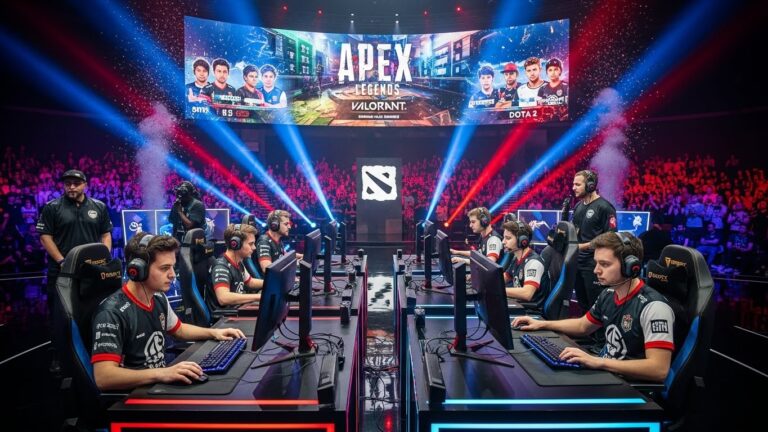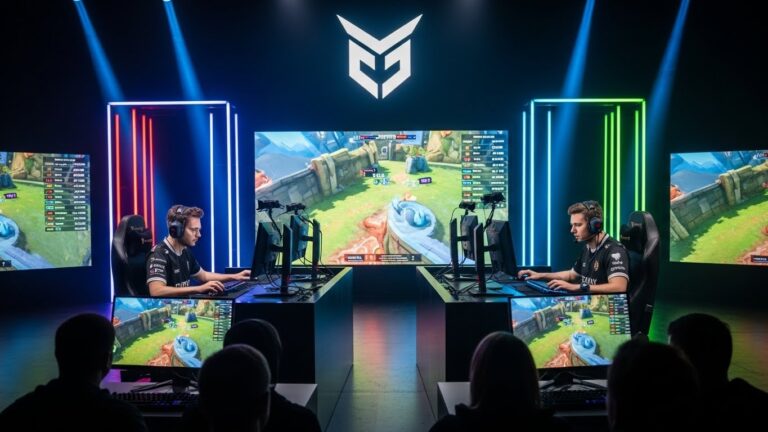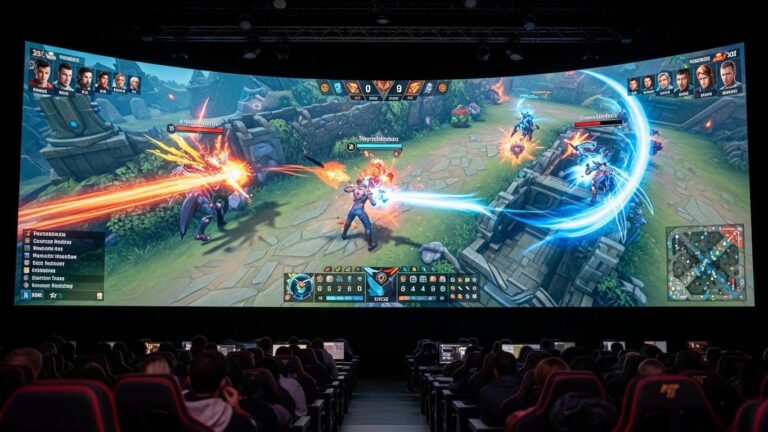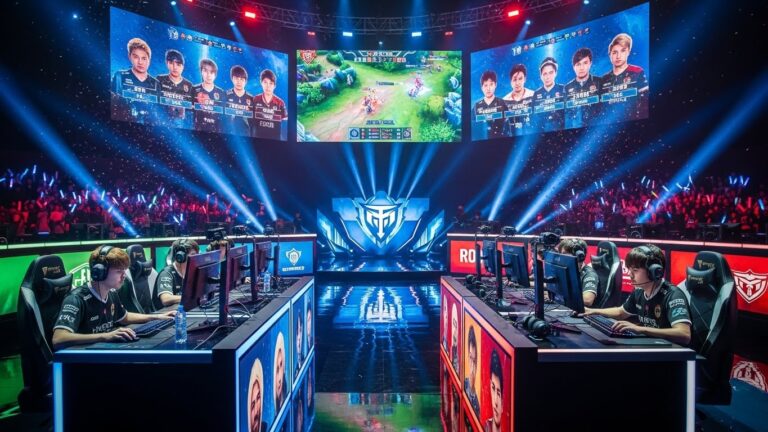
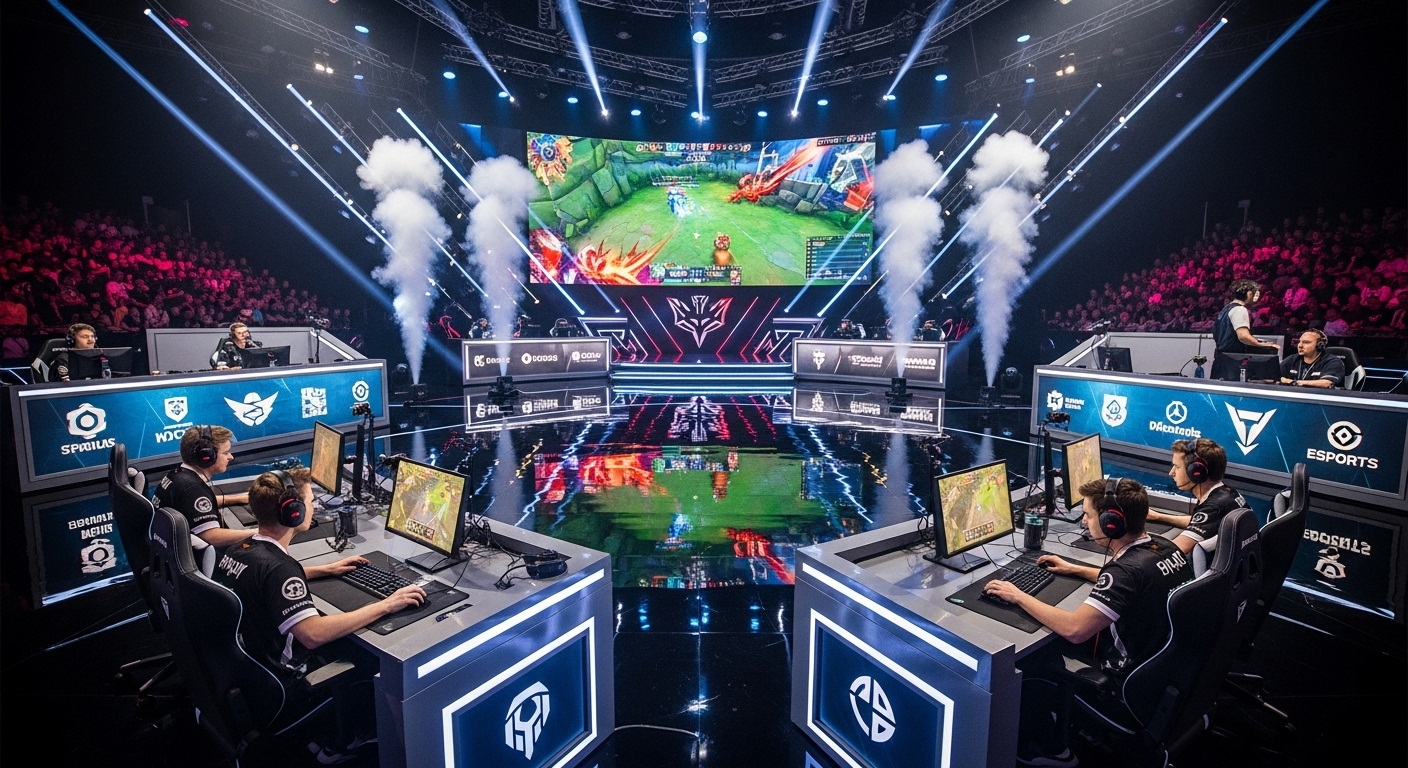
Esports, or electronic sports, has transformed from a casual gaming pastime into a multi-billion-dollar global industry. What started as small competitions among friends has now evolved into professional leagues, packed arenas, massive online audiences, and lucrative sponsorship deals. The growth of esports is a fascinating story that reflects how technology, culture, and entertainment have converged in the digital age.
Early Beginnings of Competitive Gaming
Competitive gaming is not a modern invention. In fact, the first known video game competition took place in 1972 at Stanford University, where students competed in the game “Spacewar.” While primitive by today’s standards, these early competitions planted the seeds for organized competitive gaming. The 1980s saw arcade tournaments gain popularity, with companies like Atari sponsoring national events and offering cash prizes. One notable event was the “Space Invaders Championship” in 1980, which attracted thousands of participants and highlighted the potential for large-scale gaming competitions.
These early tournaments were primarily localized and limited by the technology of the time. Players often needed to be physically present to compete, and media coverage was minimal. Despite these limitations, the competitive spirit of gaming communities was evident, and the foundation for modern esports was being laid.
The Internet Revolution and Online Gaming
The 1990s brought a major turning point for competitive gaming: the rise of the internet. Online multiplayer games like Doom, Quake, and StarCraft enabled players from different regions to compete against each other without leaving their homes. This era marked the beginning of organized online competitions and the establishment of online gaming communities. LAN (Local Area Network) tournaments also became popular, allowing players to connect multiple computers in a single location to compete at higher speeds and with minimal lag.
The internet not only expanded the reach of gaming competitions but also created opportunities for new types of esports. Online forums and communities helped players share strategies, discuss tactics, and build rivalries, which in turn fostered a sense of community and competition on a global scale.
Professionalization of Esports
The early 2000s marked the professionalization of esports. Games like Counter-Strike, Warcraft III, and StarCraft: Brood War saw the emergence of professional teams, organized leagues, and sponsorship deals. South Korea, in particular, became a hub for professional esports, with the country investing in gaming infrastructure and broadcasting competitions on television. This professional approach gave legitimacy to esports and laid the groundwork for today’s multi-million-dollar tournaments.
Professional esports teams operate similarly to traditional sports teams. They hire coaches, analysts, and managers to improve player performance, scout talent, and manage logistics. Players often dedicate multiple hours a day to training, strategy development, and physical fitness, highlighting the level of commitment required to compete at the highest level.
Major Esports Titles and Genres
Esports is not limited to one type of game. Various genres have developed dedicated competitive scenes, each with unique fan bases and tournament structures. Some of the most popular esports genres include:
Multiplayer Online Battle Arenas (MOBAs)
Games like League of Legends and Dota 2 dominate the MOBA scene. These games require teamwork, strategy, and mechanical skill. Professional MOBA competitions, such as the League of Legends World Championship, draw millions of viewers worldwide and offer multi-million-dollar prize pools.
First-Person Shooters (FPS)
FPS games like Counter-Strike: Global Offensive, Call of Duty, and Overwatch emphasize accuracy, reflexes, and tactical teamwork. FPS tournaments often feature intense matches and fast-paced gameplay that keeps audiences on the edge of their seats.
Real-Time Strategy (RTS)
Although less dominant today, RTS games like StarCraft II have a rich esports history. These games demand strategic thinking, resource management, and split-second decision-making. RTS competitions were especially popular in the early 2000s and helped shape the professional esports ecosystem.
Fighting Games
Fighting games such as Street Fighter, Tekken, and Super Smash Bros. have thriving competitive communities. Tournaments often feature one-on-one matches where players must anticipate their opponent’s moves and execute precise combos to succeed.
Sports Simulations
Games like FIFA and NBA 2K replicate traditional sports in a digital format. These games attract both traditional sports fans and gamers, bridging the gap between physical and virtual competition.
Esports Events and Tournaments
Esports tournaments are a cornerstone of the industry, showcasing top-tier talent and attracting massive audiences. Major tournaments are often broadcast live on streaming platforms, with commentary, analysis, and fan interactions enhancing the viewing experience. Some of the most prestigious events include The International for Dota 2, the League of Legends World Championship, and the Fortnite World Cup.
These tournaments have transformed esports into a spectator sport. Fans follow their favorite teams and players, engage in online discussions, and even travel to live events to experience the thrill firsthand. The atmosphere at these events is similar to traditional sports, complete with cheering crowds, elaborate stage setups, and intense competition.
The Role of Streaming Platforms
Streaming platforms like Twitch, YouTube Gaming, and Facebook Gaming have revolutionized how fans consume esports content. These platforms allow players to broadcast their gameplay live, interact with audiences, and build personal brands. Streaming has also created opportunities for amateur players to gain recognition and attract sponsorships.
The rise of streaming has democratized esports, making it accessible to a global audience. Fans no longer need to attend live events to watch competitions, and players from remote regions can showcase their skills to the world.
Esports and Sponsorship
Sponsorship is a critical component of the esports ecosystem. Companies recognize the marketing potential of reaching a young, tech-savvy audience. Major brands sponsor teams, tournaments, and individual players, providing financial support and promotional opportunities.
Sponsorship deals often include product placements, branded content, and social media campaigns. This symbiotic relationship benefits both the esports industry and sponsors, helping the industry grow while providing companies with direct access to a highly engaged audience.
Challenges Facing Esports
Despite its rapid growth, esports faces several challenges. Player burnout is a significant concern, as professional gamers often train for 10 to 12 hours a day under intense pressure. Mental health issues, including stress and anxiety, are common in the competitive scene.
Another challenge is maintaining integrity and fairness. Cheating, match-fixing, and toxic behavior can undermine the credibility of esports. Organizations and developers are continually implementing measures to prevent these issues, including anti-cheat software, player codes of conduct, and tournament regulations.
Additionally, the esports industry must navigate complex legal and financial landscapes. Intellectual property rights, contract disputes, and international regulations can create hurdles for players, teams, and organizers.
The Global Impact of Esports
Esports is more than just a form of entertainment; it has cultural, economic, and social implications. Economically, esports contributes billions of dollars annually through sponsorships, merchandise, media rights, and ticket sales. Culturally, it has fostered diverse communities that transcend geographic and linguistic barriers. Socially, esports promotes teamwork, strategic thinking, and technological literacy among participants and fans alike.
The rise of esports has also influenced traditional sports. Professional athletes collaborate with gamers, sports leagues invest in esports franchises, and universities offer esports scholarships. This convergence of traditional and digital sports highlights the evolving nature of competition in the 21st century.
The Future of Esports
The future of esports looks promising, with continued growth expected in audience size, revenue, and global reach. Emerging technologies such as virtual reality, augmented reality, and artificial intelligence could further enhance the esports experience. VR and AR may allow fans to immerse themselves in competitions, while AI-driven analytics could help players refine strategies and improve performance.
Esports may also become more integrated into mainstream culture. With potential inclusion in multi-sport events and expanded educational programs, esports could achieve the same level of recognition and respect as traditional sports.
Conclusion
Esports has come a long way from its humble beginnings as a niche hobby. Today, it is a thriving global industry that captivates millions of fans, supports professional careers, and drives technological innovation. The combination of competitive gaming, entertainment, and community engagement has created a unique cultural phenomenon that continues to evolve.
As esports grows, it will likely redefine the boundaries of sports, entertainment, and digital culture. Whether you are a casual gamer, a professional player, or a passionate fan, esports offers something for everyone—a testament to the power of competition in the digital age.
About the Author