Introduction: A Digital Revolution in Gaming
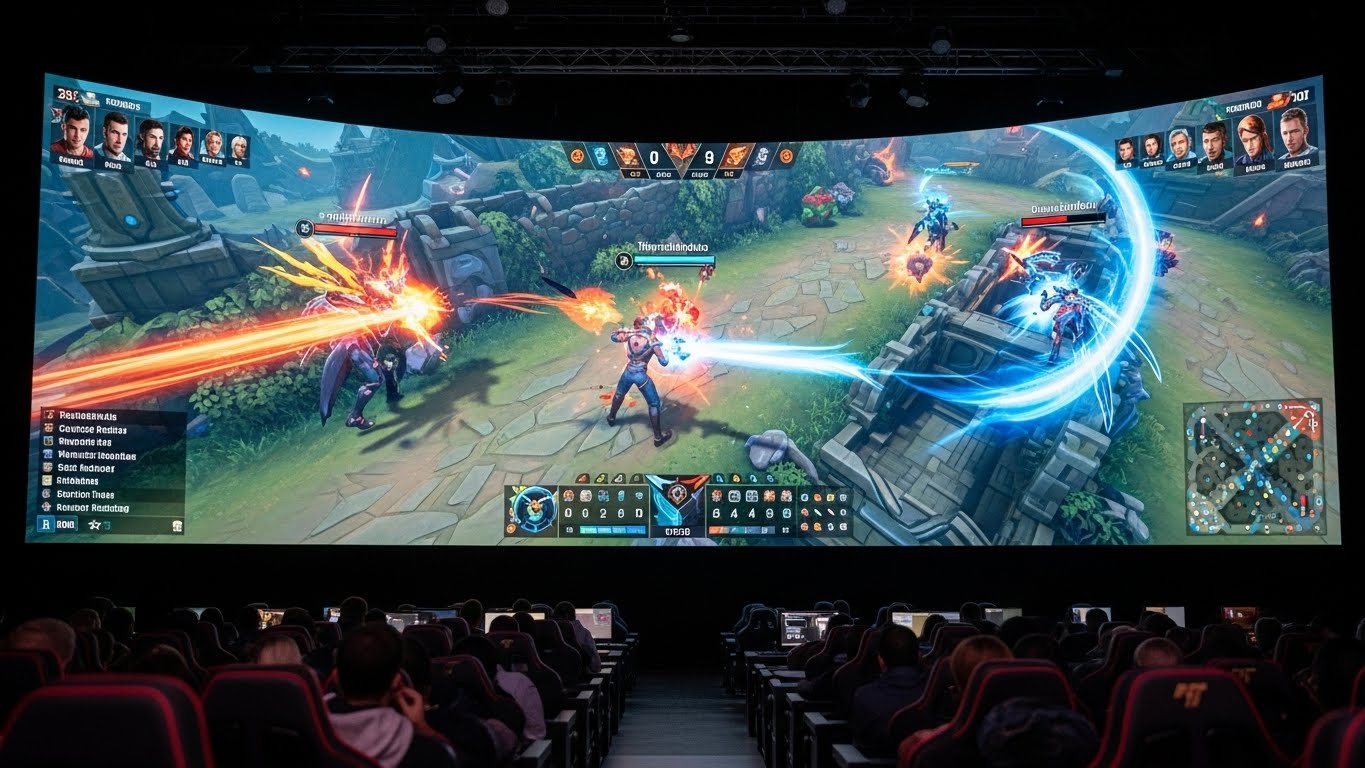
The world of competitive gaming has transformed dramatically over the past decade. What once began as casual video game competitions among friends has now evolved into a global phenomenon known as esports. Short for electronic sports, esports represents organized, competitive video gaming where professional players face off in front of millions of viewers. Unlike traditional sports, esports exists entirely within digital realms, yet its impact is undeniable. With millions of fans, massive prize pools, and professional players earning celebrity status, esports has firmly cemented itself as a cultural and economic powerhouse.
The Origins of Esports: From Arcades to Online Arenas
Esports is not a product of the internet age alone; its roots stretch back several decades. In the late 1970s and early 1980s, arcade competitions began attracting attention, with games like Space Invaders and Pac-Man leading the charge. Early tournaments often took place in arcades, college campuses, or local community centers, primarily among small groups of enthusiasts. The 1990s brought the rise of PC gaming and the internet, paving the way for larger-scale competitions. Games like StarCraft in South Korea transformed the gaming landscape, turning competitive gaming into a mainstream phenomenon. South Korea became the epicenter of professional gaming, where players were trained rigorously, and esports was recognized as a legitimate career path.
The Explosion of Esports Popularity
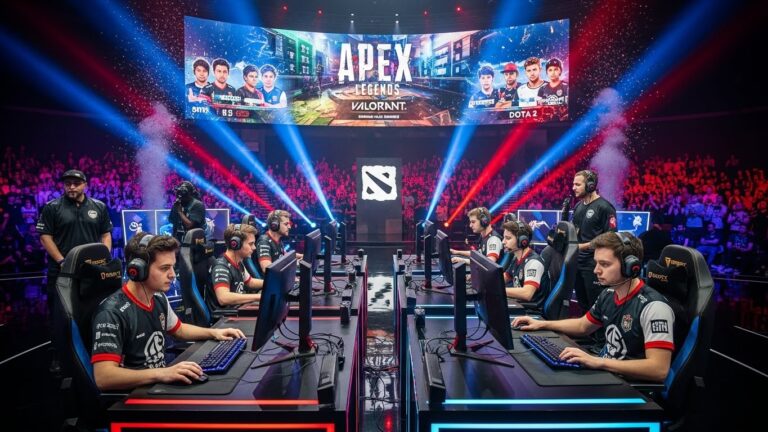
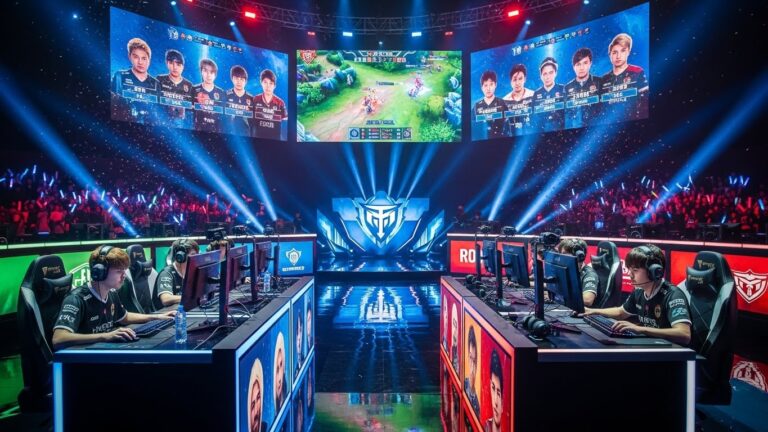
The 2010s marked the global explosion of esports. Online streaming platforms revolutionized the way audiences consumed games. Platforms such as Twitch and YouTube allowed millions to watch professional gamers in real-time, creating a new breed of digital celebrity. Major tournaments for games like League of Legends, Dota 2, and Counter-Strike: Global Offensive attracted viewership comparable to traditional sports finals. For instance, The International Dota 2 Championship has boasted prize pools exceeding tens of millions of dollars, rivaling earnings in traditional sports. This surge in popularity also drew corporate sponsorships, endorsements, and professional team organizations, further solidifying esports as a multi-billion-dollar industry.
Understanding the Esports Ecosystem
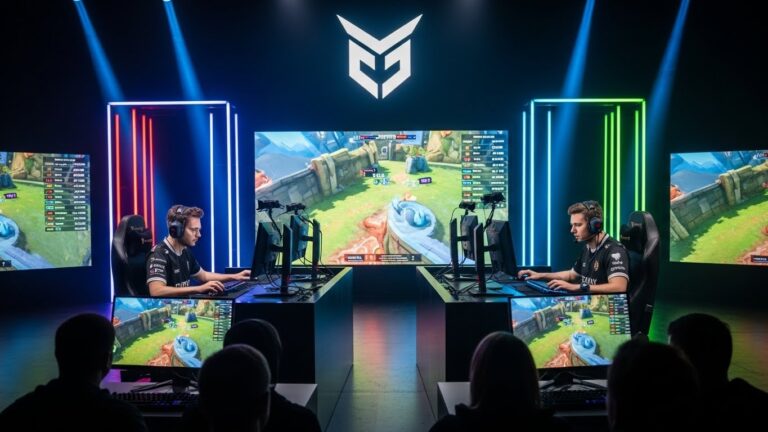
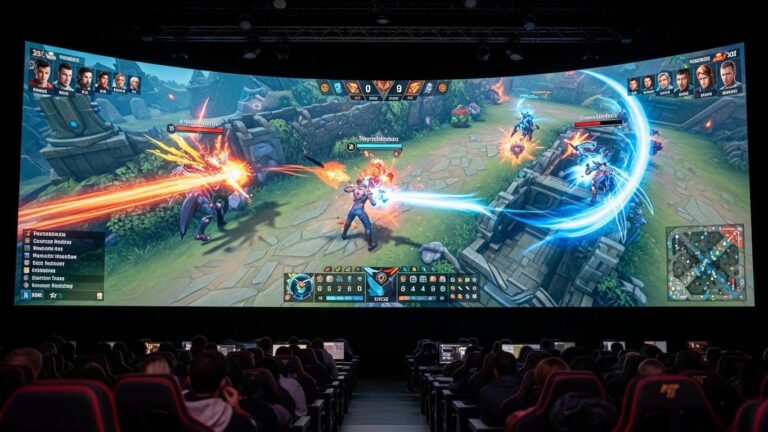
Esports is not a monolithic industry; it encompasses a wide variety of games, formats, and stakeholders. Competitive games are generally classified into categories such as first-person shooters, multiplayer online battle arenas, sports simulations, and real-time strategy games. Each game requires a unique set of skills, from hand-eye coordination and reflexes to strategic thinking and teamwork. Professional teams function much like traditional sports franchises, complete with managers, coaches, analysts, and support staff. Beyond players, the ecosystem includes event organizers, sponsors, broadcasters, and content creators who contribute to the vibrant community. The collaborative interplay among these stakeholders ensures that esports thrives not just as a competitive spectacle but also as a robust entertainment industry.
The Economics of Esports: A Booming Industry
Esports has grown into a multi-billion-dollar industry with diverse revenue streams. Ticket sales, merchandise, advertising, sponsorships, and media rights all contribute to its economic success. Major tournaments often fill arenas with tens of thousands of spectators, while online streams reach millions more. Sponsorship deals with tech companies, gaming brands, and even traditional non-gaming corporations highlight the mainstream appeal of esports. Player salaries have also skyrocketed, with top-tier gamers earning incomes comparable to professional athletes. Furthermore, esports betting and fantasy leagues are emerging markets, adding yet another layer to the industry’s economic complexity. The financial opportunities demonstrate that esports is no longer a niche hobby but a lucrative career and business ecosystem.
Training and Discipline: The Life of a Professional Gamer
Behind the glitz and glamour of esports lies a world of intense training and discipline. Professional gamers often practice for six to ten hours a day, honing their reflexes, communication skills, and game strategies. Physical fitness, mental health, and nutrition are also integral to a player’s performance, much like in traditional sports. Teams employ coaches to analyze gameplay, develop strategies, and improve team dynamics. Success in esports demands not only technical skill but also mental resilience, as players face immense pressure in high-stakes competitions. The rigorous lifestyle challenges the stereotype of gamers as casual hobbyists, showcasing their dedication and professionalism.
The Cultural Impact of Esports
Esports has reshaped modern entertainment and culture. It has created new social spaces where fans interact, share experiences, and form communities. Online forums, streaming platforms, and live events foster global connections, bridging gaps across languages and cultures. Additionally, esports has influenced traditional media, with networks covering tournaments and celebrities endorsing games. Schools and universities are even offering esports scholarships, further legitimizing it as a career path. Beyond entertainment, esports has sparked discussions about digital literacy, mental health, and technology’s role in society, highlighting its broader cultural significance.
Challenges Facing the Esports Industry
Despite its meteoric rise, esports faces several challenges. Player burnout, mental health issues, and toxic behavior in gaming communities remain pressing concerns. The lack of standardized regulations across tournaments can lead to inconsistencies in competition and prize allocation. Additionally, gender disparity persists, with female gamers often underrepresented in professional esports. Economic reliance on sponsorships and fluctuating viewership can make career stability uncertain. Addressing these challenges is crucial to ensuring the long-term sustainability and credibility of the esports industry.
The Future of Esports: Opportunities and Innovations
The future of esports is brimming with potential. Advancements in virtual reality, augmented reality, and artificial intelligence promise to redefine gaming experiences and competition formats. Mobile gaming is emerging as a dominant force, broadening accessibility and attracting diverse audiences. Esports integration with mainstream sports, media, and entertainment sectors indicates a future where digital and physical competitions coexist seamlessly. Educational initiatives and grassroots programs will likely nurture the next generation of esports talent, expanding the professional pool. As technology continues to evolve, esports is poised to remain at the forefront of entertainment and innovation.
Conclusion: Esports as a Global Phenomenon
Esports has evolved from modest beginnings to become a global cultural and economic force. Its appeal lies not only in the thrill of competition but also in its ability to connect people across borders and generations. With professional structures, massive audiences, and financial opportunities, esports mirrors traditional sports while carving out a unique digital identity. The industry’s growth, challenges, and innovations reflect broader trends in technology, entertainment, and society. Whether as a spectator, player, or entrepreneur, esports offers a glimpse into the future of competitive entertainment and the digital landscape at large. Its journey from arcades to international arenas is a testament to the power of games, community, and human ingenuity.
About the Author