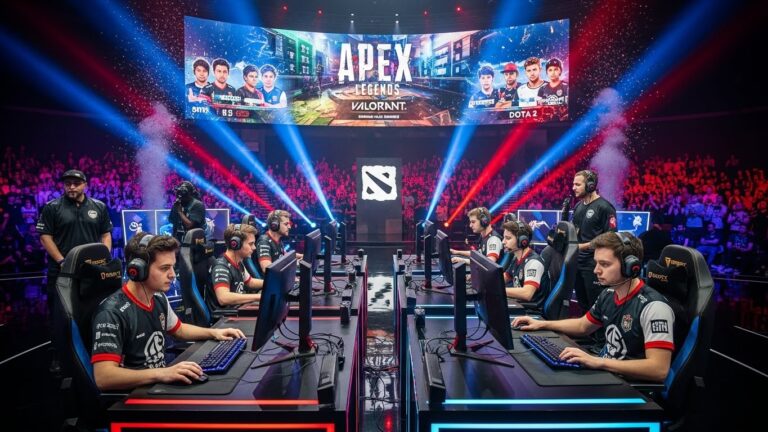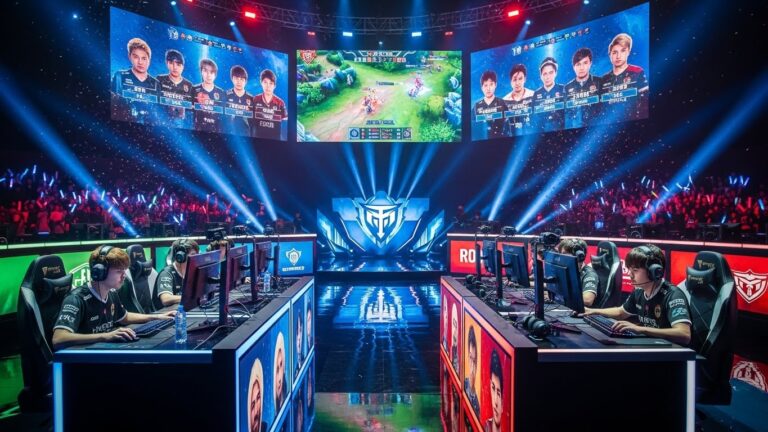
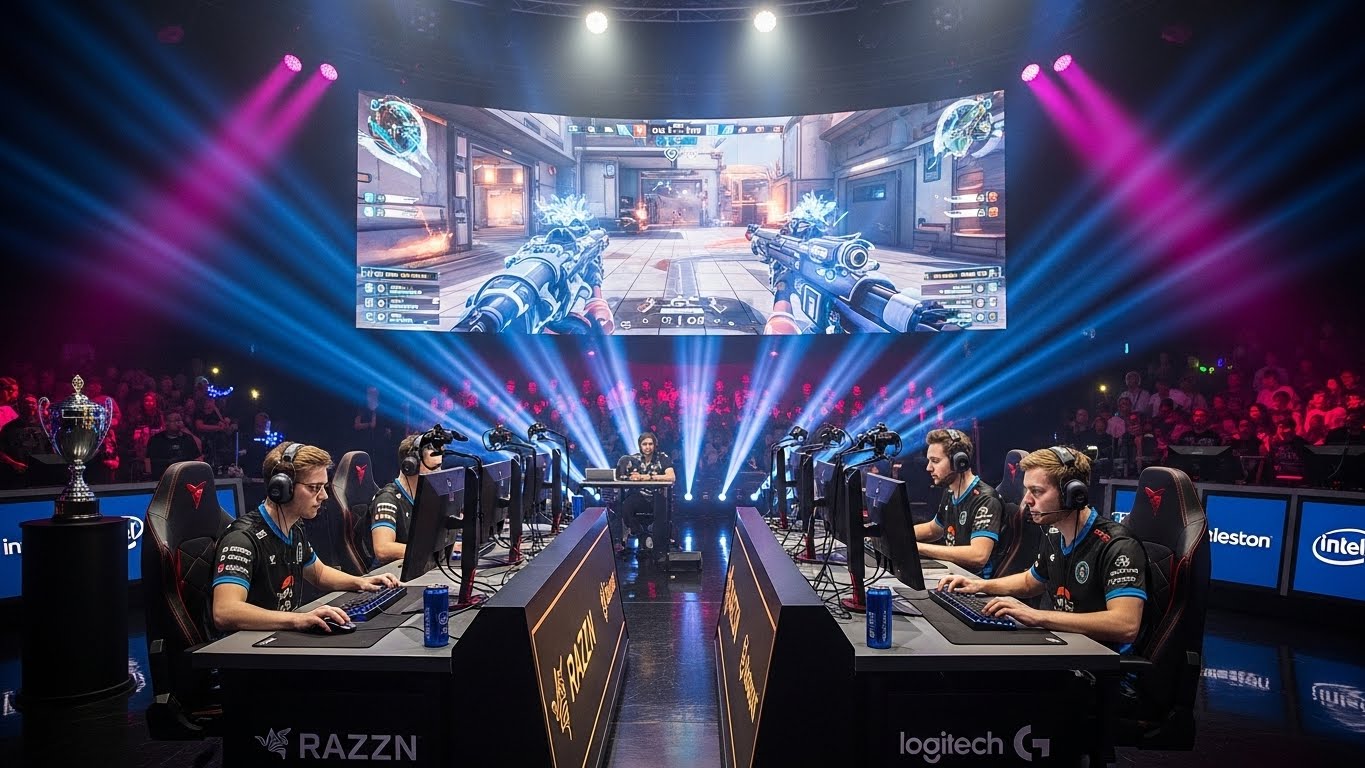
Esports, or electronic sports, has grown from a niche hobby into a global phenomenon, shaping the way we view competition and entertainment. As traditional sports have long dominated the world of competitive gaming, the virtual arena is now emerging as a legitimate contender, bringing together players, fans, and sponsors in ways that were once thought unimaginable. What started with small, local tournaments has exploded into massive international leagues, with millions of dollars in prize money, sponsorships, and a global audience that transcends geographical boundaries. In this post, we’ll explore the history of esports, its impact on culture, the technology behind it, and the future of this ever-expanding industry.
The Origins of Esports
Esports may seem like a recent phenomenon, but its roots can be traced back to the early 1970s. One of the first recorded competitive video game tournaments took place in 1972 at Stanford University. The event, known as the “Intergalactic Spacewar Olympics,” centered around the game Spacewar! — a simple but revolutionary arcade game. The winner received a year’s subscription to Rolling Stone magazine, which, although modest by today’s standards, marked the start of competitive gaming.
Throughout the 1980s and 1990s, competitive gaming gradually gained traction, but it wasn’t until the late 1990s and early 2000s that esports really began to take off. Games like StarCraft and Warcraft helped pave the way, especially in countries like South Korea, where esports became a cultural phenomenon. The creation of dedicated gaming channels and tournaments such as World Cyber Games (WCG) in 2000 helped establish esports as a professional pursuit.
The Growth of Esports Leagues
By the mid-2000s, esports began to take on a more formal structure, with organizations creating professional teams and the advent of large-scale tournaments. The introduction of games like League of Legends, Dota 2, and Counter-Strike brought with them a new era of competitive play. In 2011, the League of Legends World Championship was held for the first time, and it would eventually grow into one of the largest esports events in the world.
The creation of major esports leagues such as the Overwatch League (OWL) in 2018 and the Call of Duty League (CDL) further bolstered the legitimacy of esports. These leagues operate much like traditional sports leagues, with professional teams, franchise systems, and regular seasons leading to playoffs and finals.
Over the years, esports tournaments have expanded from a few hundred viewers to millions, with the Dota 2 International reaching over 10 million concurrent viewers during its 2018 final. Prize pools for these tournaments have ballooned as well. The Dota 2 International consistently offers some of the largest prize pools in the industry, often surpassing $30 million, with contributions from players themselves via in-game purchases.
The Global Esports Ecosystem
Today, esports is a thriving global industry with a multi-faceted ecosystem. Players, coaches, analysts, content creators, casters, and event organizers all contribute to the expansive world of esports. Teams now operate with professional staff, including psychologists, nutritionists, and strategists, to ensure that players are at the top of their game.
Professional Teams and Organizations
The rise of esports has led to the formation of large, globally recognized esports organizations, such as Team Liquid, Fnatic, Cloud9, and G2 Esports. These teams recruit top-tier players from around the world, sometimes offering million-dollar contracts, brand sponsorships, and housing to their players. Esports organizations are also expanding into other entertainment areas, with many now managing content creation and influencer marketing.
Sponsorship and Media Rights
As the audience for esports continues to grow, so too do the sponsorship and broadcasting deals. Global brands like Coca-Cola, Intel, and Red Bull have invested heavily in the esports sector, recognizing its potential for reaching younger, tech-savvy consumers. Media rights have also become a major part of the esports business, with platforms like Twitch, YouTube Gaming, and Facebook Gaming offering exclusive broadcasting deals for top-tier tournaments and leagues.
Streaming Platforms
One of the key driving forces behind the rise of esports has been the rise of live streaming platforms. Twitch, the leading platform for game streaming, has become the de facto home for esports fans. Players and organizations alike have taken advantage of these platforms to build massive fan bases, often with millions of followers. The interaction between streamers and viewers — through live chats, donations, and subscriptions — fosters a sense of community that traditional sports have struggled to replicate in the digital age.
Esports and its Impact on Traditional Sports
While esports has undoubtedly transformed the landscape of competition, it has also had a profound impact on traditional sports. The parallels between esports and traditional sports are becoming more evident with each passing year. Both require high levels of skill, strategy, and teamwork, and the competitive scenes are being marketed to an increasingly global fanbase.
Many traditional sports leagues have begun to recognize the growing popularity of esports, leading to collaborations and investments. The NBA has launched the NBA 2K League, a professional esports league built around the NBA 2K video game. Similarly, FIFA has introduced esports tournaments based around its FIFA video game series, tapping into the massive soccer fanbase worldwide.
In fact, the relationship between esports and traditional sports goes beyond just sponsorships and investments. In certain instances, esports has become a training ground for athletes in traditional sports, particularly in fields such as cognitive skills, reflexes, and hand-eye coordination.
The Technological Backdrop of Esports
At the heart of esports lies technology. Advances in gaming hardware, software, and networking have allowed the esports industry to flourish. High-performance PCs, gaming peripherals, and specialized streaming setups are crucial for top-tier gameplay and broadcasting.
Hardware and Gaming Platforms
The power and quality of gaming PCs and consoles have played a crucial role in the evolution of esports. As game developers continue to push the boundaries of visual fidelity and real-time interaction, players require high-end gear to remain competitive. Professional esports athletes typically use cutting-edge equipment to gain an edge over their competition, and hardware manufacturers like Alienware, ASUS, and Razer have emerged as major players in the esports market.
Game Development and Balance
Developers play a key role in maintaining the integrity and competitiveness of esports titles. The balance of a game can make or break its competitive viability, which is why developers regularly release patches to adjust characters, weapons, and game modes to ensure fairness. Games like League of Legends and Dota 2 feature constant updates that maintain the competitive balance and keep the esports scene fresh.
The Role of Data and Analytics
Another key technological element in modern esports is the use of data and analytics. Esports teams now employ analysts who use in-depth data to break down opponents’ strategies, track individual player performance, and predict outcomes. This data-driven approach is similar to the way analytics are used in traditional sports like baseball or basketball, where statistical models are applied to enhance team strategies.
The Future of Esports
As esports continues to evolve, its future looks bright, with numerous opportunities for growth and development. With increasing investment from both the gaming industry and traditional sports organizations, esports is poised to become even more mainstream.
Esports as a Spectator Sport
The way people consume esports will continue to evolve. We’ve already seen esports being included in major events like the Asian Games, and there’s even talk of esports making its way into the Olympics. While these discussions are still in the early stages, it’s clear that esports has a long-term future as a legitimate spectator sport, alongside traditional forms of entertainment like football or basketball.
Esports and Education
Another growing trend in esports is the integration of gaming into education. High schools and universities around the world are offering esports programs, scholarships, and even academic degrees in esports management. These programs provide students with opportunities to pursue careers in gaming, whether as professional players, coaches, analysts, or event organizers.
Esports in Virtual Reality (VR) and Augmented Reality (AR)
As VR and AR technologies continue to mature, there’s potential for a new wave of esports experiences. Imagine watching a League of Legends match through VR goggles or participating in a live Counter-Strike tournament in an immersive AR setting. The possibilities for esports in virtual environments are endless, and as hardware becomes more accessible, this could reshape the competitive gaming landscape entirely.
Conclusion
Esports has come a long way from its humble beginnings as a small gathering of video game enthusiasts. Today, it’s a global industry that brings together millions of fans, players, sponsors, and content creators from around the world. As esports continues to grow, its impact on culture, technology, and entertainment will only increase. Whether you’re a casual viewer or an aspiring professional, the world of esports offers endless opportunities for excitement, skill development, and community. The future of esports is indeed bright, and the best is yet to come.
About the Author