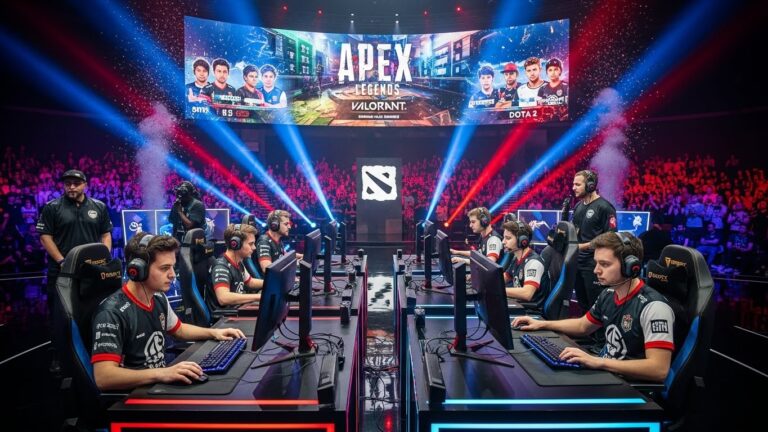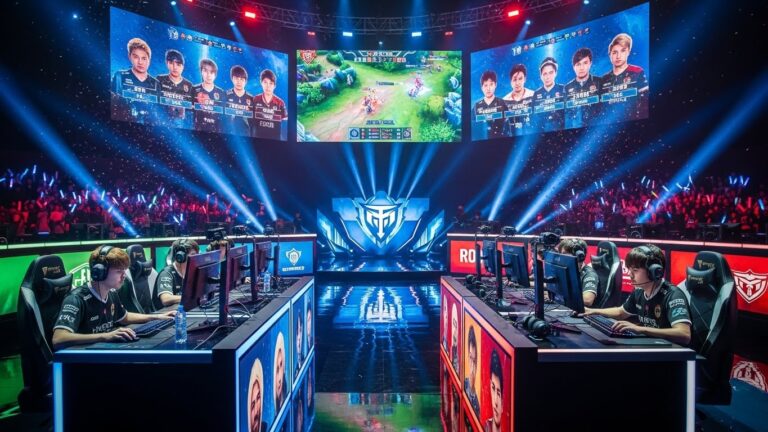

Over the past two decades, the world of gaming has undergone a massive transformation. What was once considered a niche hobby has evolved into a global phenomenon, with esports leading the charge. Esports, or electronic sports, refers to organized, multiplayer video game competitions, particularly between professional players, individually or as teams. This rapidly growing industry has transcended the boundaries of gaming, becoming a mainstream cultural and economic powerhouse. From grassroots tournaments to massive international events like the League of Legends World Championship or The International in Dota 2, esports has emerged as a new era of competitive sports.
In this blog, we will explore the rise of esports, its impact on culture, the economic opportunities it creates, and the factors contributing to its unprecedented success.
The Origins of Esports
The origins of esports can be traced back to the early days of gaming. In the 1970s, video games like Pong and Space Invaders were creating a buzz in arcades, and players began to compete for high scores. The first major competitive gaming event, the Intergalactic Spacewar Olympics, was held in 1972, where players competed in Spacewar, one of the earliest video games. Although the event was relatively small, it was a significant step in the evolution of esports.
As technology advanced and the internet became more accessible, multiplayer gaming exploded in popularity. The late 1990s and early 2000s saw the rise of iconic games like StarCraft, Quake, and Counter-Strike. These games became the foundation of what we know today as competitive esports, with early tournaments drawing regional and international attention.
In the early 2000s, South Korea became the epicenter of esports, particularly with the rise of StarCraft. The country established professional gaming leagues, broadcasting tournaments on television and drawing millions of viewers. As the internet became more widespread and high-speed connections improved, esports continued to grow globally, with major competitions moving online and offering significant cash prizes.
Esports as a Global Industry
Today, esports is a multi-billion-dollar industry with a global audience. According to recent estimates, the global esports market is expected to surpass $1.5 billion in revenue by 2025, driven by sponsorship deals, advertising, media rights, merchandise sales, and ticket sales for live events. The professionalization of esports has also led to the rise of esports organizations and teams, many of which operate like traditional sports teams, with players under contract, coaches, managers, and analysts.
In addition to the growing number of esports tournaments, major media platforms like YouTube, Twitch, and Facebook have played a pivotal role in the expansion of the industry. These platforms allow gamers to broadcast their gameplay to millions of viewers worldwide. Streaming has become a massive part of the esports ecosystem, with professional players, streamers, and content creators building large fanbases and monetizing their channels.
Esports has also caught the attention of traditional sports organizations and companies. For example, in 2018, the National Basketball Association (NBA) launched the NBA 2K League, a professional esports league based on the popular NBA 2K video game. Similarly, companies like Intel, Coca-Cola, and Red Bull have signed major sponsorship deals with esports teams and tournaments, further validating esports as a legitimate form of entertainment.
The Appeal of Esports: Why It’s So Popular
Esports has captured the imagination of millions of fans worldwide, and its rapid rise can be attributed to several factors that resonate with a diverse audience.
Accessibility and Inclusivity
One of the primary reasons esports has become so popular is its accessibility. Unlike traditional sports, which often require specific equipment, facilities, and physical skill, esports only requires a gaming system and an internet connection. This makes competitive gaming accessible to anyone, anywhere. Whether you’re playing in a small town or a big city, you can participate in global tournaments from the comfort of your own home.
Moreover, esports is inclusive, attracting individuals of all ages, genders, and backgrounds. The virtual nature of the competition means that players aren’t constrained by physical limitations, which opens up the world of professional gaming to a wider demographic. Many esports organizations are actively working to create opportunities for women and underrepresented groups to thrive in the industry, further broadening its appeal.
Spectator Entertainment
Another significant factor in the growth of esports is its appeal as a spectator sport. Just like traditional sports, esports provides entertainment for viewers who enjoy watching skilled players compete at the highest level. Major tournaments like The International (Dota 2), League of Legends World Championship, and Fortnite World Cup attract millions of live viewers and millions more through streams.
Esports tournaments are known for their high-energy atmosphere, captivating gameplay, and dramatic storylines, much like any other major sporting event. The global fan base, passionate rivalries, and exciting gameplay make esports an engaging and thrilling experience for viewers of all ages.
Skill and Strategy
At its core, esports is about skill and strategy. Players dedicate thousands of hours to mastering their craft, honing their reflexes, learning strategies, and developing team coordination. Unlike casual gaming, where players may play for fun or relaxation, professional esports players treat gaming as an elite discipline. They practice intensively, analyze opponents, and study game mechanics to stay ahead of the competition.
Games like League of Legends, Counter-Strike: Global Offensive, and Overwatch require not just fast reflexes, but also intricate strategic thinking and teamwork. This complex combination of skill, strategy, and execution is what makes esports so captivating for both participants and viewers.
The Economic Impact of Esports
Esports has rapidly grown into a multi-billion-dollar industry with vast economic implications. From game developers to broadcasters, event organizers to advertisers, the esports ecosystem has created jobs and business opportunities in several sectors.
Sponsorships and Advertising
Sponsorships play a significant role in the financial success of esports. Brands across various industries—from tech to fashion, automotive to fast food—are eager to tap into the growing esports audience. In 2020, the global esports sponsorship market was estimated to be worth more than $600 million, and this number continues to rise. Major companies, such as Intel, Coca-Cola, and Mercedes-Benz, are investing heavily in esports sponsorships, providing financial support to teams, tournaments, and events.
Media and Broadcasting Rights
The media rights to esports tournaments are another major revenue stream. Just like traditional sports leagues, esports events are sold to broadcasters who air the tournaments to global audiences. Popular platforms like Twitch, YouTube, and Facebook Gaming have become key players in the broadcasting landscape. In 2020, Twitch alone accounted for over 60% of the global market share for gaming content streaming.
In addition, esports is increasingly finding its way onto traditional TV networks. ESPN, Fox Sports, and other sports broadcasters now air major esports events, bringing competitive gaming into the homes of millions of viewers who may not have previously been exposed to it.
Merchandise and Ticket Sales
Merchandising and ticket sales are another important aspect of esports’ economic impact. Esports tournaments, particularly those held in large arenas, sell tickets to live events where fans can watch the action in person. Merchandise such as team jerseys, hats, and gaming peripherals also contribute to the industry’s growth, with fans eagerly purchasing items to show their support for their favorite teams and players.
The Future of Esports
As esports continues to grow, its potential for the future is immense. One of the key areas where esports could expand is in education and training. Many universities and colleges are offering esports scholarships and creating dedicated esports programs to help young players pursue their passion professionally. Esports is even being considered for inclusion in the Olympics, signaling the increasing legitimacy of competitive gaming on the world stage.
The growing use of virtual reality (VR) and augmented reality (AR) technologies also presents exciting new opportunities for esports. These technologies could provide more immersive and interactive experiences for players and spectators, pushing the boundaries of what is possible in competitive gaming.
Moreover, as mobile gaming continues to grow in popularity, mobile esports is expected to become a larger part of the industry. Games like PUBG Mobile, Arena of Valor, and Free Fire already have huge followings in regions like Southeast Asia, and mobile esports competitions are beginning to receive more attention globally.
Conclusion
Esports has come a long way since its humble beginnings in arcades and local competitions. Today, it stands as a global, billion-dollar industry with an ever-growing fan base and widespread cultural influence. With its accessibility, spectator appeal, and strategic gameplay, esports has carved out its place in the entertainment world alongside traditional sports. As the industry continues to evolve, its future looks brighter than ever, with new technologies and opportunities on the horizon.
Whether you’re an aspiring gamer, a casual fan, or a professional player, esports has something for everyone. As it continues to thrive, it is clear that esports is not just a passing trend—it’s a digital revolution in the world of competitive sports.
About the Author