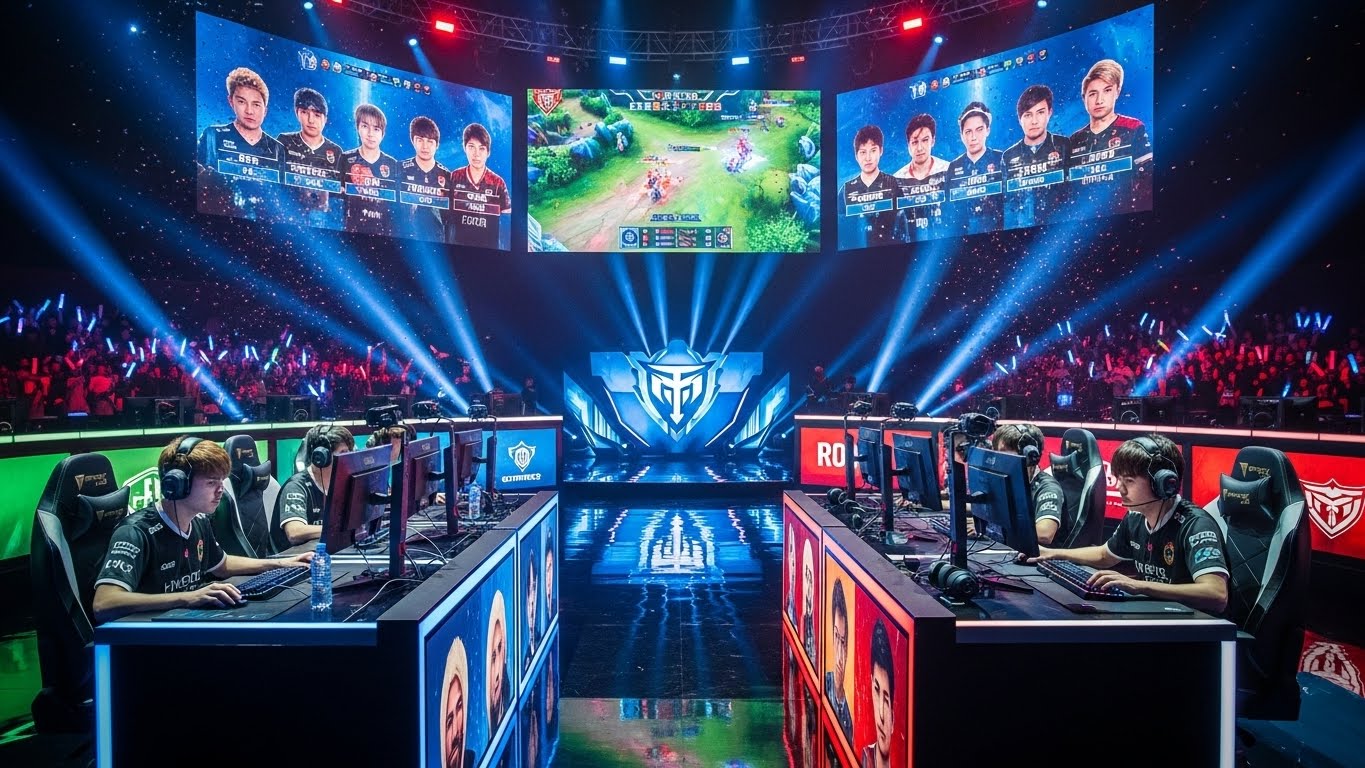
Introduction: The New Era of Competitive Gaming
Esports, short for electronic sports, has transformed the way people perceive gaming. Once seen merely as a casual hobby, gaming has evolved into a professional, highly competitive industry with global recognition. From multiplayer online battle arenas to first-person shooters, esports offers a platform where skill, strategy, and teamwork converge to create exhilarating entertainment. The industry is no longer niche; it’s a cultural phenomenon that attracts millions of viewers and participants worldwide. In this blog, we will explore the growth of esports, its impact on society, the professional ecosystem, and its future potential.
The History and Evolution of Esports
The roots of esports date back to the late 1970s and 1980s when arcade competitions and early computer games gained popularity. Early tournaments, such as the Space Invaders Championship in 1980, drew thousands of participants eager to compete and showcase their skills. During the 1990s, games like StarCraft and Quake brought a new dimension to competitive gaming, particularly in South Korea, where professional leagues and gaming television networks emerged. By the 2000s, the proliferation of high-speed internet and online multiplayer games accelerated esports’ growth, enabling players from different countries to compete in real-time. The introduction of streaming platforms in the 2010s further amplified esports’ reach, transforming competitions into widely viewed global events.
Understanding the Esports Ecosystem
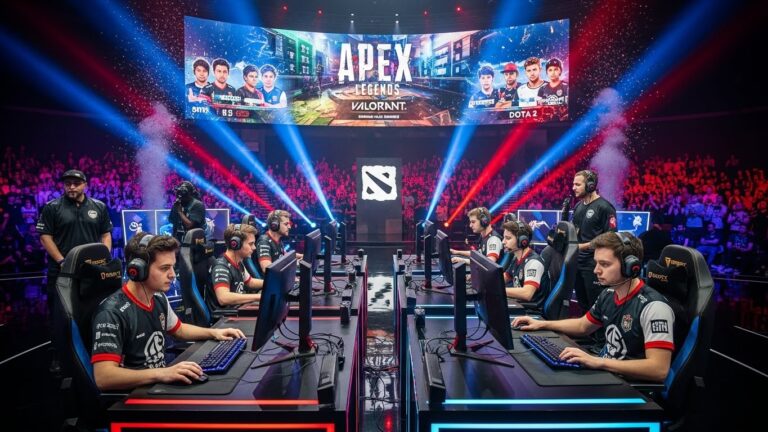
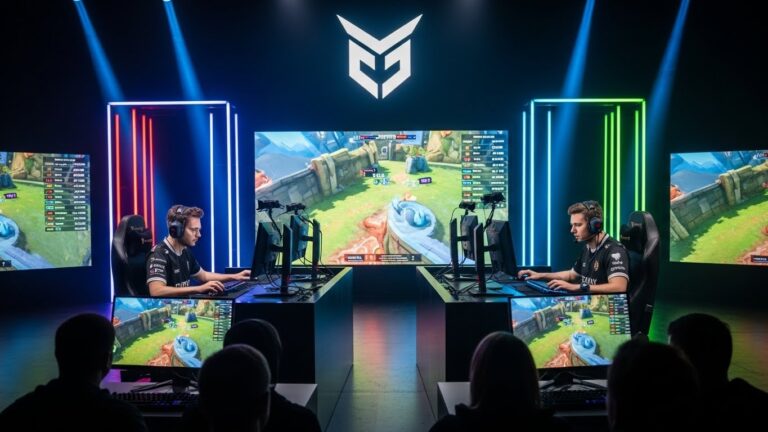
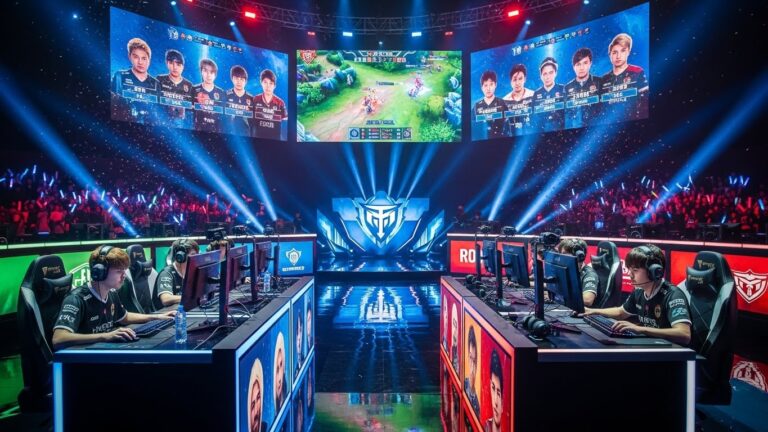
Esports is not limited to the players on the screen. The ecosystem is vast, involving multiple stakeholders, including game developers, teams, sponsors, broadcasters, and event organizers. Game developers create and maintain the titles that become esports staples, such as League of Legends, Dota 2, Counter-Strike, and Fortnite. Teams recruit and train professional players, while sponsors provide financial backing to ensure sustainability. Event organizers design tournaments, often held in massive arenas with thousands of live spectators. Streaming platforms and broadcasters expand the reach, allowing millions of viewers to watch competitions live and interact with players and fans. This interconnected network ensures that esports is both competitive and commercially viable.
Popular Esports Genres and Games
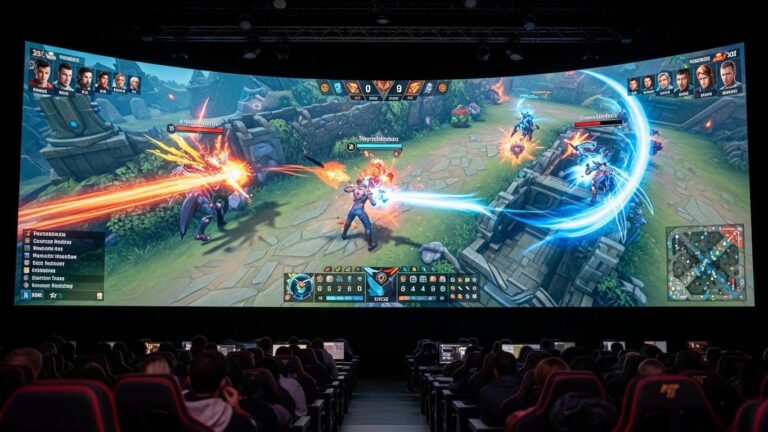
Esports encompasses a wide variety of game genres, each requiring distinct skills and strategies. Multiplayer Online Battle Arena (MOBA) games, like League of Legends and Dota 2, emphasize teamwork, strategy, and map control. First-Person Shooter (FPS) games, such as Counter-Strike: Global Offensive and Call of Duty, focus on reflexes, precision, and situational awareness. Real-Time Strategy (RTS) games, including StarCraft II, demand long-term planning and multitasking abilities. Fighting games, such as Street Fighter and Tekken, test timing and individual skill. Finally, battle royale games like Fortnite combine survival tactics with fast-paced combat. Each genre attracts a unique audience, creating a diverse and vibrant competitive gaming landscape.
The Professional Player Journey
Becoming a professional esports player requires dedication, discipline, and continuous improvement. Aspiring players typically start with casual gaming, gradually transitioning to competitive tournaments as they refine their skills. Successful players often join amateur or semi-professional teams before being scouted by professional organizations. Training is intensive and resembles traditional sports, including strategy sessions, mechanical skill practice, and physical and mental conditioning. Beyond gameplay, players must manage branding, social media presence, and fan interactions, making them not only athletes but also public figures. This professional journey highlights the seriousness and commitment that modern esports demands.
The Economic Impact of Esports
Esports has evolved into a billion-dollar industry with multiple revenue streams. Sponsorships, advertising, merchandise sales, and media rights form the backbone of esports economics. Major tournaments offer prize pools that can reach millions of dollars, attracting top talent and media attention. Streaming platforms contribute to revenue through subscriptions, donations, and advertisements. Additionally, brands increasingly use esports to reach younger, digitally engaged audiences, making it an essential marketing channel. The economic impact is also visible in job creation, including roles for coaches, analysts, event managers, commentators, and content creators. The financial ecosystem around esports demonstrates its sustainability and long-term potential.
Esports and Social Interaction
Esports is more than a competition; it’s a social phenomenon that connects players and fans globally. Online communities allow gamers to share experiences, strategies, and content, fostering a sense of belonging. Fans participate in live events, chat during streams, and follow their favorite teams and players, creating an interactive and engaging experience. In educational settings, esports clubs and programs provide students with opportunities to develop teamwork, leadership, and communication skills. Social interaction within esports is inclusive, breaking traditional barriers of geography, culture, and age. It has become a platform where individuals bond over shared interests and collective excitement.
Health and Wellness in Esports
While esports offers immense opportunities, it also presents challenges related to health and wellness. Professional players spend extensive hours practicing, which can lead to physical strain, such as wrist and back injuries. Mental health is equally important, as the pressure to perform and constant online scrutiny can cause stress and burnout. Modern esports organizations recognize these risks and integrate wellness programs, including physical training, psychological support, and balanced schedules. Maintaining health is essential not only for longevity in the profession but also for peak performance, demonstrating that esports requires holistic preparation.
Esports as a Cultural Phenomenon
Esports has penetrated mainstream culture, influencing entertainment, fashion, and media. Celebrities and professional athletes endorse esports events, and popular culture often references competitive gaming. Esports tournaments are broadcasted on television networks and streamed to millions worldwide, while merchandise and collectibles cultivate fan identity. Additionally, esports has influenced education, with universities offering scholarships and programs to attract talented players. The cultural impact of esports shows that gaming has transcended its entertainment roots, becoming a legitimate form of professional competition and social expression.
The Future of Esports
The future of esports appears bright and expansive. Technological advancements, such as virtual reality and artificial intelligence, may revolutionize gameplay and spectator experiences. Mobile esports continues to grow, particularly in regions where smartphones are the primary gaming devices. The professional ecosystem is expected to mature further, with standardized regulations, player unions, and better support systems. Additionally, esports may increasingly intersect with traditional sports, creating hybrid competitions and cross-industry collaborations. As the audience grows and technology evolves, esports is poised to become an integral part of global entertainment and sports culture.
Conclusion: Esports as a Global Movement
Esports represents a transformative movement in gaming and entertainment. It combines skill, strategy, and community, creating experiences that rival traditional sports. From its early arcade competitions to today’s massive international tournaments, esports has grown into a professional, cultural, and economic force. It empowers players, entertains millions, and fosters global connections through a shared passion for gaming. As the industry continues to evolve, esports will not only redefine competitive gaming but also reshape the way we perceive sports, media, and social interaction in the digital age.
About the Author