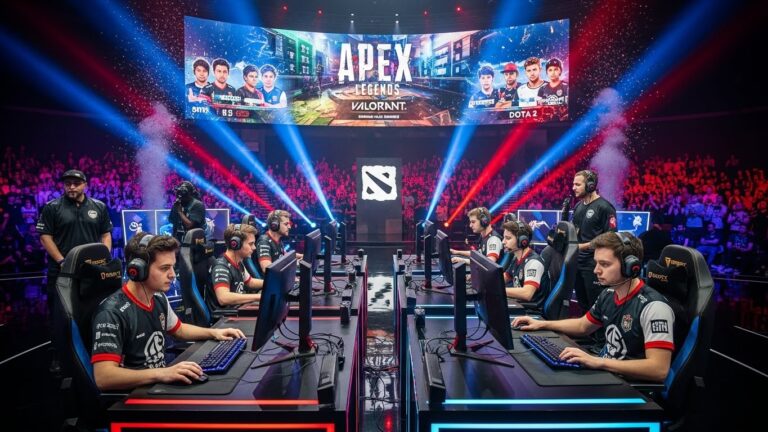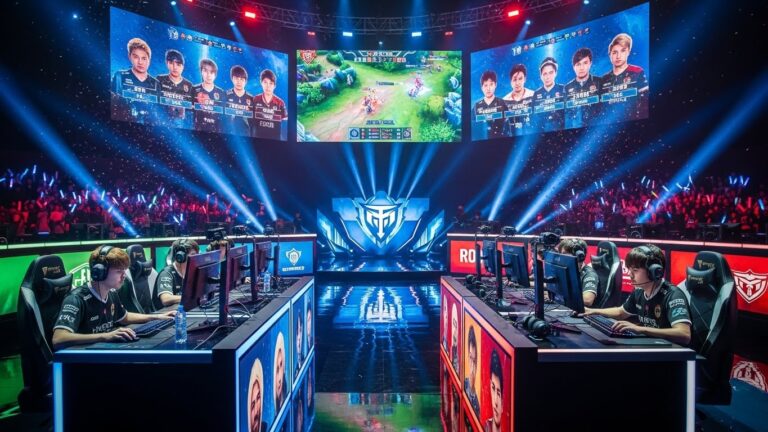
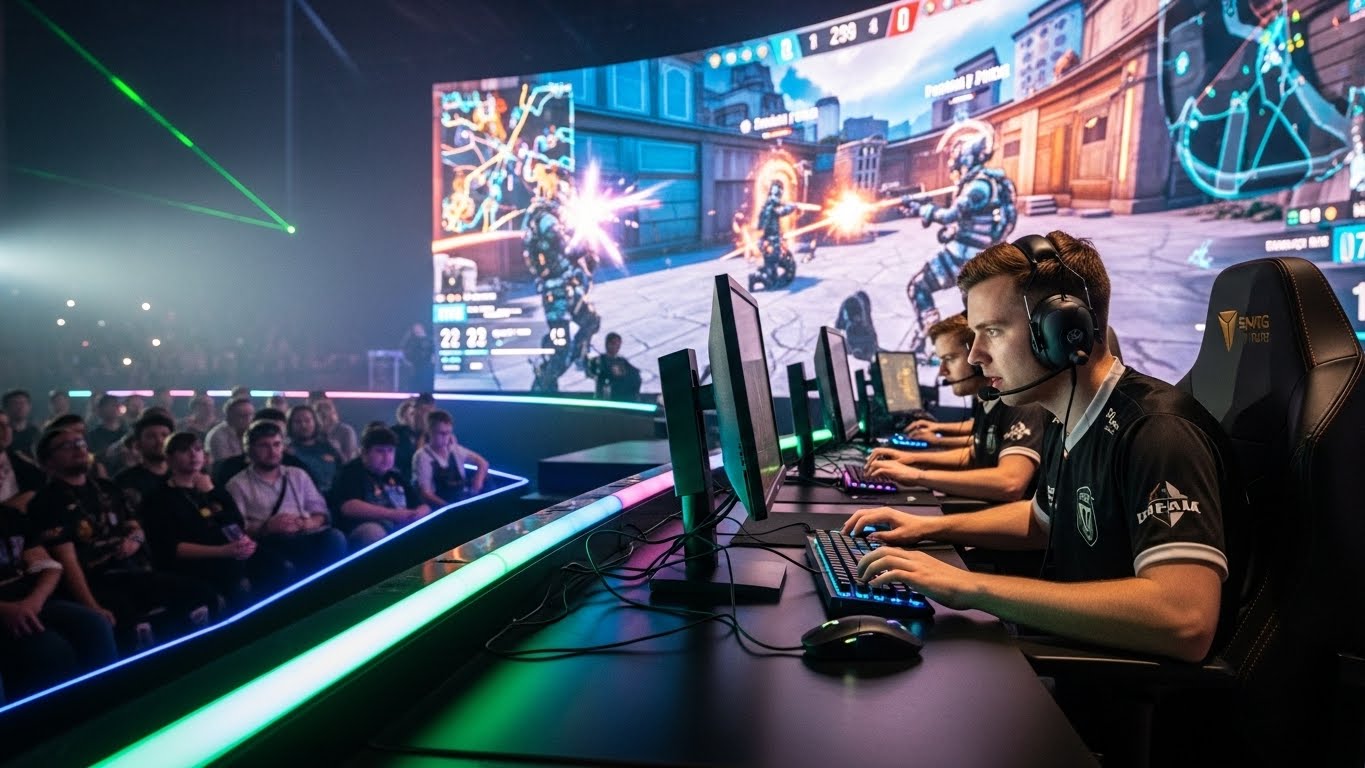
In just a few short decades, esports has transformed from a niche hobby into a global phenomenon, captivating millions of players, viewers, and investors worldwide. What started as small, local tournaments in arcades has now blossomed into a multi-billion-dollar industry. Esports has evolved to the point where it mirrors the structure, excitement, and commercial value of traditional sports, drawing comparisons to football, basketball, and even soccer. But what exactly has fueled this meteoric rise, and where is esports headed in the future? In this blog post, we will explore the history, current landscape, and future prospects of esports, examining how this industry has revolutionized the gaming world.
What is Esports?
Esports, short for electronic sports, refers to competitive video gaming where individuals or teams compete against each other in various video games, often for substantial prize money, sponsorships, and recognition. Esports competitions can range from amateur tournaments to high-stakes, professional events that are streamed to millions of viewers worldwide. These events showcase players’ skills, strategy, and teamwork in games like League of Legends, Counter-Strike: Global Offensive, Dota 2, Fortnite, and Overwatch, among many others.
Esports is not limited to any one genre of video games; instead, it spans across multiple genres, such as real-time strategy games (RTS), multiplayer online battle arena (MOBA) games, first-person shooters (FPS), and battle royale games. The diversity of games adds richness to the esports ecosystem, with each genre cultivating its own unique fanbase, professional leagues, and tournaments.
The Early Beginnings of Esports
Esports can trace its roots back to the early days of video gaming. In the 1970s and 1980s, arcade games like Pong and Space Invaders became popular, and local competitions emerged as players sought to demonstrate their skills. However, it wasn’t until the 1990s that esports began to take shape as a recognized industry.
One of the first notable esports tournaments occurred in 1997 with the Red Annihilation tournament for the game Quake. This event attracted a competitive audience and offered a Ferrari as the grand prize, signaling the potential for significant rewards in competitive gaming. Over the next few years, the rise of multiplayer games like StarCraft and Warcraft III created fertile ground for organized competitions, especially in regions like South Korea, where the esports scene began to blossom.
In the early 2000s, the availability of high-speed internet further fueled the growth of esports, allowing players to compete against one another remotely, rather than being limited to local LAN (Local Area Network) events. The 2000s saw the rise of iconic games like Counter-Strike, Warcraft III, and StarCraft that garnered large competitive communities and provided a platform for professional players to showcase their talents.
Esports Takes the Global Stage
While esports had its roots in the 1990s and early 2000s, it truly began to explode in the 2010s. Several key factors contributed to this boom, including technological advancements, the rise of streaming platforms, and the growing acceptance of gaming as a legitimate form of entertainment.
The Role of Streaming Platforms
One of the pivotal elements in the rise of esports was the advent of streaming platforms like Twitch, which launched in 2011. Twitch allowed gamers to live-stream their gameplay to a global audience, giving esports players and teams a platform to showcase their skills in real-time. This move to online streaming helped turn esports into a spectator sport, similar to traditional sports.
The accessibility of Twitch, combined with its robust community features such as live chats and subscriber options, made it easier for fans to interact with players, discuss strategies, and support their favorite teams. Over time, streaming evolved into a full-blown entertainment industry, with streamers making significant income through sponsorships, donations, and subscriptions. Popular players like Ninja, Shroud, and PewDiePie rose to prominence by streaming their gameplay on platforms like Twitch and YouTube, further propelling esports into the mainstream.
Global Tournaments and Prize Pools
Esports tournaments became increasingly large-scale in terms of both viewership and prize money. The League of Legends World Championship, held annually since 2011, is one of the most well-known and widely watched esports events. In 2018, the event attracted over 100 million viewers worldwide, a number that rivaled traditional sporting events like the Super Bowl. Prize pools for esports tournaments also skyrocketed, with some events offering millions of dollars in rewards. For example, the prize pool for The International, the premier tournament for Dota 2, reached a staggering $40 million in 2021, largely funded by player donations and in-game purchases.
Esports tournaments often attract large crowds at live venues, such as the Overwatch League Grand Finals at the Wells Fargo Center in Philadelphia, and The International at KeyArena in Seattle. These events are streamed across the world, and the production value of these tournaments rivals that of major sports broadcasts, with high-quality commentary, expert analysis, and behind-the-scenes coverage that engage fans and enhance the viewer experience.
The Rise of Esports Teams and Professional Players
Another factor driving the growth of esports is the formation of professional esports teams and leagues. In the same way traditional sports leagues like the NFL and NBA structure their teams, esports now has major organizations such as Team Liquid, Cloud9, and FaZe Clan. These organizations sign professional players, provide coaching, and facilitate player development.
Players in esports often train as rigorously as athletes in traditional sports. Practice sessions, strategy meetings, and fitness regimens are all part of the professional gaming life. Esports organizations also invest heavily in their teams, providing salaries, sponsorships, and endorsements that enable players to make esports their full-time careers.
Some professional players have achieved celebrity status within the gaming community, with massive followings on social media platforms and lucrative endorsement deals with major brands like Intel, Red Bull, and Coca-Cola. Esports has transformed the notion of what it means to be a “professional gamer,” and many players now enjoy fame, fortune, and recognition.
Sponsorships and Investment
The growing popularity of esports has also attracted significant investment from both inside and outside the gaming industry. Traditional sports organizations, including the New York Yankees, Dallas Cowboys, and the Los Angeles Clippers, have all invested in esports teams, recognizing the immense commercial potential. Major companies like Intel, Coca-Cola, and Nike have entered the esports space by sponsoring teams and tournaments.
This influx of capital has helped esports reach a level of professionalization previously seen only in traditional sports. Prize pools have expanded, broadcasting deals with major networks like ESPN and TBS have been established, and gaming companies are pouring resources into creating more high-quality events that can draw even larger audiences.
The Cultural Impact of Esports
Esports’ influence extends beyond just gaming and entertainment. It has become a cultural phenomenon that is impacting other areas of society, including education, media, and even mental health.
Esports in Education
As esports has grown, universities and high schools have started to recognize the educational benefits of competitive gaming. Many universities now offer esports scholarships, creating pathways for students to attend school while pursuing a career in gaming. Esports programs at colleges like the University of California, Irvine, and the University of Utah provide coaching, facilities, and even academic courses focused on esports management, game design, and digital marketing.
Esports provides a unique opportunity for students to develop teamwork, leadership, and communication skills—all of which are transferable to the workplace. It also offers students an alternative career path, where competitive gaming or game development can become a legitimate profession.
Esports and Media
Media coverage of esports has skyrocketed in recent years, with traditional sports networks like ESPN and NBC Sports broadcasting major tournaments and events. The rise of esports as a spectator sport has also led to the development of documentaries, talk shows, and series that explore the lives of professional players and the behind-the-scenes workings of esports organizations.
Platforms like YouTube and Twitch have given esports content creators a chance to build their own audiences, leading to an explosion of content related to gaming, including live broadcasts, tutorials, and commentary. This content has helped esports integrate into the wider entertainment ecosystem, connecting with fans on multiple levels.
The Future of Esports: What’s Next?
Esports continues to grow at a rapid pace, and the future looks incredibly promising. As technology advances, so too will the experiences surrounding esports, opening up new avenues for innovation and engagement.
Virtual Reality and Augmented Reality
The integration of virtual reality (VR) and augmented reality (AR) could revolutionize the esports experience. Imagine esports tournaments where players use VR headsets to immerse themselves in a fully interactive environment. This could change the way esports events are viewed, offering fans a more immersive and engaging experience. VR and AR technologies could also enhance the gameplay experience for players, allowing for new mechanics and strategies that are impossible in traditional gaming.
Esports and the Olympics
There has been increasing debate around the possibility of esports being included in the Olympic Games. While the International Olympic Committee (IOC) has yet to make a decision on the matter, the growing popularity of esports makes it a logical contender for future inclusion. If esports becomes an official Olympic sport, it would mark a significant moment in the history of competitive gaming, elevating the industry to new heights.
Mobile Esports
Mobile gaming is another area where esports is expanding rapidly. Games like PUBG Mobile, Free Fire, and Mobile Legends have attracted massive audiences, particularly in regions like Southeast Asia and India. As mobile technology continues to improve, we can expect mobile esports to become an even larger component of the global esports scene, creating new opportunities for players and fans alike.
About the Author