Introduction
The Olympic Games have always symbolized the pinnacle of human athletic achievement, uniting nations through competition, skill, and sportsmanship. For over a century, the Olympics have celebrated physical excellence across countless disciplines—from track and field to swimming, gymnastics, and team sports. Yet, as technology continues to redefine the boundaries of what constitutes a sport, a new contender has emerged: esports. Competitive video gaming has evolved into a global cultural and sporting phenomenon, attracting millions of players and spectators. Now, the debate is intensifying over whether esports deserves a permanent place in the Olympic Games.
The idea of esports in the Olympics represents more than just the inclusion of video games—it signifies a shift in how society views competition, technology, and athleticism. As esports continues to grow in scale and legitimacy, its relationship with the Olympic movement raises important questions about tradition, innovation, and the very definition of sport. In this comprehensive exploration, we will discuss how esports is shaping its path toward Olympic recognition, the challenges it faces, and what the future may hold for this groundbreaking intersection of gaming and global athletic competition.
The Rise of Esports as a Global Phenomenon
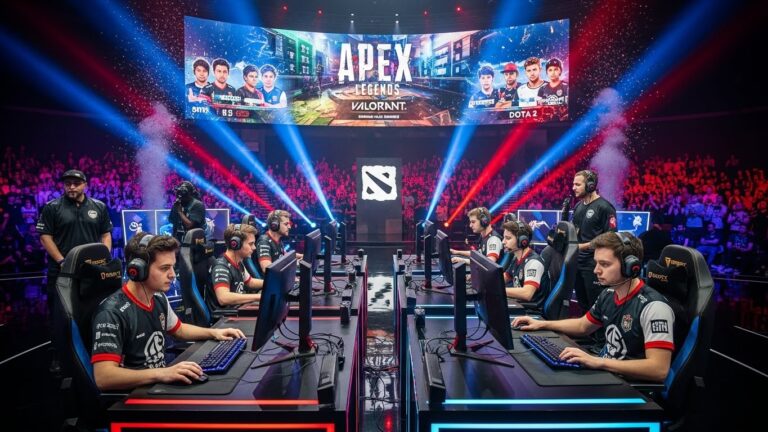
Before discussing the Olympic connection, it is essential to understand the meteoric rise of esports. What started as small-scale LAN tournaments in the early 2000s has transformed into a billion-dollar industry with massive audiences. Games like League of Legends, Dota 2, Counter-Strike, and Fortnite have produced international stars and captivated millions of fans through live events and online streaming platforms.
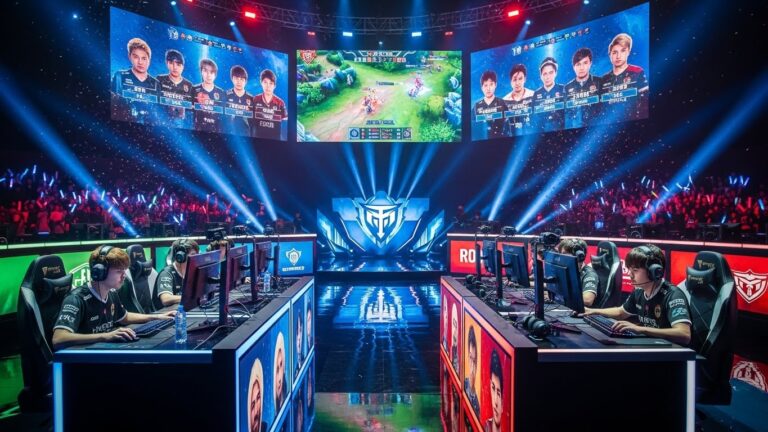
The scale of esports today rivals traditional sports. Major tournaments fill arenas, while championship events draw viewership numbers comparable to the Super Bowl or the FIFA World Cup. Professional players train full-time, supported by coaches, nutritionists, and analysts, just like Olympic athletes. Teams represent countries, corporations, and universities, competing for prestige and financial reward.
Given this scale, it is no surprise that esports has caught the attention of the International Olympic Committee (IOC). The sheer popularity of gaming among younger generations presents both a challenge and an opportunity for the Olympics—a way to modernize, engage new audiences, and stay relevant in the digital era.
Esports and the Olympic Movement: A Brief History
The conversation around esports joining the Olympic Games began gaining serious traction in the late 2010s. The IOC recognized esports as a potential sport in 2017, acknowledging its massive following and competitive structure. However, officials emphasized the need for alignment with Olympic values such as fair play, non-violence, and inclusivity.
Since then, several initiatives have been launched to explore how esports could fit into the Olympic framework. The most notable example is the Olympic Esports Series, introduced as part of the Olympic Esports Week held in Singapore in 2023. This event featured competitions in games that simulate traditional sports—like virtual cycling, archery, sailing, and motorsport—rather than popular titles like League of Legends or Counter-Strike.
The goal was to bridge the gap between digital and physical competition, testing whether esports could coexist within the Olympic environment. While this cautious approach avoided controversial games, it demonstrated the IOC’s willingness to experiment and adapt.
Why the Olympics Needs Esports
The inclusion of esports in the Olympic Games could revitalize the global event in several key ways.
Firstly, esports appeals to a younger demographic. The average Olympic viewer is over 40 years old, while esports attracts audiences primarily between 16 and 30. Incorporating gaming could help the Olympics connect with Generation Z and millennials, who live in a digital-first world and consume entertainment through streaming and social media.
Secondly, esports represents the evolution of competition itself. Just as snowboarding and skateboarding were once considered fringe activities before earning Olympic recognition, esports symbolizes a new era of skill, precision, and creativity. The reflexes, strategy, and teamwork required in professional gaming meet the same core values of excellence that define traditional Olympic sports.
Lastly, esports could provide new economic and media opportunities for the Olympic movement. Sponsorships, streaming rights, and global engagement through gaming platforms could generate significant revenue and exposure for the Games. This would ensure that the Olympics remain both culturally and financially sustainable in the modern age.
Challenges Facing Esports in the Olympics
Despite its potential, integrating esports into the Olympic Games is not without controversy and challenges. The most significant obstacle is defining what type of games qualify as Olympic-appropriate. Many of the most popular esports titles involve combat, shooting, or fantasy violence—content that conflicts with the Olympic Charter’s emphasis on peace and non-violence.
This creates a dilemma: should the Olympics focus only on sports simulations like FIFA, NBA 2K, or virtual racing, or should it also consider mainstream competitive titles like Dota 2 and Valorant that drive the esports industry? Restricting esports to “safe” virtual sports might alienate the core gaming community, while including traditional esports could risk public criticism.
Another issue is governance. Unlike conventional sports, which have global federations that regulate competition, esports is fragmented among multiple publishers and leagues. Each game is owned by a private company, meaning there is no single governing body responsible for maintaining rules or anti-doping standards. This lack of structure makes it difficult for the IOC to establish consistency and fairness across games.
Finally, there are concerns about inclusivity, accessibility, and physical health. Critics argue that esports does not meet the physical standards of athletic competition, and excessive gaming can lead to sedentary lifestyles. To counter this perception, esports advocates highlight the mental, cognitive, and strategic demands of gaming, comparing it to chess or archery, which are already Olympic disciplines.
Bridging the Gap: The Role of Virtual Sports
To find common ground, the IOC has turned to virtual and simulation-based sports as a compromise. These games, such as Gran Turismo (racing), Zwift (cycling), and Just Dance, mirror real-world athletic disciplines and can integrate with physical activity. For example, virtual cycling requires participants to pedal on stationary bikes, combining digital competition with physical exertion.
This hybrid approach could be the key to bringing esports into the Olympics without diluting traditional values. Virtual sports maintain the spirit of athleticism while embracing modern technology, appealing to both traditionalists and younger audiences. Over time, this model could pave the way for broader inclusion of more conventional esports titles.
Moreover, these simulation games open new opportunities for accessibility. Athletes who may face physical limitations in traditional sports can compete on equal terms in virtual formats, promoting inclusivity and diversity. This aligns perfectly with the Olympic mission of unity and equality.
Cultural Acceptance and the Changing Definition of Sport
The question of whether esports qualifies as a “sport” has been debated for years. Critics argue that because it lacks physical exertion, it cannot be classified alongside traditional sports. However, as society evolves, so does the concept of competition. Sports like shooting, archery, and curling rely primarily on mental precision rather than physical endurance, and yet they are celebrated Olympic events.
Esports demands a different kind of athleticism—mental speed, coordination, strategy, and focus at a level comparable to any physical discipline. Professional gamers train for long hours, analyze their gameplay, and compete under intense pressure. Their preparation mirrors that of Olympic athletes, emphasizing excellence, dedication, and mastery.
As cultural attitudes shift and younger generations redefine success and skill, the gap between physical and digital competition continues to narrow. The inclusion of esports in the Olympics would be a natural reflection of this evolution—a recognition that athleticism can take many forms.
Economic Impact and Global Reach
The addition of esports to the Olympics could have significant economic implications. Esports generates billions of dollars annually through sponsorships, advertisements, ticket sales, and digital merchandise. Integrating it into the Olympics could attract new brands, from technology companies to gaming hardware producers, broadening the event’s commercial ecosystem.
Furthermore, esports’ global reach transcends borders and languages. A gamer in South Korea can compete against a player from Sweden or Brazil without leaving home. This digital connectivity perfectly aligns with the Olympic ideal of uniting the world through sport. It also allows smaller nations, which may not have strong traditional sports infrastructure, to participate competitively on a global stage.
This accessibility and universality could make esports one of the most inclusive Olympic categories ever, fostering global participation and collaboration in unprecedented ways.
The Role of Technology in the Olympic Future
Technology has always played a vital role in the advancement of the Olympics, from instant replay systems to advanced timing equipment. Esports could further accelerate this evolution by introducing interactive broadcasting, augmented reality, and live streaming innovations. Viewers could experience competitions from multiple perspectives, engage with athletes in real time, and even participate in virtual fan events.
The rise of the metaverse and virtual reality could also influence how esports fits into the Olympic experience. Imagine virtual Olympic stadiums where fans from around the world can gather digitally to watch and interact. Such advancements would not only modernize the Games but also expand their global accessibility, allowing more people to engage with the Olympic spirit.
Youth Engagement and the Future of Olympic Culture
The Olympic Games have long sought ways to attract younger audiences. Events like skateboarding, BMX freestyle, and sport climbing were added to recent Games to appeal to youth culture. Esports offers a similar, if not greater, opportunity. Gaming is already the most popular form of entertainment among young people, surpassing television and traditional sports.
By embracing esports, the Olympics can ensure its relevance for future generations. Instead of viewing gaming as competition to traditional sports, the IOC can leverage it as a bridge to connect with digital natives. Esports can teach values like teamwork, perseverance, and respect—core Olympic principles—through a medium that resonates with the modern world.
Furthermore, esports can serve as a gateway to education, technology, and digital careers, aligning with the Olympic mission of inspiring personal growth and achievement.
Potential Olympic Esports Titles
If esports were to join the Olympics officially, choosing the right titles would be crucial. Likely candidates would include games that emphasize skill, fairness, and global popularity. Sports simulation games such as FIFA (now EA Sports FC), NBA 2K, and Gran Turismo would be natural fits due to their alignment with real-world sports.
Other possibilities include strategy games like StarCraft II, which test intelligence and adaptability, or team-based games like Rocket League, which combines physical dexterity and tactical coordination. The challenge lies in balancing commercial interests with Olympic integrity, ensuring that the chosen games represent universal appeal and competitive balance.
As technology progresses, the Olympics may even commission its own official esports titles, designed specifically to embody the Olympic spirit. Such games could eliminate issues related to violence or corporate ownership while ensuring fairness and accessibility for all participants.
Looking Ahead: When Could Esports Join the Olympics?
The inclusion of esports in the Olympics is not a question of if, but when. The IOC has already demonstrated growing interest and gradual integration through events like the Olympic Esports Week. The next step may be a demonstration event at the 2028 Los Angeles Olympics or the 2032 Brisbane Games, where esports could serve as a bridge between traditional competition and digital innovation.
The long-term vision might see esports becoming a permanent Olympic category by the mid-2030s, potentially creating a dedicated “Olympic Esports Games.” This format would parallel traditional events while allowing for flexibility in game selection and participation.
As the boundaries between physical and digital worlds continue to blur, esports’ inclusion seems increasingly inevitable. It represents the future of competition—diverse, global, and technologically driven.
Conclusion
The future of esports in the Olympics reflects a broader transformation in how humanity defines sport, competition, and connection. Esports embodies the same spirit of excellence, determination, and unity that has defined the Olympic movement for over a century—only in a digital form.
While challenges remain in governance, cultural acceptance, and alignment with Olympic values, the growing collaboration between esports organizations and the IOC signals a new era. As technology evolves and global interest in gaming intensifies, the day when esports takes its rightful place alongside traditional sports on the Olympic stage is drawing closer.
In this future, the Olympics will not only celebrate physical strength and endurance but also mental agility, precision, and digital mastery. Esports will stand as proof that the human drive to compete and achieve knows no boundaries—whether on the field, in the arena, or within the virtual worlds that now define our age.
The union of esports and the Olympics will mark not the end of tradition but the beginning of a new chapter—one where the ancient spirit of the Games meets the limitless potential of the digital future.
About the Author