Introduction
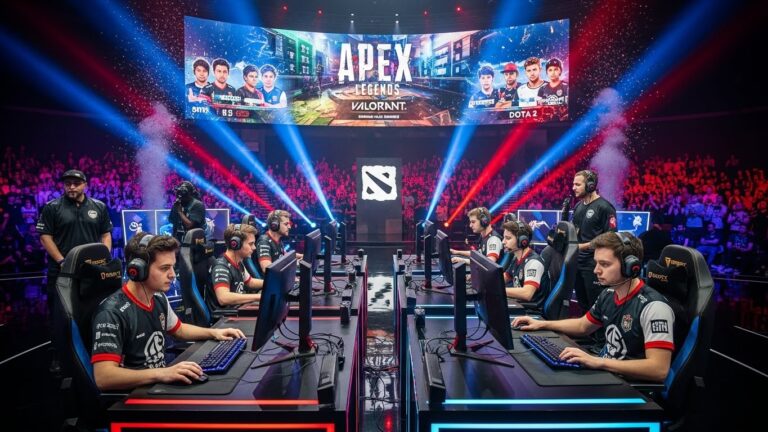
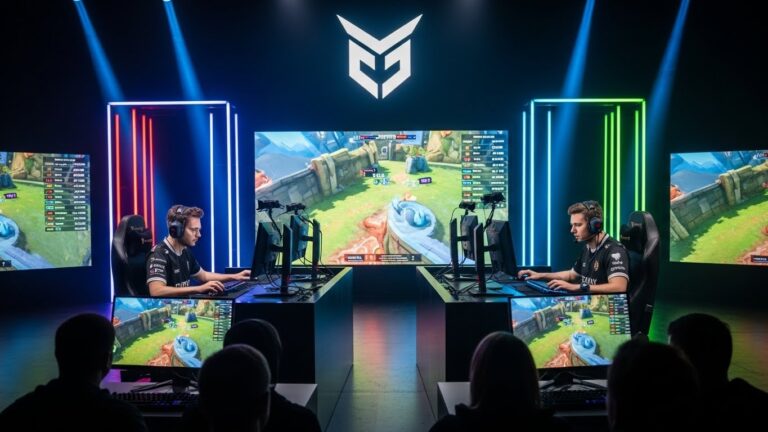
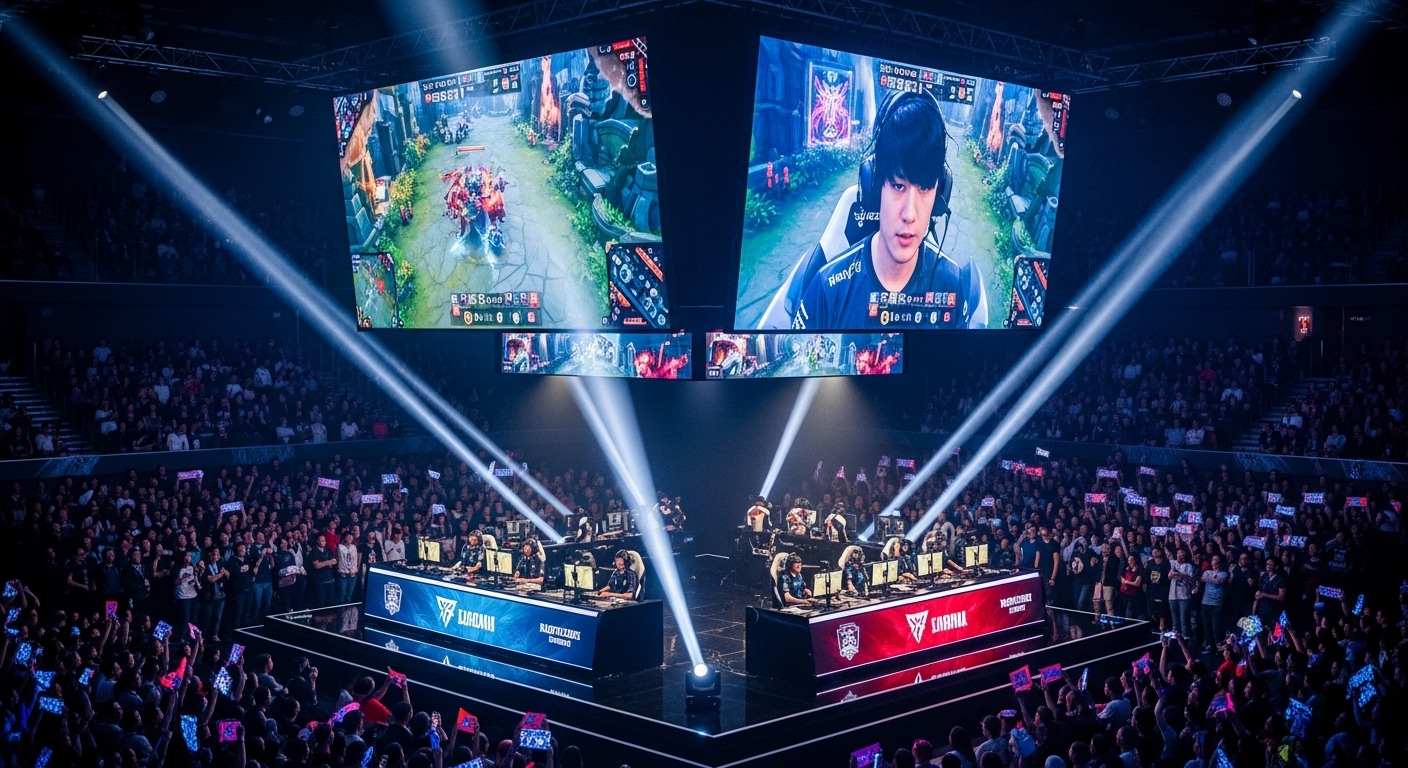
In the world of sports, few industries have witnessed such rapid growth and transformation as esports. What started as small-scale, underground tournaments for a niche group of gamers has now blossomed into a global phenomenon. Esports, short for electronic sports, has become a multi-billion-dollar industry that rivals traditional sports in terms of viewership, sponsorships, and fan engagement. From local LAN parties to worldwide tournaments with million-dollar prize pools, esports has captured the hearts and minds of millions. This blog post will explore the rise of esports, its impact on gaming culture, and how it has become a defining force in modern entertainment.
The Origins of Esports: From Casual Gaming to Competitive Play
Esports traces its origins back to the early days of video gaming when players began to compete against one another in arcade games, fighting games, and strategy games. While the concept of gaming competition has always existed, it wasn’t until the late 1990s and early 2000s that the rise of online multiplayer games like “Quake” and “StarCraft” laid the foundation for competitive gaming. South Korea, in particular, became the birthplace of modern esports, with the country’s focus on competitive gaming growing significantly through televised events and tournaments.
The first true milestone in the history of esports came in 1997 with the “Red Annihilation” tournament for the game “Quake.” This marked the first high-profile, large-scale competition with a substantial prize pool, which helped to legitimize the idea of gaming as a competitive sport. However, it wasn’t until the release of games like “StarCraft” and “Warcraft III” that competitive gaming truly exploded. These games gained significant popularity in Asia, where tournaments began to be held on a regular basis, drawing in large crowds of viewers and offering significant cash prizes.
By the mid-2000s, the world of esports was starting to expand globally. North America, Europe, and China began to adopt the idea of organized gaming tournaments, and the first large-scale esports organizations were born. The creation of esports-focused leagues and the advent of online streaming platforms like Twitch allowed esports to reach a much broader audience, turning what was once a subculture into a mainstream entertainment medium.
The Business of Esports: A Multi-Billion Dollar Industry
Esports has become an economic juggernaut. In 2021, the global esports market was valued at approximately $1.08 billion, and the industry continues to see double-digit growth every year. Revenue in esports comes from multiple sources, with sponsorships, advertising, media rights, and merchandising being the largest contributors. One of the biggest factors driving esports’ financial success is its ability to attract corporate sponsorships from major brands like Coca-Cola, Intel, and Nike. These brands see esports as a valuable platform to reach a young, tech-savvy audience that is difficult to engage through traditional marketing channels.
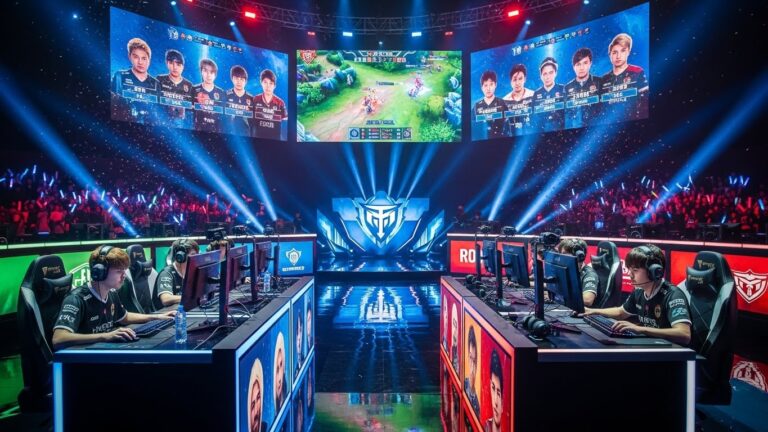
The viewership of esports has grown to unprecedented levels. Major esports tournaments, such as the “League of Legends World Championship” and “The International” for “Dota 2,” attract millions of viewers, both in-person and online. For example, the 2019 “League of Legends World Championship” had an astounding 100 million unique viewers, surpassing even some of the biggest sports events in the world. This global viewership has further cemented esports as a mainstream entertainment form.
Media rights have also played a critical role in the expansion of the esports industry. Platforms like Twitch, YouTube Gaming, and Facebook Gaming have become central hubs for both casual and professional gamers. These platforms not only allow fans to watch live tournaments but also give them access to exclusive content, such as behind-the-scenes footage and live commentary. The rise of streaming has enabled gamers to turn their passion for gaming into full-time careers, with top-tier streamers earning millions of dollars from donations, sponsorships, and ad revenue.
Esports Games: The Heartbeat of the Industry
Esports is defined by the games that are played competitively. Different genres of games have evolved into major esports titles, each requiring a distinct set of skills and strategies. The most popular esports games today span multiple genres, including multiplayer online battle arena (MOBA) games, first-person shooters (FPS), real-time strategy (RTS), and battle royales.
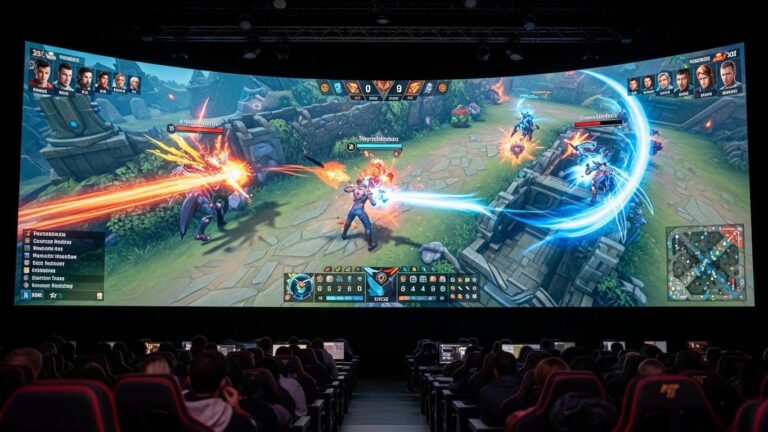
“League of Legends” is perhaps the most iconic and influential game in the esports world. Developed by Riot Games, “League of Legends” is a MOBA that features two teams of five players battling it out on a highly detailed map. The game has become synonymous with esports, and its World Championship, which boasts a multi-million-dollar prize pool, draws millions of viewers each year. The game’s blend of strategy, teamwork, and action has made it a favorite among both players and spectators.
Another major title in the esports arena is “Dota 2,” developed by Valve Corporation. Known for its high skill ceiling and deep strategy, “Dota 2” is often considered one of the most challenging competitive games in existence. The International, an annual tournament for “Dota 2,” offers one of the largest prize pools in esports, often exceeding $30 million. The complexity and intricacy of the game’s mechanics keep players and viewers alike engaged, making it a central fixture in the esports world.
First-person shooters (FPS) also play a huge role in competitive gaming. Games like “Counter-Strike: Global Offensive,” “Call of Duty,” and “Overwatch” are staples in the esports ecosystem. These games feature fast-paced, skill-based gameplay that requires quick reflexes, sharp aim, and effective teamwork. “Overwatch,” with its unique blend of tactical gameplay and hero-based mechanics, has carved out its niche in the esports community, while “CS: GO” continues to be a mainstay in FPS competitions.
The rise of battle royale games, such as “Fortnite” and “PUBG,” has brought a new dimension to competitive gaming. These games combine survival mechanics with large-scale, free-for-all combat, where players fight to be the last one standing. “Fortnite” in particular has become a cultural phenomenon, attracting players of all ages, and has held one of the most popular esports tournaments with massive prize pools.
The Esports Ecosystem: Teams, Players, and Leagues
At the heart of esports lies the players and teams who dedicate their lives to mastering their craft. These professional players are often seen as celebrities within the gaming world, with large social media followings and sponsorships. Top players are often recruited by esports organizations, where they train, compete, and represent their teams in tournaments around the world. These organizations are similar to traditional sports franchises, with players signing contracts, receiving salaries, and participating in team training.
In addition to the players themselves, coaches, analysts, and managers play crucial roles in an esports organization. Coaches help players improve their gameplay, while analysts provide in-depth analysis and strategies to give teams a competitive edge. Managers oversee the day-to-day operations of the team, including sponsorship deals, travel logistics, and overall team well-being.
Esports leagues have become a key part of the competitive gaming landscape. Much like traditional sports leagues, these leagues feature teams that compete against one another for points, rankings, and championship titles. Some of the most prominent esports leagues include the League of Legends Championship Series (LCS), the Overwatch League (OWL), and the Call of Duty League (CDL). These leagues operate on a seasonal basis, with regular matches leading up to playoff events that determine the league champion.
The Role of Streaming and Social Media in Esports
One of the driving forces behind the explosive growth of esports has been the rise of streaming platforms. Platforms like Twitch have revolutionized how fans consume content. Not only can viewers watch live tournaments, but they can also tune in to watch their favorite players stream their practice sessions, play casual games, or interact with their fans. This level of access has created a more personal connection between players and their audience, driving deeper fan engagement.
Social media has also played a significant role in the growth of esports. Professional players, teams, and organizations use platforms like Twitter, Instagram, and YouTube to connect with fans, share content, and promote events. Fans can follow their favorite players and receive updates on tournaments, team news, and sponsorship deals. The widespread use of social media has turned esports into a global community where players and fans from all over the world can interact and share their passion for gaming.
Esports in Education: The Rise of Collegiate Gaming
Esports is not just about professional play; it has also found a place in the world of education. Many universities around the world have recognized the value of esports as both an extracurricular activity and a potential career path. Colleges now offer scholarships for top esports players, allowing students to pursue higher education while competing at a professional level. This has created new opportunities for students to develop their skills, both in gaming and in other areas like event management, marketing, and broadcasting.
Collegiate esports leagues have also become increasingly popular, with schools organizing tournaments and establishing esports teams. These college-level competitions provide a platform for aspiring professional players to showcase their talent and potentially sign with major esports organizations. Furthermore, the rise of esports in academia has led to the development of programs in game design, esports management, and broadcasting, opening up career pathways in the growing esports ecosystem.
The Future of Esports: Challenges and Opportunities
While esports has come a long way, there are still challenges to overcome. One of the biggest hurdles is ensuring the mental and physical health of players. The demands of professional gaming, including long hours of practice and constant travel, can lead to burnout, stress, and health issues. Esports organizations are beginning to recognize the importance of player well-being and are implementing better support systems for players, including mental health resources and more balanced training schedules.
About the Author