Introduction
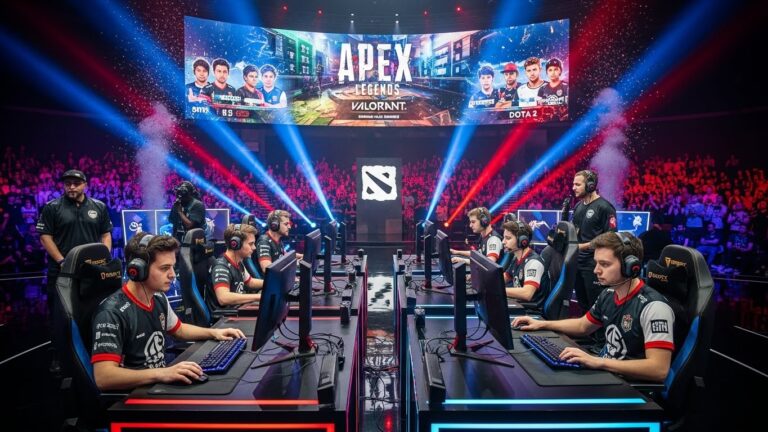
Esports, short for electronic sports, has rapidly transformed from a niche pastime for gamers into a global, multi-billion-dollar industry. What began as a hobby among early gamers has evolved into a competitive ecosystem, with professional teams, massive online tournaments, and millions of fans around the world. Today, esports enjoys the same level of engagement and viewership as traditional sports, and its growth shows no signs of slowing down. This blog post explores the evolution of esports, from its humble beginnings to its current status as a global entertainment powerhouse.
The Birth of Esports: From Arcade Games to LAN Parties
The roots of esports can be traced back to the early days of video gaming. In the 1970s and 1980s, arcades became the birthplace of competitive gaming, with players battling it out for high scores in games like Pong and Space Invaders. However, it wasn’t until the 1990s that the concept of competitive gaming began to take form, with local tournaments and multiplayer experiences becoming more prevalent.
As home computing and internet access spread, so did the possibilities for multiplayer gaming. One of the first major milestones in esports history was the release of games like Quake and StarCraft, which featured online multiplayer modes. In the late 1990s and early 2000s, local area network (LAN) parties began to emerge, where players would gather in person to compete against each other in these games. This marked the beginning of esports as a social and competitive event, with players organizing tournaments in living rooms, basements, and community centers.
The Rise of Professional Tournaments
By the early 2000s, the growing interest in competitive gaming led to the formation of the first professional tournaments. One of the most notable early tournaments was the World Cyber Games (WCG), which began in 2000 and became the “Olympics” of esports. Players from around the world gathered to compete in games like Counter-Strike and Warcraft III, and the tournament offered prize money, sponsorships, and a growing sense of legitimacy to the esports scene.
At the same time, games like StarCraft and Counter-Strike developed passionate player bases, leading to the formation of dedicated teams and leagues. These games set the stage for what would become a thriving esports ecosystem. In South Korea, StarCraft became a national obsession, with televised tournaments and professional players being treated like celebrities. The impact of South Korea on esports cannot be overstated, as it was one of the first countries to fully embrace esports as a mainstream form of entertainment.
The Growth of Esports in the 2010s: Streaming and Sponsorships
The 2010s marked a period of rapid growth for esports, driven by the rise of streaming platforms like Twitch and YouTube. These platforms allowed gamers to broadcast their gameplay to a global audience, which not only popularized esports but also turned it into a viable career for many players. Streaming gave fans a way to engage with their favorite players and teams, fostering a sense of community and increasing the overall visibility of esports.
Major game developers and publishers, recognizing the potential of esports, began to invest heavily in creating competitive scenes for their titles. Riot Games, for example, launched the League of Legends Championship Series (LCS) in 2013, which became one of the most-watched and lucrative esports leagues in the world. Similarly, Dota 2 introduced The International, a tournament that offered millions of dollars in prize money, attracting top-tier teams from around the globe.
Esports also began to attract major corporate sponsorships during this period. Companies from a wide range of industries, including tech, apparel, and even non-endemic brands like Coca-Cola and Mercedes-Benz, began to recognize the potential of esports to reach a young, tech-savvy audience. Sponsorships provided esports organizations with the financial backing they needed to professionalize their operations, recruit top-tier players, and build expansive fanbases.
The Explosion of Esports Viewership and Prize Pools
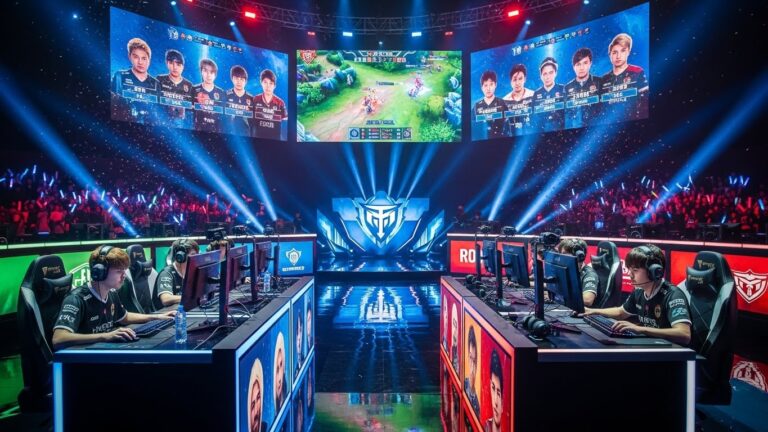
As esports continued to grow in popularity, so did the viewership numbers. Major tournaments began attracting millions of viewers both online and in-person. The League of Legends World Championship, for example, regularly boasts viewership figures comparable to traditional sporting events like the Super Bowl or the FIFA World Cup. The rise of platforms like Twitch, YouTube Gaming, and Facebook Gaming provided a global stage for esports events, allowing fans from all corners of the world to tune in and watch their favorite teams and players compete.
The size of esports prize pools also saw a dramatic increase during this time. The Dota 2 International tournaments have set new records for the largest esports prize pool in history, often reaching tens of millions of dollars. This surge in prize money has elevated the status of esports players, some of whom now enjoy salaries and sponsorship deals that rival those of professional athletes.
In addition to increasing prize money, esports organizations began to build global infrastructures to support the growing demand for competitive gaming. The creation of esports teams, leagues, and training facilities became commonplace, as organizations sought to create a sustainable ecosystem for their players and staff. This move toward professionalization not only increased the credibility of esports but also opened the door for a wider variety of career opportunities, from commentators and analysts to team managers and content creators.
Esports in the Present Day: A Mainstream Entertainment Industry
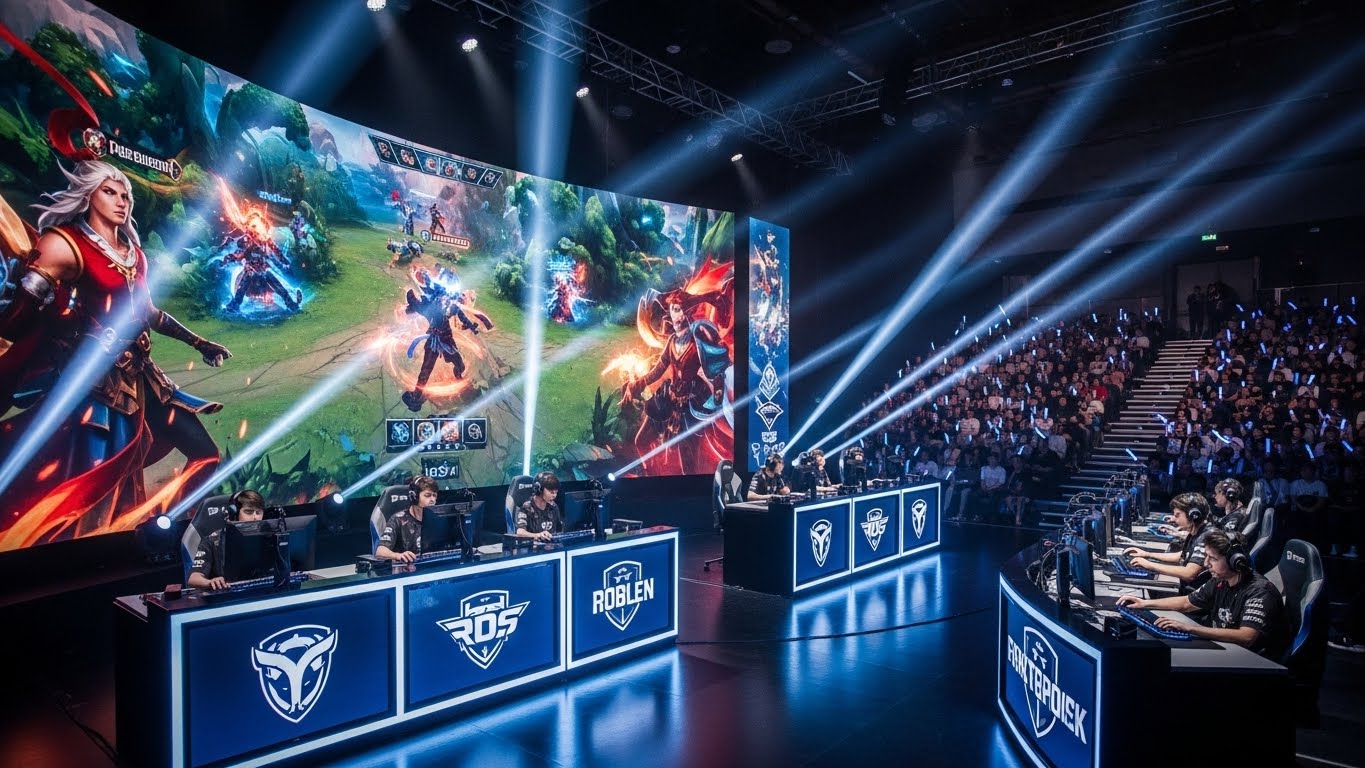
In recent years, esports has firmly established itself as a mainstream form of entertainment, with professional leagues, major sponsorships, and a global fanbase. It is now considered a legitimate sport by many, with dedicated esports arenas being built in major cities around the world. Games like League of Legends, Fortnite, Valorant, and Counter-Strike: Global Offensive continue to dominate the esports scene, with each game having its own competitive ecosystem and fanbase.
The integration of esports into traditional sports culture has also been significant. Many major sports organizations, including the NBA and NFL, have invested in esports leagues and teams. For example, the NBA’s NBA 2K League allows professional gamers to compete in the virtual version of the NBA, with teams affiliated with real-life franchises. Similarly, soccer clubs like FC Barcelona and Paris Saint-Germain have established esports divisions to compete in games like FIFA and eFootball PES.
In addition to traditional sports organizations, tech giants like Intel, Microsoft, and Google have continued to support the growth of esports through sponsorships, partnerships, and hardware donations. This support has enabled the development of larger-scale events, such as the Overwatch League and Call of Duty League, both of which feature city-based teams and a structure similar to traditional sports leagues.
The Future of Esports: A Global Ecosystem
Looking to the future, esports is poised to continue its upward trajectory, with even more opportunities for growth and innovation. One of the most exciting areas for esports is its potential integration with virtual reality (VR) and augmented reality (AR) technologies. These technologies could revolutionize the way esports events are experienced, offering fans an immersive, interactive experience that goes beyond traditional livestreams.
The continued rise of mobile esports is another area to watch. Mobile gaming has exploded in popularity, especially in regions like Southeast Asia and India, where access to high-quality gaming devices has increased significantly. Mobile esports titles like PUBG Mobile and Free Fire have seen massive growth, and mobile esports leagues are beginning to mirror their PC counterparts in terms of scale and viewership.
Esports will also likely continue to break down traditional barriers between gaming and other forms of entertainment. Partnerships with music artists, celebrities, and influencers have already helped bring esports into the mainstream, and this trend is expected to expand. For example, live music performances during major esports events, like Fortnite’s in-game concerts, are becoming a common feature, further blurring the lines between gaming and other entertainment forms.
Conclusion
Esports has come a long way since its humble beginnings in arcades and LAN parties. What started as a subculture of dedicated gamers has evolved into a global industry that rivals traditional sports in terms of viewership, sponsorship, and cultural significance. With professional leagues, massive prize pools, and millions of fans worldwide, esports is here to stay. As the industry continues to grow, the future looks bright for competitive gaming, with new technologies and expanding audiences set to take esports to even greater heights.
Whether you’re a hardcore player or a casual fan, there’s no denying that esports has become a permanent fixture in the world of entertainment. And as the industry continues to innovate, it will undoubtedly continue to capture the hearts and minds of millions around the globe.
About the Author