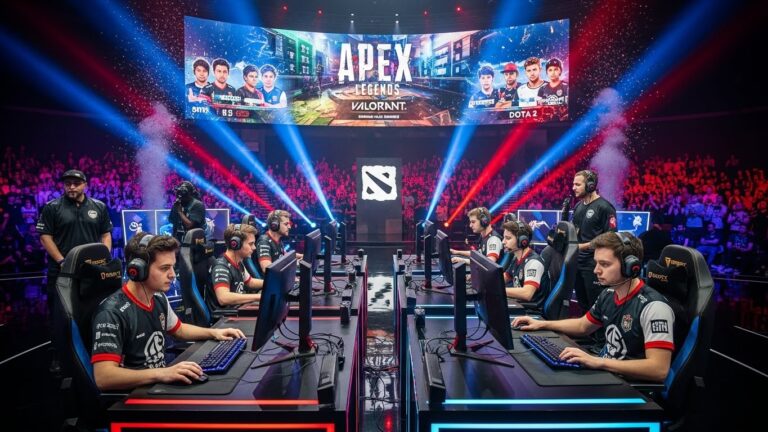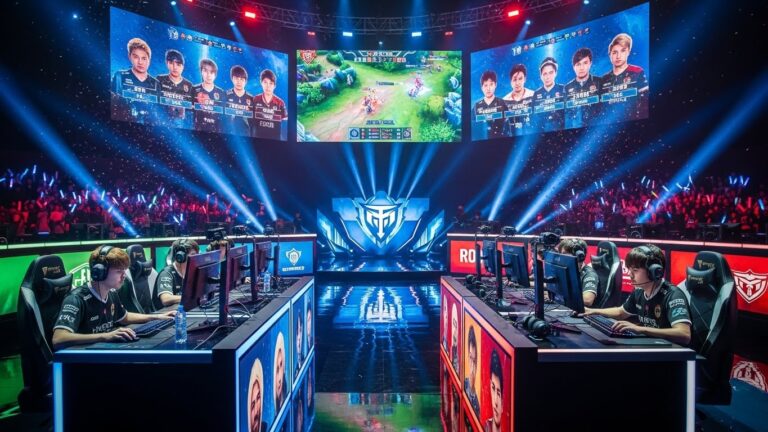

Esports, or electronic sports, has grown from a small hobby for dedicated gamers to a global industry commanding millions of viewers, professional players, and multi-million-dollar tournaments. The journey of esports reflects not only the rise of competitive gaming but also broader societal changes driven by technology, media, and culture. What was once a niche pastime has now become a legitimate career path, a form of entertainment, and a cultural movement. The evolution of esports showcases how passion, skill, and innovation can redefine the boundaries of sports and entertainment.
The Early Beginnings of Competitive Gaming
Competitive gaming traces its roots back to the late 1970s and early 1980s. Early arcade games like Space Invaders, Pac-Man, and Donkey Kong provided players with the opportunity to test their skills against others, often by competing for the highest scores. These competitions were informal yet drew large audiences in arcades, creating a sense of community and rivalry.
One of the earliest major gaming competitions was the 1980 Space Invaders Championship held in the United States. Thousands of participants competed in what would become the blueprint for future organized tournaments. These early events showcased how video games could bring people together, spark competition, and create shared experiences among players and spectators alike.
The Rise of LAN Parties and Early Tournaments
The 1990s marked a significant turning point for competitive gaming with the advent of personal computers and multiplayer games. Titles like Doom, Quake, and Warcraft III allowed players to connect over Local Area Networks (LANs), competing in real time against friends and rivals. LAN parties became cultural phenomena, with participants traveling long distances to compete and socialize.
These events laid the foundation for modern esports by establishing the concept of organized competition, teamwork, and strategy. Players honed their skills, learned to communicate effectively, and developed strategies that went beyond mere reflexes. Early tournaments, though modest compared to today’s productions, demonstrated the potential for gaming as a spectator sport.
South Korea and the Professionalization of Esports
South Korea played a pivotal role in transforming esports into a professional industry. In the late 1990s and early 2000s, StarCraft: Brood War became a national obsession. Professional players achieved celebrity status, earning salaries and sponsorship deals. Television programs dedicated to StarCraft competitions broadcast matches to millions of viewers, turning esports into mainstream entertainment.
The infrastructure developed in South Korea included professional leagues, team management, and rigorous training regimens. Players trained for hours daily, focusing on strategy, reflexes, and teamwork. The success of South Korean esports provided a model for other countries and demonstrated that gaming could be a sustainable professional career.
The Impact of Online Streaming Platforms
The rise of streaming platforms revolutionized the way esports is consumed and experienced. Platforms like Twitch, YouTube Gaming, and later Facebook Gaming allowed fans to watch professional matches live, interact with players through chat, and follow gaming personalities around the clock. Streaming made esports accessible to global audiences, fostering a sense of community and connection.
Streaming also created new revenue streams for players and organizations. Subscription models, donations, sponsorships, and advertising enabled players to earn income while engaging directly with fans. This model democratized esports, allowing talented individuals to build careers without relying solely on traditional tournaments or sponsorships. Social media amplified the reach, turning top players into influencers and celebrities with global followings.
Popular Esports Titles and Genres
Several games have been instrumental in shaping the esports landscape. Multiplayer Online Battle Arenas (MOBAs) like League of Legends and Dota 2 dominate competitive gaming with strategic depth, teamwork, and intense competition. First-Person Shooters (FPS) such as Counter-Strike: Global Offensive, Overwatch, and Call of Duty test reflexes, precision, and coordination.
Battle Royale games, including Fortnite and PUBG, introduced innovative formats and massive online communities. Fighting games like Street Fighter, Tekken, and Super Smash Bros. highlight individual skill and strategy. Strategy and card-based games, such as Hearthstone and Magic: The Gathering Arena, showcase analytical thinking and long-term planning. Each genre attracts dedicated fans and competitive communities, contributing to the diversity and growth of esports.
The Professionalization of Players and Teams
Esports has evolved into a structured professional industry. Players often follow rigorous training schedules similar to traditional athletes. They focus on physical conditioning, mental health, strategy, and teamwork to maintain peak performance. Nutrition, exercise, and recovery are now considered essential components of a professional gamer’s lifestyle.
Teams are managed like traditional sports franchises. Organizations hire coaches, analysts, psychologists, and support staff to optimize player performance. Contracts, sponsorships, and branding are carefully managed to maximize both financial and competitive success. Multi-game organizations operate across several titles, expanding influence and fan engagement. The professionalization of esports has legitimized it as a career and elevated the level of competition worldwide.
Major Esports Tournaments
Esports tournaments have become spectacles rivaling traditional sports events. The League of Legends World Championship draws millions of viewers worldwide, with stadiums packed with enthusiastic fans. Dota 2’s The International is known for its record-breaking prize pools, often exceeding thirty million dollars.
Other notable events include the Fortnite World Cup, Call of Duty League Championship, and Overwatch League Finals. These tournaments emphasize not only skill but also production value, with elaborate stages, professional commentary, and entertainment segments for spectators. The rise of esports events has created opportunities for sponsorship, media partnerships, and international fan engagement.
Esports and Traditional Sports Integration
Traditional sports organizations have increasingly recognized the potential of esports. Football clubs, basketball teams, and other franchises have established esports divisions, participating in virtual leagues and tournaments. The NBA 2K League exemplifies this integration, merging professional basketball with competitive gaming.
This collaboration benefits both industries. Traditional sports gain access to younger, digitally native audiences, while esports players and organizations receive increased legitimacy and financial support. Cross-industry sponsorships and marketing campaigns further enhance visibility and revenue opportunities, creating a symbiotic relationship between traditional and electronic sports.
The Economic Landscape of Esports
Esports has become a multi-billion-dollar industry with diverse revenue streams. Sponsorships, advertising, ticket sales, merchandising, media rights, and streaming subscriptions contribute to the economic impact. Brands target esports audiences due to their engagement, loyalty, and demographic appeal, creating lucrative partnerships with teams, tournaments, and players.
Professional players earn income through tournament winnings, streaming, and brand collaborations. Esports organizations reinvest in infrastructure, talent acquisition, marketing, and content creation, fueling further growth. The economic influence of esports extends beyond players and teams, supporting ancillary industries such as event production, gaming hardware, and digital media.
The Culture and Community of Esports
Esports has developed a vibrant culture and passionate community. Fans engage deeply with games, following professional players, teams, and tournaments. Online forums, social media groups, and fan-created content foster discussion, debate, and creativity. Memes, chants, and rituals create shared identities among communities, building loyalty and connection.
Streaming platforms enhance this engagement, allowing fans to interact directly with players and personalities. Amateur competitions, fan tournaments, and online leagues provide opportunities for participation and skill development. The participatory nature of esports distinguishes it from traditional sports and strengthens its cultural significance.
Challenges Facing Esports
Despite its rapid growth, esports faces challenges. Player burnout, mental health issues, and physical strain are ongoing concerns, as professional gamers often train for extended hours under high pressure. Organizations are increasingly prioritizing wellness programs, mental health support, and ergonomic considerations to ensure longevity and performance.
Regulation and governance remain complex. Ensuring fair play, combating cheating, and addressing issues of doping, intellectual property, and contractual disputes require consistent oversight. Diversity and inclusion are also areas for growth, as esports works to provide equitable opportunities for women, underrepresented communities, and international players.
The Global Reach of Esports
Esports is a truly global phenomenon. South Korea, China, and Japan lead in competitive gaming culture, with well-established leagues and professional infrastructure. North America and Europe host major tournaments and boast extensive fan bases. Emerging markets in Latin America, Southeast Asia, and the Middle East are expanding rapidly, further increasing the industry’s global footprint.
International competitions foster collaboration and rivalry, with players traveling across continents for major events. Fans from diverse cultures connect through streaming and social media, creating a worldwide community united by shared passion for competitive gaming. This global reach highlights esports’ power as both a cultural and economic force.
Technological Advancements Shaping Esports
Technology has been critical to the growth of esports. High-speed internet, powerful computers, gaming consoles, and advanced graphics have made competitive gaming accessible and visually compelling. Streaming platforms, analytics software, and spectator tools enhance viewer experience and engagement.
Emerging technologies such as virtual reality, augmented reality, and artificial intelligence promise to further transform esports. Immersive experiences, personalized content, and AI-driven coaching tools could redefine training, competition, and fan interaction. Technology will continue to expand the boundaries of what is possible in esports, enhancing both gameplay and audience experience.
The Future of Esports
The future of esports is bright, with opportunities for growth, innovation, and mainstream recognition. Continued technological advancements will enable more immersive experiences, greater interactivity, and enhanced analytics for players and fans. Collegiate esports programs, scholarships, and youth leagues are expanding pathways for aspiring professionals.
Integration with traditional sports, entertainment, and media industries will continue to strengthen, providing legitimacy, resources, and visibility. Sustainability, diversity, and mental health initiatives will ensure the long-term viability and ethical development of the industry. Esports is poised to remain a significant cultural, economic, and social force for years to come.
Conclusion: Esports as a Cultural Revolution
Esports has evolved from casual gaming competitions to a global phenomenon with professional players, massive audiences, and billion-dollar tournaments. It combines skill, strategy, and technology in ways that challenge traditional notions of sports and entertainment. Beyond competition, esports fosters community, creativity, and innovation, connecting people across cultures and continents.
The rise of esports represents a cultural revolution, reflecting the power of technology and human passion. It demonstrates that gaming is more than a pastime—it is a legitimate career, a form of entertainment, and a unifying force. As the industry continues to grow and evolve, esports will shape the future of sports, media, and digital culture, leaving an enduring legacy on the world of competitive entertainment.
About the Author