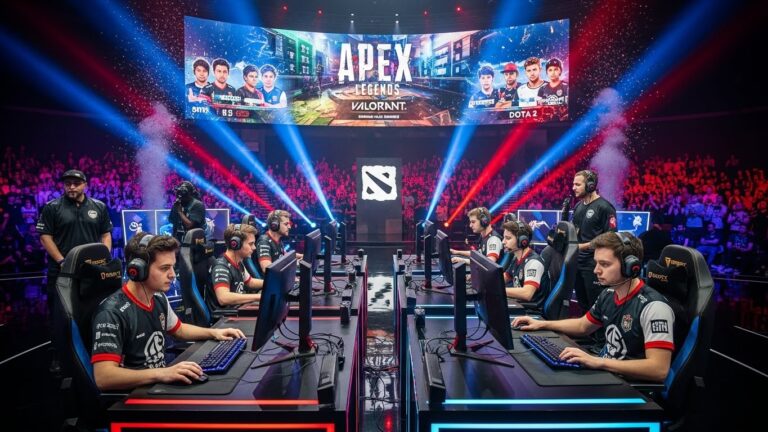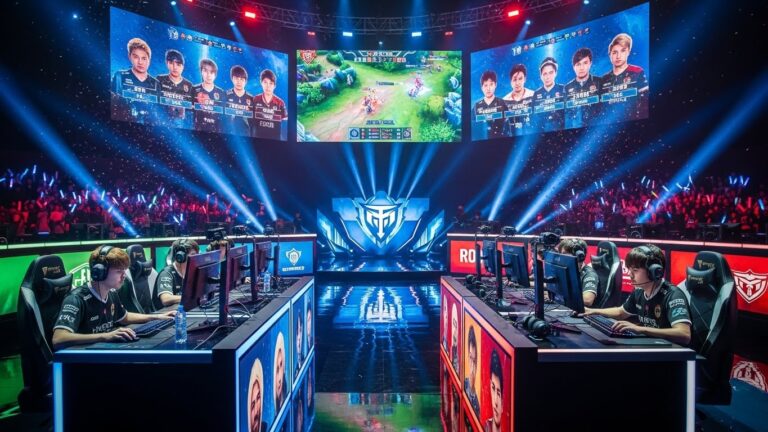
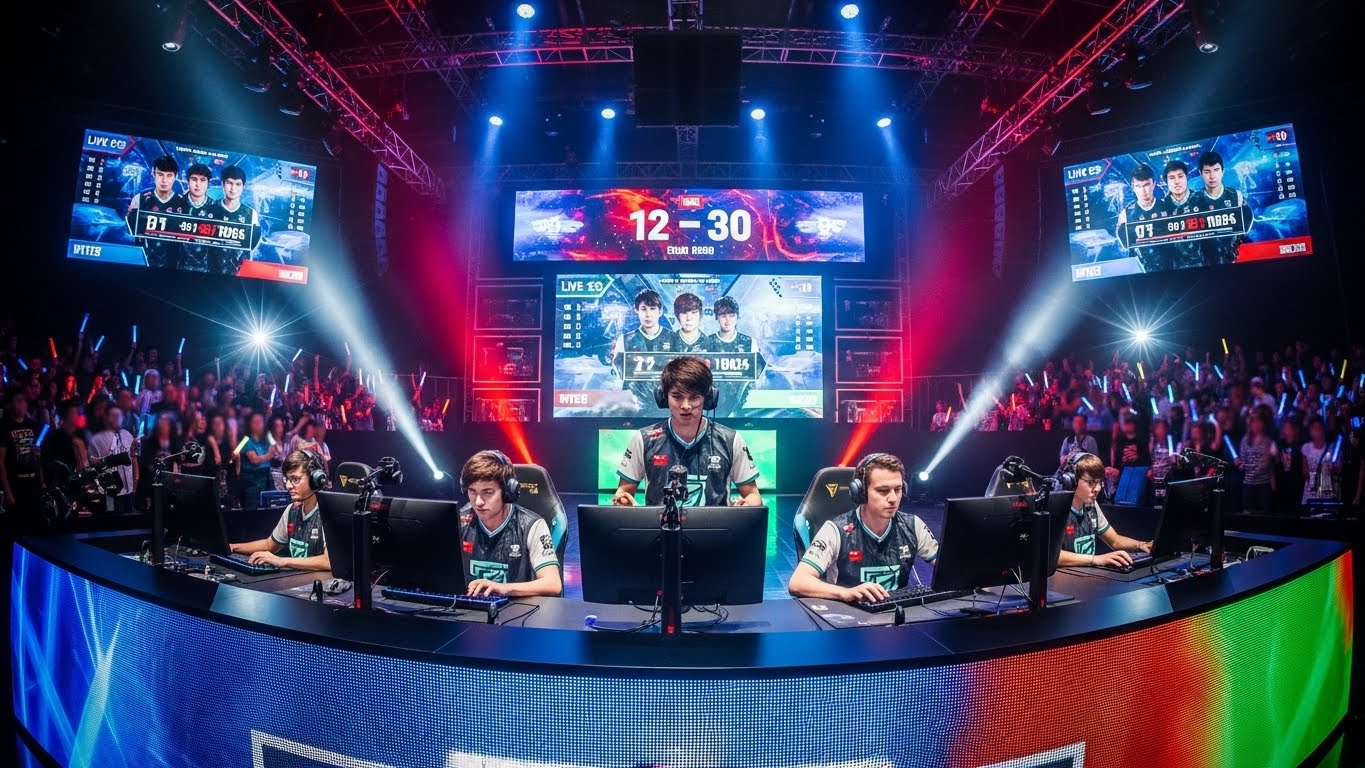
In the past two decades, esports has transformed from a niche hobby to a global industry. What once started as casual video game tournaments has now blossomed into a billion-dollar entertainment ecosystem. From humble beginnings in basements and local arcades to sold-out stadiums and multi-million dollar sponsorships, the rise of esports has been nothing short of revolutionary.
This blog post delves into the evolution of esports, examining its growth, impact, and the future of this digital phenomenon. With a focus on the key aspects of competitive gaming, industry developments, and the community that fuels its success, we aim to offer a comprehensive look at how esports has reshaped the world of entertainment.
The Origins of Esports
Esports, short for “electronic sports,” refers to competitive video gaming, where players or teams compete against each other in various multiplayer video games. Although competitive gaming has existed since the early days of video games, it wasn’t until the late 1990s and early 2000s that esports began to take shape.
The roots of esports can be traced back to the early competitive tournaments for arcade games like Space Invaders and Pong. However, these were small-scale events, mostly limited to regional competitions. The real turning point for esports came with the release of games like StarCraft, Quake, and Warcraft in the late ’90s and early 2000s. These games, known for their multiplayer capabilities and strategic depth, were perfect for competitive play.
One of the first major esports events was the Red Annihilation tournament in 1997, a Quake competition that attracted thousands of players and even offered a Ferrari as a grand prize. This marked the beginning of a growing interest in organized esports competitions, particularly within the FPS (First-Person Shooter) and RTS (Real-Time Strategy) genres.
The Rise of Esports: From Local Tournaments to Global Phenomenon
The early 2000s saw esports begin to grow beyond its grassroots origins. With the advent of faster internet connections and more accessible gaming platforms, online competitions became increasingly popular. Esports tournaments began to be broadcast online, allowing gamers from around the world to watch live matches and follow their favorite players or teams.
In 2000, the first World Cyber Games (WCG) was held in South Korea, bringing together players from different countries to compete in various games. The success of this tournament set a precedent for international esports events, and over time, many other tournaments like The International, League of Legends World Championship, and Overwatch League followed suit.
South Korea played a pivotal role in the rise of esports. With its early adoption of high-speed internet and a strong gaming culture, it became the epicenter of esports in the early 2000s. StarCraft, in particular, became a national obsession in South Korea, and the country began to establish professional esports leagues, such as the Korean e-Sports Association (KeSPA). By 2005, StarCraft tournaments were televised, and top-tier players achieved celebrity status.
As esports grew in popularity, so did the prize money. In 2011, the World Cyber Games had a prize pool of $1 million, signaling that competitive gaming could indeed be lucrative. It was around this time that esports gained legitimacy, with organizations, sponsors, and media outlets taking notice of the growing trend.
The Key Players: Professional Teams and Sponsorship
As esports evolved, professional teams began to emerge. These teams, composed of highly skilled players, started to receive recognition not only from fans but also from major corporations. The influx of sponsorships from companies like Coca-Cola, Intel, and Red Bull marked a new era for esports, one in which players could make a living doing what they loved.
Today, some of the most successful esports teams have become global brands. Team Liquid, Fnatic, Cloud9, G2 Esports, and T1 are just a few of the organizations that have built large followings around their teams. These teams field players across various games, from League of Legends and Dota 2 to Valorant and Counter-Strike: Global Offensive.
Sponsorships and partnerships with brands have become crucial for the financial stability of these teams. Companies, seeing the massive reach of esports, now invest heavily in these organizations. Esports tournaments are often broadcast on platforms like Twitch, YouTube, and even traditional TV networks, allowing sponsors to reach a global audience.
In addition to team sponsorships, individual players also enjoy lucrative endorsement deals. Star players, such as Faker (Lee Sang-hyeok) from League of Legends or Ninja (Tyler Blevins) from Fortnite, have transcended the gaming world to become mainstream celebrities. Their streams and social media accounts garner millions of views, making them highly sought-after by brands.
The Esports Community: A Global Network of Fans
Esports is not just about the players or teams—it’s about the fans. The esports community is a unique blend of gaming enthusiasts, casual fans, and die-hard followers who support their favorite teams, players, and games.
The rise of live-streaming platforms like Twitch and YouTube Gaming has allowed fans to engage with their favorite players and teams in real time. Fans watch live streams, interact in chat rooms, and participate in discussions across various social media platforms. Esports has become a highly interactive form of entertainment, with fans feeling a deep connection to the players they support.
The rise of content creators and streamers has further fueled this sense of community. Many professional players also maintain live-streaming channels where they interact with fans, offer insights into their training routines, or simply entertain. This direct communication between players and fans has helped solidify esports as more than just a spectator sport—it’s a shared experience that transcends traditional forms of entertainment.
Esports tournaments, too, have become massive events that draw thousands of spectators to arenas. The League of Legends World Championship, held annually, is one of the most-watched esports events in the world, with millions tuning in from across the globe. Major events are often held in huge stadiums, and the atmosphere is electric, with fans chanting and cheering for their favorite teams.
The Future of Esports: Trends and Innovations
The future of esports looks incredibly promising, with several trends indicating that it will continue to grow and evolve in exciting ways. Some of the most significant developments in esports include:
1. Esports as a Mainstream Sport
Esports is already considered a legitimate form of competition, but there are still hurdles to overcome for it to be fully recognized as a mainstream sport. However, with esports being featured in major events like the Asian Games (which included esports as a medal event in 2018), it’s clear that esports is gradually gaining acceptance as a legitimate sport.
2. Integration with Traditional Sports
The integration of esports with traditional sports is an area of major growth. Many traditional sports teams, such as those from football, basketball, and even baseball, are investing in esports. For example, Manchester City and Paris Saint-Germain have esports teams that compete in FIFA and League of Legends. This partnership helps bridge the gap between traditional sports fans and the esports community.
3. Mobile Gaming and Accessibility
With the rise of smartphones, mobile gaming has seen an explosion in popularity, especially in regions like Asia. Mobile esports, including games like PUBG Mobile, Free Fire, and Mobile Legends, are attracting huge audiences and creating opportunities for new esports leagues and tournaments. The accessibility of mobile games has expanded the esports audience to people who may not own a high-end gaming PC or console.
4. Virtual Reality and Augmented Reality
Virtual reality (VR) and augmented reality (AR) have the potential to revolutionize esports. While VR esports are still in the early stages, the technology is advancing rapidly. Imagine a future where esports tournaments are played in fully immersive environments, where players not only compete on screens but experience the game as if they were inside it.
5. Improved Infrastructure and Professionalization
Esports will continue to grow in terms of its infrastructure. As the industry matures, we can expect more professional organizations, educational programs, and career opportunities for individuals looking to pursue a career in esports. Universities around the world are beginning to offer scholarships for competitive gaming, and esports-specific arenas and training facilities are becoming more common.
Conclusion
Esports has come a long way since its humble beginnings in the 1990s. It has grown into a global phenomenon that captivates millions of people worldwide, offering competitive gaming not just as a pastime, but as a legitimate career. The rapid growth of esports has been fueled by a combination of technological advancements, cultural shifts, and a passionate community of players, fans, and sponsors.
As we look to the future, it’s clear that esports will continue to evolve and expand into new territories. Whether it’s through the integration of traditional sports, the rise of mobile gaming, or the advent of new technologies like VR and AR, the digital revolution of esports is just getting started. One thing is for sure: esports is here to stay, and its impact on the world of entertainment will only continue to grow.
About the Author