Introduction
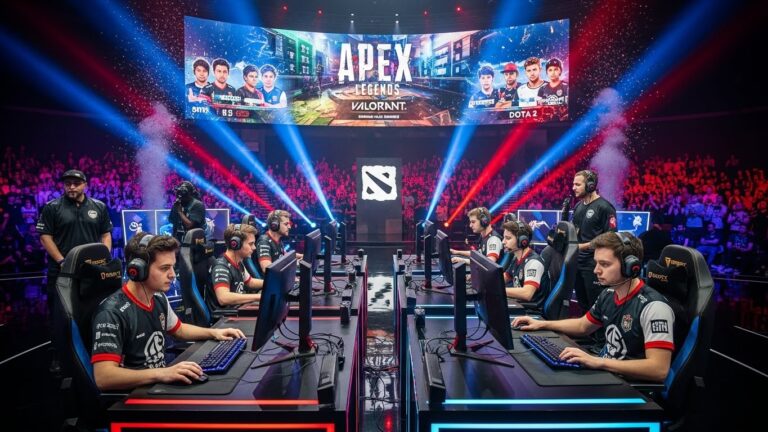
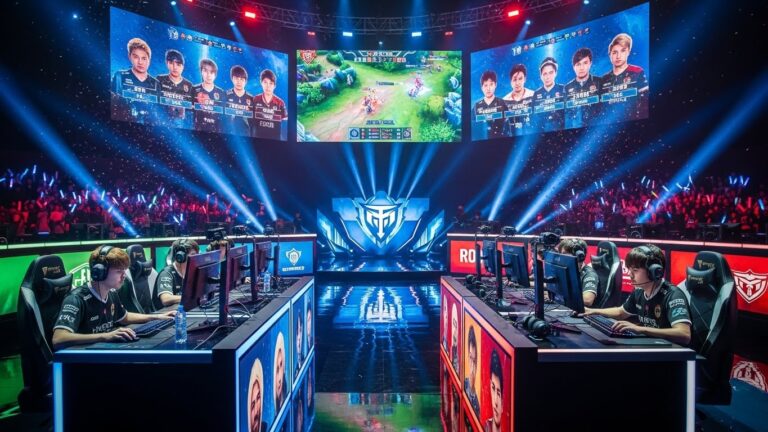
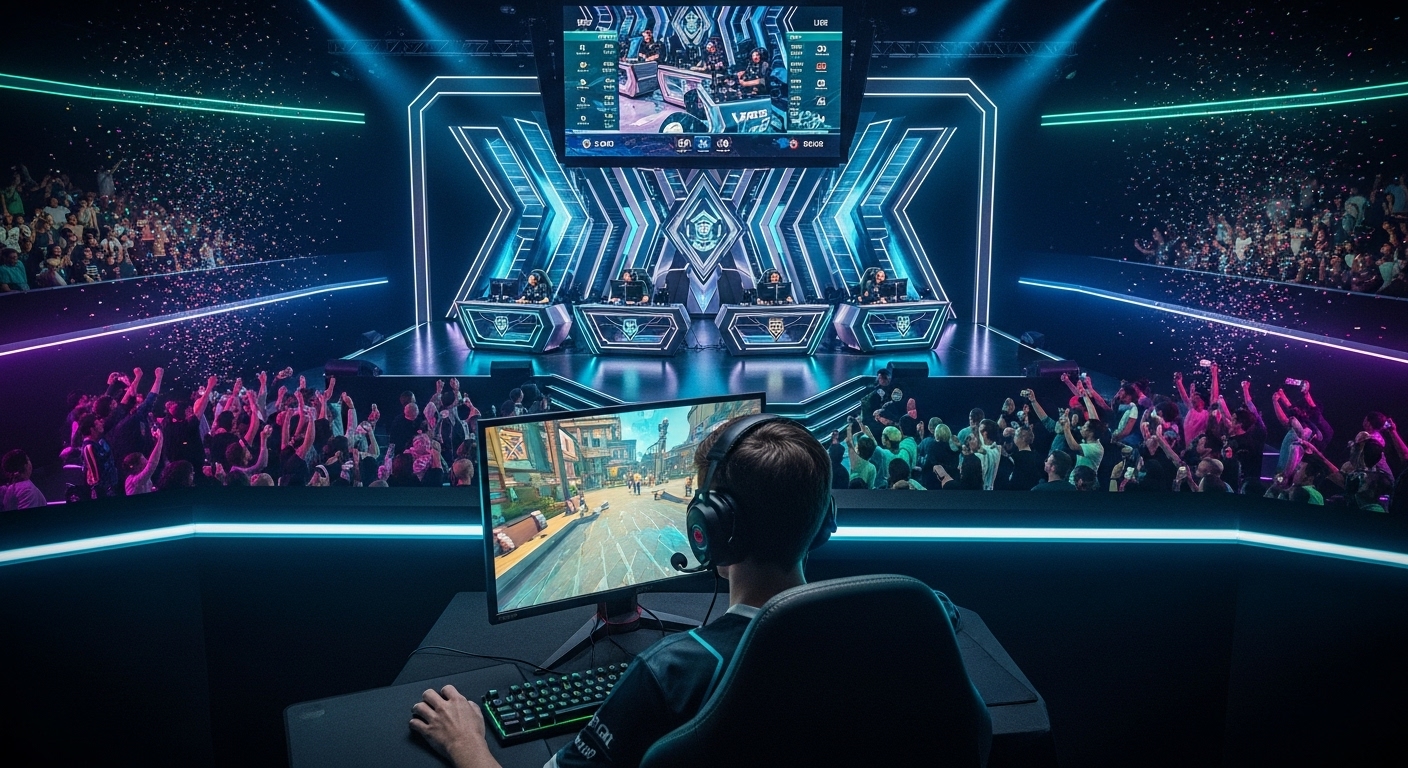
In the past two decades, few cultural movements have grown as explosively as esports. Once dismissed as a niche pastime confined to dimly lit gaming cafés and basement LAN parties, competitive video gaming has become a multibillion-dollar global industry. Esports has transformed entertainment, technology, and even education, creating new career paths and reshaping how millions of people engage with digital competition. What began as a gathering of a few dedicated gamers has evolved into a spectacle that fills arenas, garners international sponsorships, and draws online audiences that rival those of traditional sports.
The journey of esports reflects more than just technological progress—it mirrors changes in society, culture, and the way humans interact with the digital world. To understand how esports achieved this unprecedented level of success, we must explore its origins, evolution, challenges, and the future it promises.
The Early Roots of Esports
The concept of organized video game competition is not as new as it may seem. The earliest known video game tournament took place in October 1972 at Stanford University, where students competed in the game Spacewar! for a year’s subscription to Rolling Stone magazine. Although this may seem modest compared to today’s multimillion-dollar prize pools, it marked the birth of a new competitive frontier.
By the 1980s, as arcade games gained popularity, so did high-score competitions. Titles like Pac-Man, Donkey Kong, and Space Invaders drew players eager to see their initials appear on leaderboards. In 1980, Atari held the Space Invaders Championship, attracting over 10,000 participants across the United States—one of the first large-scale gaming competitions in history.
These early events were rudimentary compared to modern tournaments, but they established a foundation: players loved to compete, and audiences loved to watch. The seeds of esports had been planted.
The Rise of Competitive Gaming in the 1990s
The 1990s marked a pivotal decade for gaming and esports. The rise of personal computers, home consoles, and local area networks (LANs) revolutionized multiplayer experiences. For the first time, players could connect directly and compete without being in the same room. Games like Doom, Quake, and StarCraft became icons of competitive gaming culture.
LAN parties became the breeding ground for many future esports legends. The competitive scene began to organize itself, with small tournaments giving birth to structured leagues and online ladders. Quake in particular played a major role, with professional players like Dennis “Thresh” Fong gaining celebrity status. Thresh famously won a Ferrari from Quake’s creator, John Carmack, after dominating a tournament—an event that symbolized the growing prestige of gaming competition.
Meanwhile, in Asia—particularly South Korea—esports began to flourish at an even faster pace. The 1997 Asian financial crisis left many young people seeking affordable forms of entertainment, and PC cafés (known as “PC bangs”) offered a social and competitive outlet. StarCraft, released in 1998, became a cultural phenomenon. Professional leagues, sponsorships, and televised matches followed, setting the stage for South Korea to become the epicenter of modern esports.
The 2000s: Esports Goes Global
The early 2000s saw the rise of internet connectivity and online multiplayer gaming, catapulting esports into the global spotlight. Titles like Counter-Strike, Warcraft III, and Halo created international communities that competed across borders. Major tournaments like the Cyberathlete Professional League (CPL) and World Cyber Games (WCG) gave esports its first taste of worldwide legitimacy.
South Korea continued to lead the charge, with organizations like the Korean e-Sports Association (KeSPA) professionalizing the scene. Television channels began broadcasting matches, and professional players became household names. Fans filled stadiums to watch StarCraft battles, a sight unimaginable just a decade earlier.
In the West, however, esports faced slower acceptance. Traditional media often ridiculed professional gamers, and infrastructure was less organized. But with the growth of broadband internet and the emergence of new competitive titles, the scene began to thrive. Games like Dota, Counter-Strike 1.6, and Call of Duty drew large, dedicated communities, while console esports developed through titles such as Halo 2 and Super Smash Bros. Melee.
The decade also introduced the idea of esports as a potential career path. Professional teams, sponsorship deals, and prize pools became more common, paving the way for the industry to expand beyond grassroots tournaments.
The Streaming Revolution
One of the most transformative developments in esports history was the rise of live streaming. Before platforms like Twitch and YouTube Gaming, fans had limited access to competitive matches. They had to rely on recorded videos, television broadcasts, or clunky, low-resolution livestreams.
When Twitch launched in 2011, it fundamentally changed how gaming content was consumed. Suddenly, anyone could broadcast gameplay to a global audience, and fans could watch their favorite players live, interact with them in chat, and become part of a growing community. This democratization of broadcasting turned esports from a niche event-based phenomenon into a continuous global conversation.
Streaming also blurred the line between competition and entertainment. Professional players became influencers and entertainers, building personal brands that attracted sponsorships and massive fan followings. Viewership numbers skyrocketed, and esports tournaments began rivaling the world’s biggest sporting events in terms of audience engagement.
The Golden Era of Esports (2010s)
The 2010s marked the era when esports officially entered the mainstream. The industry began to see massive investments, professional organizations, and global tournaments with prize pools in the millions.
The MOBA Explosion
Two games defined this era more than any others: League of Legends and Dota 2. Both belong to the Multiplayer Online Battle Arena (MOBA) genre, and their impact on esports was monumental. League of Legends, released by Riot Games in 2009, quickly built a global competitive circuit with franchised leagues in multiple regions. Its annual World Championship drew millions of viewers, with the 2018 finals attracting more viewers than the Super Bowl.
Meanwhile, Valve’s Dota 2 introduced The International, an annual tournament with record-breaking prize pools funded by in-game purchases. By 2019, The International’s prize pool exceeded $34 million—making it one of the most lucrative events in all of sports, digital or otherwise.
The Rise of New Genres
While MOBAs dominated, other genres also found their footing in esports. Counter-Strike: Global Offensive became the standard for first-person shooters, with consistent tournaments and a devoted fan base. Fighting games like Street Fighter, Tekken, and Super Smash Bros. continued to thrive through grassroots communities and major events like EVO.
Later in the decade, the rise of battle royale games such as Fortnite and PUBG brought in a new generation of players and fans. Epic Games hosted the Fortnite World Cup in 2019, with a $30 million prize pool and a teenager, Kyle “Bugha” Giersdorf, walking away with $3 million for first place. Esports had officially become a cultural touchstone for youth worldwide.
The Business of Esports
Behind the excitement of tournaments and live streams lies a rapidly growing industry powered by sponsorships, media rights, merchandise, and ticket sales. Major brands—from energy drinks to luxury car companies—have invested in esports, recognizing its ability to reach young, tech-savvy audiences.
Esports organizations function much like traditional sports franchises. Teams such as Cloud9, Team Liquid, and Fnatic have built global brands, housing multiple rosters across various games. These organizations employ not only players but also coaches, analysts, marketing professionals, and content creators. Some have even partnered with traditional sports teams or celebrities, further legitimizing the industry.
Universities and colleges have also begun offering esports scholarships and academic programs focused on game design, marketing, and event management. This institutional support signifies esports’ recognition as a legitimate field of study and career path.
The Cultural Impact of Esports
Esports is not just about competition—it’s about culture. The rise of gaming influencers, streamers, and pro players has created new forms of digital identity and community. Fans gather both online and in person, forming passionate fandoms similar to those in traditional sports or music.
Esports has also broken down barriers between cultures. Players from different countries compete side by side, transcending language and geography. The global nature of online play fosters international friendships and rivalries alike.
Moreover, esports has challenged stereotypes. For years, gaming was seen as an antisocial hobby, but modern esports athletes demonstrate discipline, teamwork, and strategic thinking on par with traditional sports professionals. The physical and mental training required to perform at the top level is intense, with players often practicing 10 to 12 hours a day.
Esports and Traditional Sports: A Convergence
Initially, traditional sports organizations viewed esports as competition, but today, they often collaborate. Football clubs like Paris Saint-Germain, Manchester City, and FC Barcelona have their own esports divisions. The NBA launched the NBA 2K League, a professional esports league featuring virtual basketball teams backed by real NBA franchises.
This convergence is driven by mutual benefit. Traditional sports organizations gain access to younger audiences who are less engaged with conventional broadcasts, while esports gains credibility, resources, and exposure through association with established sports brands.
Both industries share similar business models—franchises, sponsorships, broadcasting rights—and both thrive on community and storytelling. The narrative arcs of rivalries, underdogs, and champions are universal, whether played on a physical field or a digital battlefield.
Challenges Facing the Esports Industry
Despite its explosive growth, esports faces several challenges that must be addressed for sustainable progress.
Player Health and Burnout
The intense practice schedules and pressure to perform can take a toll on players’ mental and physical health. Burnout is a significant issue, with many professional gamers retiring before age 25. Esports organizations are increasingly hiring psychologists, physical trainers, and nutritionists to support player well-being, but more needs to be done to ensure long-term careers.
Economic Sustainability
While the top-tier tournaments and teams attract enormous sponsorships, smaller scenes often struggle financially. The path to becoming a professional player remains uncertain, and only a fraction of competitors can make a stable living. Balancing profitability with accessibility is one of the industry’s ongoing dilemmas.
Inclusivity and Representation
Esports has made strides toward inclusivity, but gender imbalance remains stark. Female players and marginalized groups often face harassment and barriers to entry. Initiatives and women-only tournaments have been introduced to encourage diversity, yet the community continues to grapple with creating truly inclusive spaces.
Regulation and Governance
Unlike traditional sports, esports lacks a single governing body. Each game publisher controls its own competitive ecosystem, leading to fragmentation and inconsistent standards. Issues like cheating, match-fixing, and doping have emerged, prompting calls for unified regulation to preserve integrity.
The Educational and Social Value of Esports
Beyond entertainment, esports offers substantial educational and developmental benefits. Many schools and universities now recognize competitive gaming as a legitimate extracurricular activity, teaching teamwork, problem-solving, communication, and leadership.
Game-based learning programs incorporate esports to engage students in subjects like STEM, digital literacy, and media production. The analytical nature of games like League of Legends or StarCraft can sharpen strategic thinking and decision-making skills applicable far beyond gaming.
Furthermore, esports provides a social platform for connection. In an increasingly digital world, it allows people to build friendships, communities, and support networks. For many, participating in or watching esports is a shared cultural experience that transcends traditional social barriers.
The Technological Backbone of Esports
The success of esports is deeply intertwined with advancements in technology. High-speed internet, powerful gaming hardware, and sophisticated streaming infrastructure have made real-time global competition possible.
Developments in virtual reality, augmented reality, and artificial intelligence continue to push the boundaries of what esports can offer. Cloud gaming and low-latency streaming will make participation more accessible, allowing anyone with an internet connection to compete at high levels.
Esports also drives innovation in peripheral technology—monitors, keyboards, headsets, and gaming chairs designed for peak performance. The synergy between technology companies and esports organizations accelerates progress in both industries.
The Pandemic Effect: Esports in the Time of COVID-19
The COVID-19 pandemic of 2020 disrupted nearly every traditional sport, but esports adapted swiftly. With live events canceled, the competitive gaming world shifted online. Viewership surged as millions of people turned to esports for entertainment and social connection during lockdowns.
Traditional sports leagues even turned to esports as substitutes, hosting virtual tournaments featuring real athletes. Formula 1, FIFA, and the NBA organized digital competitions that blurred the line between physical and virtual sports.
This period demonstrated esports’ resilience and adaptability. While the lack of in-person events affected revenues, the industry’s digital foundation allowed it to thrive when others could not. The pandemic cemented esports’ role as a mainstream form of entertainment.
The Future of Esports
As we look ahead, the future of esports appears bright and boundless. The industry is projected to continue growing, driven by technological innovation, expanding audiences, and increasing institutional support.
We can expect to see further integration with virtual and augmented reality, creating more immersive spectator experiences. Artificial intelligence may revolutionize training by providing personalized performance analytics. Blockchain technology could enhance transparency in contracts, ticketing, and digital ownership through NFTs.
The line between esports and traditional sports will blur even more, with hybrid events combining physical and digital competition. Educational institutions will continue to adopt esports programs, nurturing the next generation of talent both in gameplay and in the supporting industries of broadcasting, design, and management.
Perhaps most importantly, the global accessibility of esports will continue to unite people across borders, cultures, and languages. It represents not just the future of competition, but the future of connection.
Conclusion
Esports has come a long way from its humble beginnings in university labs and arcade halls. What started as a pastime for a passionate few has evolved into a global cultural and economic powerhouse. It has redefined what it means to be an athlete, what it means to be a fan, and what it means to connect through shared digital experiences.
The world of esports continues to expand, fueled by innovation, creativity, and community. It is a testament to the human desire to compete, to connect, and to celebrate excellence—whether on a physical field or a virtual one.
As the boundaries between games and reality blur, one thing is certain: esports is not just the future of gaming—it is a defining part of our modern world. The story of esports is still being written, and its next chapter promises to be even more extraordinary.
About the Author