Introduction to Esports
Over the past two decades, esports has transformed from a niche hobby into one of the most influential entertainment and sporting industries in the world. What began as small local tournaments between friends playing classic titles like StarCraft, Counter-Strike, or Quake has evolved into a global ecosystem of professional players, massive organizations, multi-million-dollar sponsorships, and roaring stadium crowds. Esports today is not just about playing games—it’s about culture, business, technology, and global connection. It represents a new frontier in how humanity engages with competition and entertainment.
The Origins of Competitive Gaming
To understand the growth of esports, it’s important to look back at its roots. The first known video game competition dates to 1972 at Stanford University, where students competed in Spacewar! for a prize of a year’s subscription to Rolling Stone magazine. Through the 1980s and 1990s, competitive gaming existed in arcades and on home consoles, primarily as a casual pursuit. Games like Pac-Man, Donkey Kong, and Street Fighter II drew large audiences at local arcades, setting the foundation for organized competitive gaming.
The real turning point came with the rise of personal computers and the internet. LAN parties and early online servers in the 1990s allowed players to compete directly from their homes. Titles like Doom, Warcraft II, and Quake helped shape early online gaming communities. In South Korea, broadband infrastructure led to the explosive popularity of StarCraft, which became a national phenomenon and gave rise to the first professional esports players.
The 2000s: Esports Goes Global
By the early 2000s, esports began taking its first true steps into mainstream recognition. Global tournaments such as the World Cyber Games and Electronic Sports World Cup started to gain international attention. Professional gaming teams emerged, and brands started to take notice. The introduction of streaming platforms and video-sharing sites allowed fans to watch matches from around the world, which fueled an entirely new era of fandom.
Games like Counter-Strike 1.6, Warcraft III, and Dota shaped the first generation of global esports titles. Esports was no longer limited to local gatherings or small competitions—it became a worldwide spectacle.
The Rise of Streaming and Accessibility
A major turning point for esports was the rise of streaming platforms in the 2010s. Twitch, YouTube Gaming, and other live-streaming services allowed anyone to broadcast their gameplay, making esports content accessible to millions. Viewers could watch tournaments live, engage in chat discussions, and support their favorite teams in real time.
Streaming democratized gaming in a way that traditional sports never could. A talented player could rise from obscurity to fame purely through skill and dedication, without the need for physical venues or massive budgets. This accessibility gave birth to global stars and expanded the esports audience far beyond traditional gamers.
The Business of Esports
Today, esports is a billion-dollar industry encompassing tournament organizers, game publishers, sponsors, merchandise, and media rights. Major corporations such as Coca-Cola, Intel, and Mercedes-Benz have invested heavily in esports sponsorships. Media companies compete for broadcasting rights, while esports organizations build brand identities rivaling those of traditional sports teams.
Prize pools have reached astronomical levels, especially in games like Dota 2 with The International, which has offered tens of millions of dollars in winnings. The business of esports extends beyond the competitions themselves—it includes marketing, merchandise, live events, influencer partnerships, and game development strategies centered around competitive play.
Popular Esports Titles That Define the Era
Certain games have shaped the identity of esports and continue to dominate global stages.
League of Legends remains one of the most popular esports games worldwide. Its annual World Championship draws millions of viewers, with breathtaking production value and top-tier talent from every region. Counter-Strike 2 continues the legacy of its predecessors, maintaining its reputation as a tactical and strategic shooter where teamwork and precision are key.
Dota 2, known for its complexity and massive prize pools, remains a cornerstone of the esports community. Valorant has emerged as a modern favorite, combining fast-paced action with innovative game mechanics. Meanwhile, Fortnite redefined what competitive gaming could look like for casual audiences, blending creativity with competition in a way no game had before.
The fighting game scene, led by Street Fighter, Tekken, and Super Smash Bros., has also retained a passionate global following. Each of these titles contributes to the diversity and richness of esports culture.
Professional Players and Team Culture
Behind every great esports tournament are the players who dedicate their lives to mastering their craft. Professional gamers train for hours daily, developing strategies, communication, and mental endurance. Esports organizations now operate like professional sports franchises, complete with coaches, analysts, nutritionists, and psychologists.
Team culture has become an essential part of the esports experience. Organizations such as Team Liquid, T1, Cloud9, and Fnatic have built international fanbases. Their players are more than competitors—they are influencers, brand ambassadors, and role models for aspiring gamers.
Esports Arenas and Live Events
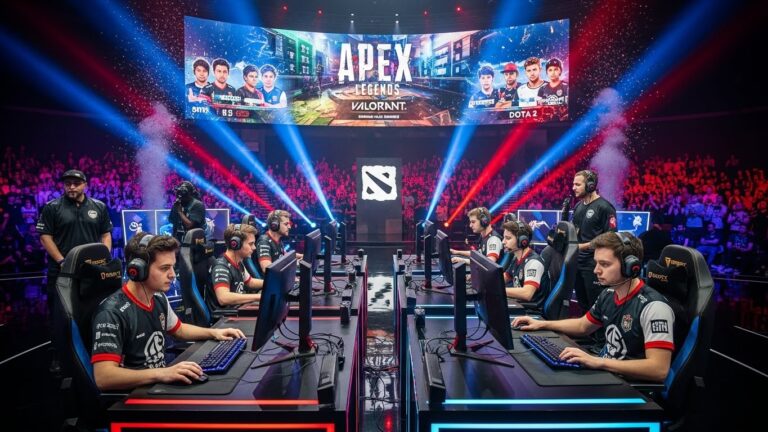
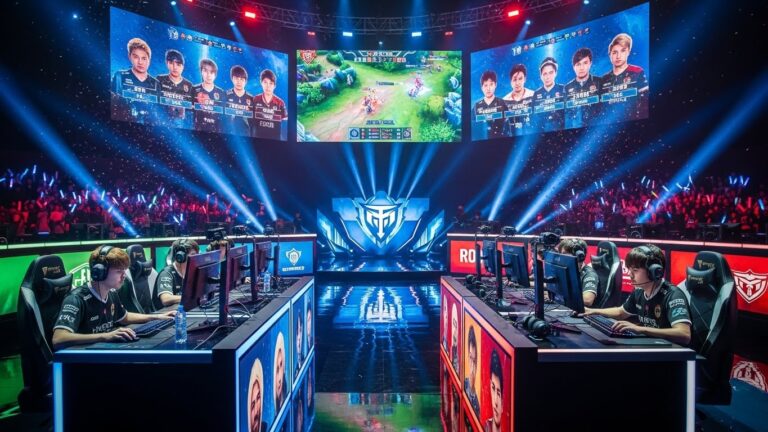
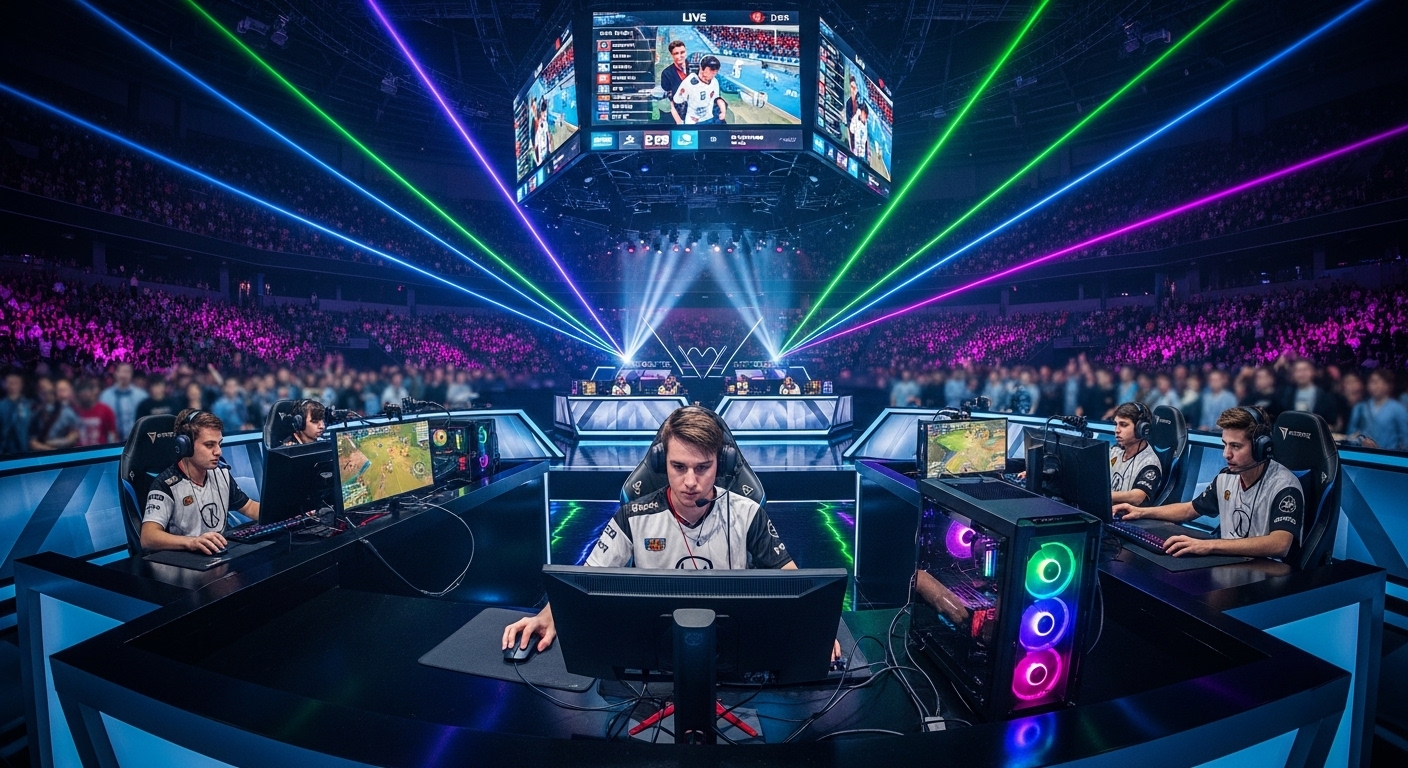
The physical presence of esports has grown dramatically. Massive stadiums are now filled with thousands of fans cheering for their favorite teams. Events like the League of Legends World Championship, The International, and CS2 Majors sell out arenas that once hosted traditional sports finals.
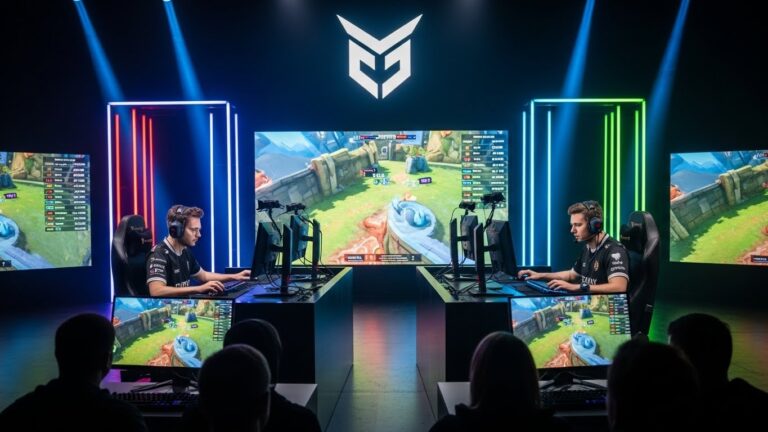
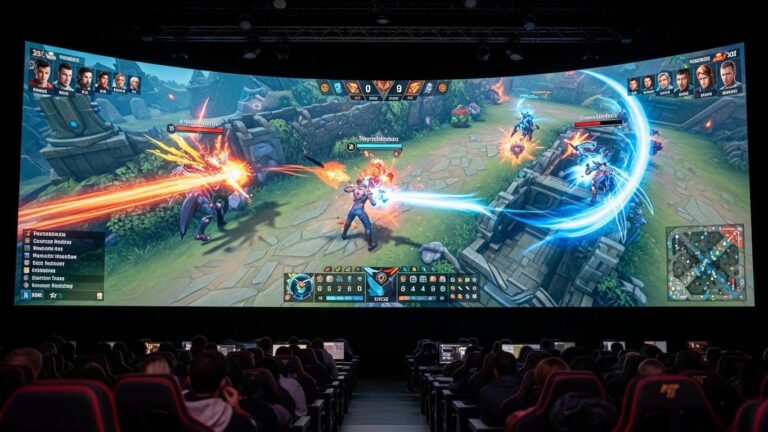
The production quality of these events rivals that of major concerts or television broadcasts. Giant screens, synchronized lighting, live commentary, and theatrical storytelling turn each match into a spectacle. Fans wave team banners, chant slogans, and experience the same emotional highs and lows as any other sport.
Esports and Traditional Sports Convergence
An interesting trend in recent years has been the convergence of esports and traditional sports. Professional athletes and sports organizations have invested in esports teams or leagues. For example, football clubs have launched their own esports divisions, and NBA teams have established official esports counterparts in games like NBA 2K.
This crossover reflects a growing recognition of esports as a legitimate form of athletic and strategic competition. Both industries share core principles: discipline, teamwork, and the pursuit of excellence. The physical and digital are no longer in competition—they are merging to create a more inclusive vision of sports entertainment.
The Role of Technology in Esports Growth
Esports is inseparable from technological innovation. High-performance hardware, low-latency networks, and advanced streaming capabilities have all contributed to the growth of competitive gaming. The rise of virtual reality (VR) and augmented reality (AR) is opening new possibilities for immersive experiences. Artificial intelligence is being used to analyze player performance, predict outcomes, and enhance viewer engagement.
Moreover, mobile gaming has introduced esports to entirely new demographics. Titles like PUBG Mobile and Mobile Legends: Bang Bang have created massive followings in regions where consoles and PCs were once less accessible. The global reach of mobile esports demonstrates how technology continues to democratize gaming culture.
Diversity and Inclusion in Esports
One of the most transformative aspects of esports is its potential for inclusivity. Unlike traditional sports, esports has a lower barrier to entry for people of all backgrounds, genders, and physical abilities. Female players, LGBTQ+ communities, and individuals with disabilities have found spaces in esports where they can compete and express themselves.
Initiatives promoting diversity are gaining momentum, as organizations recognize the importance of representation in gaming. Inclusive tournaments, mentorship programs, and diverse broadcasting teams are helping shape a more welcoming industry.
Esports Education and Career Opportunities
Esports has also entered the educational sphere. Universities around the world now offer esports scholarships, degrees in game design and management, and programs focusing on broadcasting or analytics. Students can pursue careers in event organization, content creation, marketing, and production—all centered around the esports ecosystem.
Beyond professional play, esports has opened doors for thousands of careers. From coaches and commentators to developers and event managers, the industry continues to expand its professional landscape. This growing infrastructure demonstrates that esports is not just entertainment; it is an economic and educational powerhouse.
Esports Journalism and Media Coverage
The storytelling around esports has become just as important as the games themselves. Journalists, analysts, and content creators document rivalries, player journeys, and cultural moments that define the scene. Esports journalism bridges the gap between fans and professionals, offering in-depth coverage, interviews, and insights that deepen appreciation for the competition.
Major media outlets now dedicate entire divisions to gaming coverage, while independent content creators have become influential voices within the community. The blend of professional reporting and fan-driven commentary gives esports its unique, decentralized form of media.
Psychology and Mental Health in Esports
As the stakes in esports have grown, so too has the focus on mental health. The pressure to perform, long practice hours, and online scrutiny can take a toll on players. Teams are now investing in sports psychologists to help players manage stress, maintain focus, and build resilience.
Mental health discussions have become more open within the community. Players share their experiences with burnout, anxiety, and performance pressure, helping break the stigma and encouraging healthier work-life balance. This growing awareness reflects the maturation of esports into a responsible, sustainable profession.
The Future of Esports: Beyond Competition
Looking ahead, the future of esports appears limitless. Virtual and augmented reality will continue to redefine the way players and audiences interact with games. The integration of blockchain and digital collectibles may reshape how teams and fans engage economically. Cloud gaming could make competitive play more accessible than ever before, removing hardware limitations.
Furthermore, the lines between esports, traditional sports, and entertainment will continue to blur. Crossover events, celebrity collaborations, and interactive broadcasts are shaping a hybrid form of engagement where viewers can both watch and participate. Esports is no longer just about who wins—it’s about storytelling, technology, and community.
Cultural Impact of Esports
Esports has changed the cultural perception of gaming. Once dismissed as a hobby, gaming is now a respected form of art, skill, and competition. Esports athletes are recognized in mainstream media, feature in advertising campaigns, and represent national pride on global stages. The sense of belonging and identity that esports creates transcends geography and language.
Communities have formed across continents, united by a shared love for games. Whether through local tournaments, online streams, or fan conventions, esports continues to foster creativity and connection. It represents the spirit of a generation that values digital collaboration and limitless imagination.
Conclusion: The Legacy of Esports
From small arcade competitions to international championships filling stadiums, the journey of esports is one of evolution, resilience, and innovation. It stands as a testament to how technology and passion can merge to create an entirely new form of global culture.
Esports is more than just gaming—it’s teamwork, creativity, and dedication. It’s the story of millions of players and fans building something extraordinary together. As we move into the future, esports will continue to redefine what competition means in the digital age, reminding the world that play, in all its forms, has the power to unite and inspire humanity.
About the Author