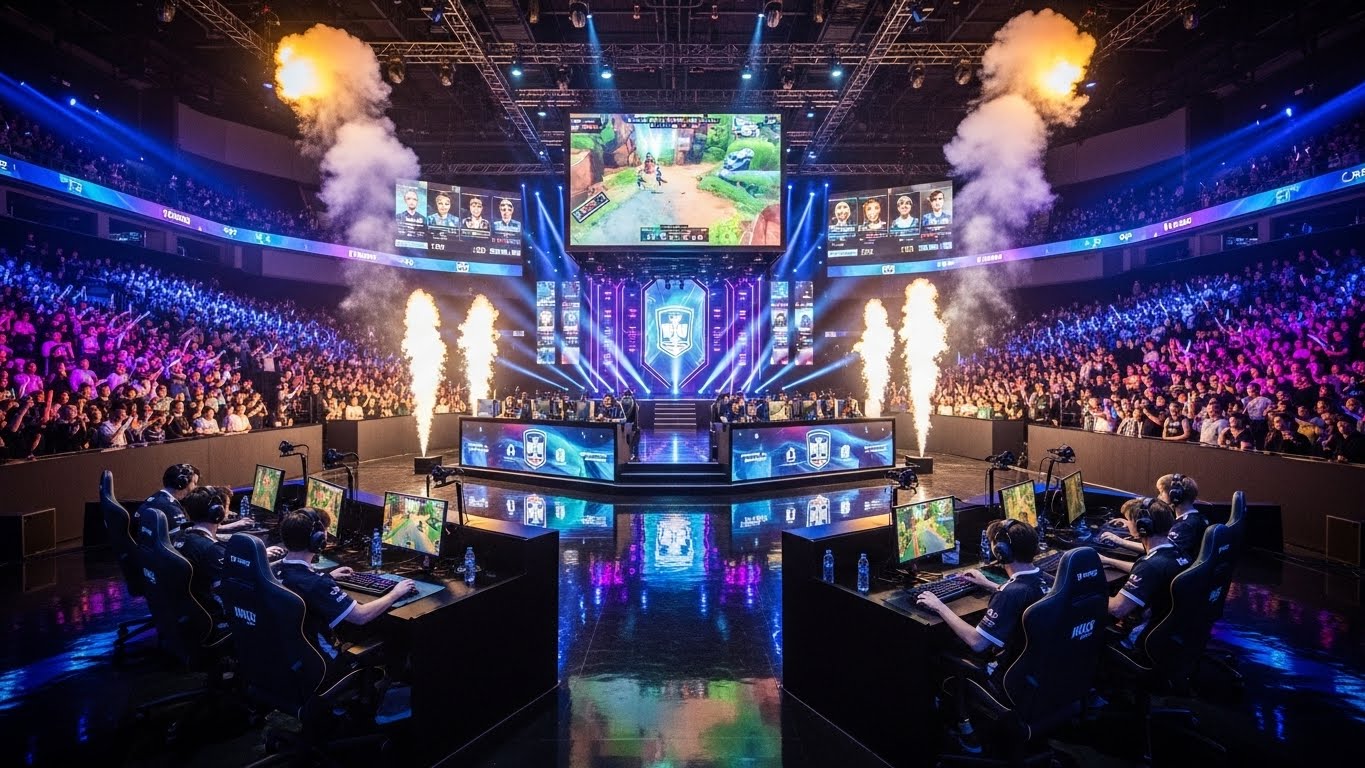
Introduction: The Rise of a Digital Spectacle
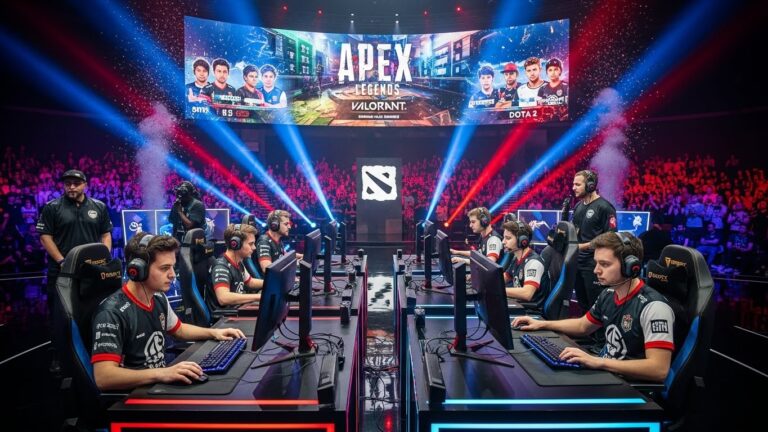
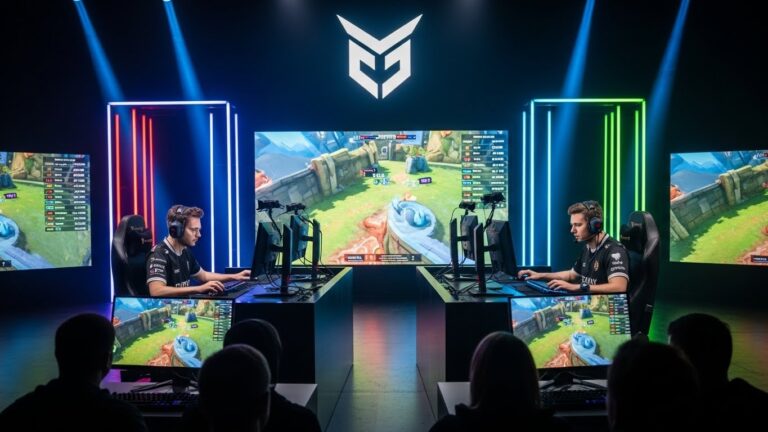
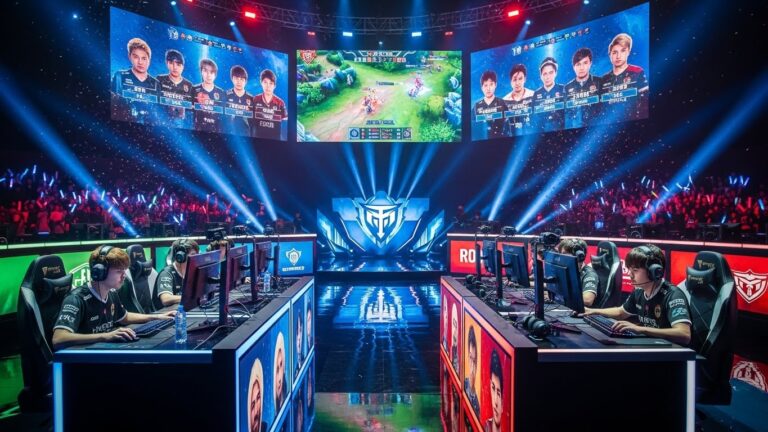
Esports, once a niche hobby enjoyed by small groups of dedicated gamers, has transformed into a global phenomenon that rivals traditional sports in popularity, revenue, and cultural influence. Competitive gaming is now a billion-dollar industry, attracting millions of viewers, inspiring professional careers, and reshaping entertainment as we know it. From arena-filled tournaments to online battles streamed worldwide, esports represents one of the most dynamic shifts in modern entertainment. Its growth reflects the evolving relationship between technology, competition, and community.
The Early Days of Competitive Gaming
The origins of esports trace back to the early 1970s when the first known video game competitions took place on university campuses. What began as student tournaments for classic titles evolved slowly over the years. The 1990s saw the rise of multiplayer games and LAN tournaments, where gamers gathered in person to compete. Games like first-person shooters and real-time strategy titles laid the groundwork for organized competitive gaming.
By the early 2000s, improvements in internet connectivity allowed players to compete online, making tournaments more accessible and global. Professional teams began to form, sponsors took notice, and esports started to transition from a casual pastime into a structured competitive ecosystem. Though small by today’s standards, these early efforts built the foundation for the global industry esports has become.
Technology: The Catalyst Behind Esports Expansion
The rapid growth of esports would not be possible without advancements in technology. High-speed internet, powerful gaming hardware, and sophisticated game design all contribute to the competitive landscape. Modern games are built with balance, fairness, and spectator experience in mind, allowing them to sustain organized tournaments at both amateur and professional levels.
Streaming technology has been particularly influential. Viewers from anywhere in the world can watch live matches, follow their favorite teams, and engage with communities in real time. This accessibility has played a key role in transforming esports into mainstream entertainment. Additionally, the rise of mobile gaming expanded esports beyond traditional PCs and consoles, making competitive gaming more inclusive and reaching vast new audiences.
Popular Esports Genres and Their Appeal
Esports encompasses a wide range of game genres, each offering unique styles of competition and requiring different skill sets.
Multiplayer Online Battle Arena Games
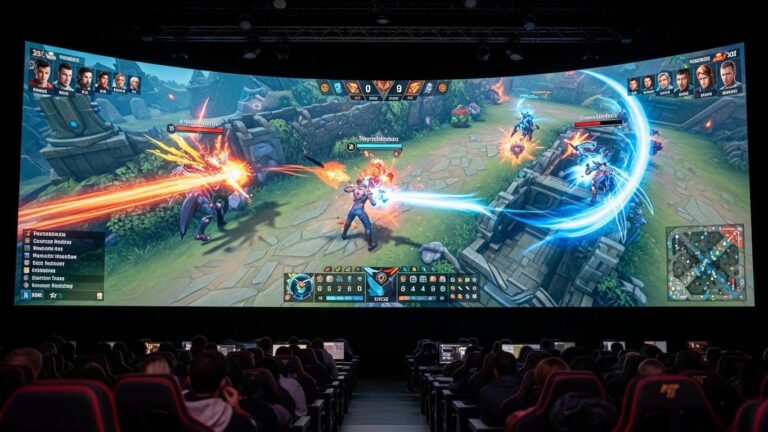
These games challenge players to work in teams, strategize, and outmaneuver opponents in fast-paced battles. They require strong communication, decision-making, and teamwork.
First-Person Shooters
These games test reflexes, accuracy, and tactical awareness. Professional players train extensively to perfect their aim, movement, and understanding of game maps.
Battle Royale Games
These titles offer unpredictable, high-stakes matches where survival is the ultimate goal. They combine elements of strategy, exploration, and combat with exciting pacing.
Sports and Racing Games
Some esports mirror traditional sports, allowing players to compete in virtual versions of football, basketball, or racing. These games attract fans who enjoy strategy and competition within familiar sports contexts.
Fighting Games
Fighting games emphasize precision, timing, and deep understanding of character mechanics. Tournaments for these titles often highlight individual player skill at the highest level.
Each genre appeals to different audiences, creating a diverse and interconnected esports ecosystem.
Esports as a Professional Career
In the modern esports world, becoming a professional player is a viable career path. Players train for hours each day, studying strategies, improving mechanics, and competing in scrims. Many talented players join esports organizations where they receive coaching, salaries, training support, and sponsorship opportunities.
Beyond players, esports offers careers in coaching, content creation, event production, broadcasting, analysis, and management. The industry supports hosts, commentators, camera operators, graphic designers, and strategists who help elevate the competitive experience. Esports organizations operate like traditional sports teams, employing professionals across various fields to maintain performance and fan engagement.
The Role of Community in Esports Growth
Esports thrives on community. Fans actively engage with their favorite teams, players, and content creators. Online forums, social media discussions, and live chat interactions create vibrant ecosystems where fans share strategies, predictions, and emotional reactions.
Gaming communities often drive the success of esports titles. Their feedback influences game balance, event formats, and competitive rules. Developers frequently collaborate with esports communities to enhance the competitive experience, making players feel valued and heard.
Moreover, grassroots tournaments help new players make their mark, allowing aspiring competitors to rise through the ranks. These community-driven events are vital for talent discovery and the long-term sustainability of esports.
The Global Appeal of Esports
Unlike many traditional sports that dominate specific regions, esports is a global force with universal appeal. Players and fans come from all parts of the world, united by their love for competition and gaming culture. International tournaments often feature teams from multiple continents, showcasing a diversity of playstyles and strategies. These events attract massive audiences and foster a sense of global community.
Esports also breaks down barriers of physical ability and geography. Anyone with access to a game and stable internet can compete, making it one of the most inclusive competitive platforms available. This inclusivity is a significant contributor to its widespread popularity.
The Educational and Cognitive Benefits of Esports
Esports is more than entertainment; it offers educational and cognitive benefits. Competitive games require strategic thinking, quick decision-making, teamwork, and communication. These skills are valuable both within and outside gaming.
Some educational institutions now recognize esports’ value by offering scholarships, training programs, and collegiate leagues. Students can develop leadership skills, time management, and discipline through structured competition and academic balance.
Furthermore, esports encourages technological literacy. Players and fans often learn about hardware, software, programming, and digital media, gaining skills relevant to the modern workforce.
Economic Impact of the Esports Industry
Esports generates billions in revenue through sponsorships, merchandise, advertising, ticket sales, and digital content. Major companies invest heavily in teams and tournaments, viewing esports as a powerful marketing avenue to reach younger audiences.
Venues specifically designed for esports events are being built worldwide, and major cities host annual tournaments that attract tourism and generate significant economic activity. Esports also drives innovation in technology, communication platforms, and digital entertainment, contributing to broader economic growth.
Challenges Facing the Esports Industry
Despite its success, esports faces challenges. Maintaining player health is a growing concern, as intense training schedules can lead to burnout or injuries. Ensuring fair play is another challenge, with the need to prevent cheating, hacking, or performance-enhancing abuse.
Industry regulation varies by region, creating inconsistencies in player contracts, age restrictions, and tournament standards. As esports continues to grow, establishing global standards will help protect players and ensure competitive integrity.
Monetization and sustainability also remain key topics. While the industry is profitable overall, individual teams and players may struggle financially without consistent sponsorship or winnings. Building sustainable business models is essential for long-term success.
The Future of Esports
The future of esports is bright and full of potential. Virtual reality competitions, advanced artificial intelligence training tools, and expanded mobile esports all point toward new frontiers. As technology evolves, so will the depth and quality of esports experiences.
Cross-platform play and cloud gaming will also enhance accessibility, enabling more players to join competitive environments regardless of device constraints. Additionally, collaborations between esports organizations, entertainment companies, and educational programs will further integrate esports into mainstream culture.
In the future, esports may become as widely recognized and respected as traditional sports, with larger stadiums, broader media coverage, and even more professional opportunities.
Conclusion: A New Era of Competition and Community
Esports represents a groundbreaking shift in how people play, compete, and connect. What began as friendly competitions among small groups of gamers has evolved into a global entertainment powerhouse fueled by technology, passion, and community. Esports bridges cultures, inspires careers, and provides unforgettable experiences for players and fans alike.
As the industry continues to grow and innovate, esports will remain at the forefront of modern entertainment, shaping the future of competitive gaming and redefining what it means to be a competitor in the digital age.
About the Author