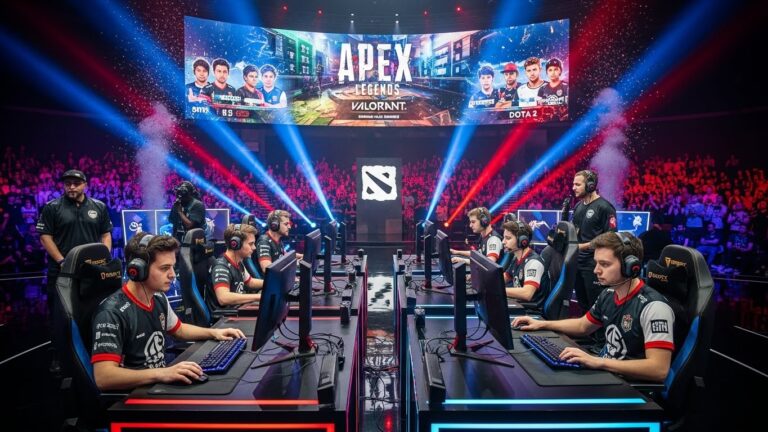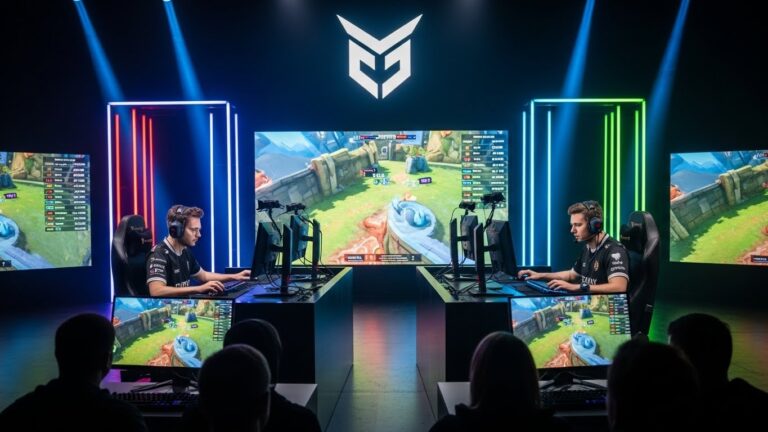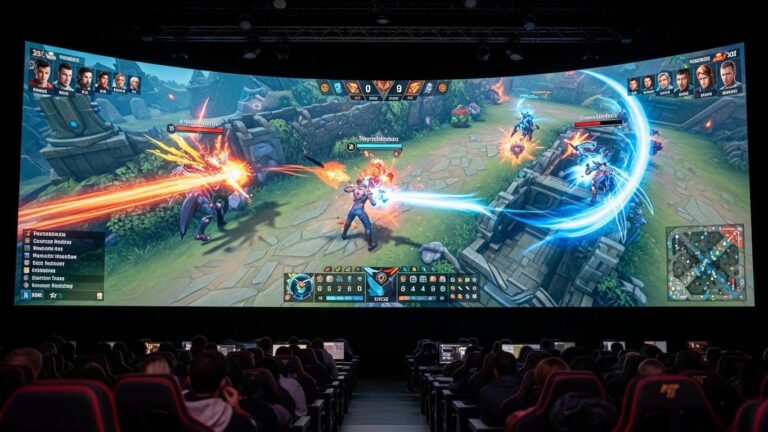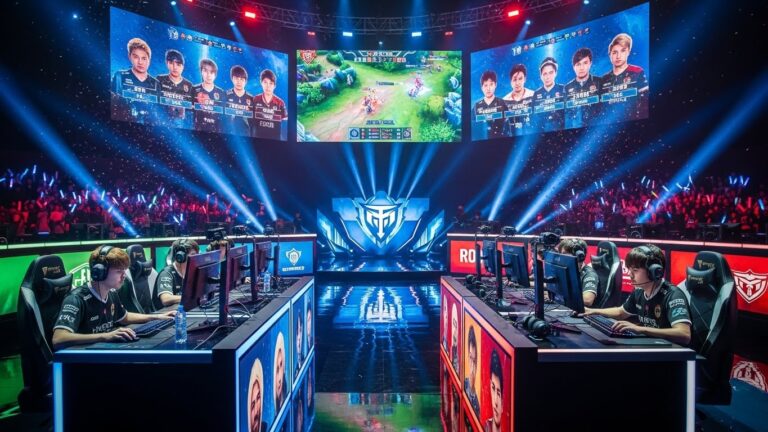

Esports has emerged as one of the most dynamic and rapidly growing sectors in entertainment. Once considered a niche hobby, competitive gaming now attracts millions of players and viewers worldwide. It combines skill, strategy, technology, and entertainment, transforming video games into a professional and cultural phenomenon.
The Origins of Esports
Esports traces its roots back to the early days of video gaming, when arcade competitions and local tournaments were common. With the rise of personal computers and high-speed internet, online multiplayer games began to flourish, creating opportunities for organized competition. Today, esports has evolved into a global industry with professional leagues, tournaments, and sponsorships rivaling traditional sports.
Popular Esports Genres
Competitive gaming spans multiple genres, each offering unique challenges. Multiplayer Online Battle Arenas (MOBAs) like League of Legends and Dota 2 require strategic teamwork and fast decision-making. First-Person Shooters (FPS) such as Counter-Strike and Valorant test precision and reflexes. Fighting games, sports simulations, and battle royale formats also contribute to the variety, appealing to players with different skills and play styles.
The Professional Esports Ecosystem
Esports is more than just playing games—it is a full-fledged professional ecosystem. Teams consist of players, coaches, and analysts who train rigorously to achieve peak performance. Tournaments are held both online and in live arenas, attracting large audiences and media attention. Sponsors, broadcasters, and content creators play essential roles, creating a thriving industry that offers career opportunities beyond just gameplay.
Technology Driving Esports
Technology is at the heart of esports’ growth. High-performance computers, advanced peripherals, and reliable internet connections are essential for competitive play. Streaming platforms allow millions of fans to watch live matches in real-time, while data analytics and AI tools help teams refine strategies and improve performance. The continuous evolution of gaming technology fuels the excitement and accessibility of esports.
Social and Cultural Impact
Esports has a significant social impact. It connects players and fans across the globe, creating communities around shared passion. Watching tournaments and interacting with players online fosters engagement and social interaction. Additionally, esports promotes skills such as teamwork, problem-solving, and strategic thinking, making it more than just entertainment—it is a platform for learning and personal growth.
The Future of Esports
The future of esports looks bright, with continued expansion expected in audiences, sponsorships, and global tournaments. Emerging technologies like virtual reality and augmented reality could create new competitive experiences, while advancements in AI may enhance player training and game analysis. As esports gains mainstream recognition, it will continue to redefine how we view competitive sports and digital entertainment.
Conclusion
Esports has transformed gaming into a professional and cultural powerhouse. Combining skill, strategy, technology, and entertainment, it engages millions worldwide and creates opportunities for players, teams, and fans alike. As the industry continues to evolve, esports will remain a driving force in shaping the future of competitive gaming and digital culture.
About the Author