
Introduction: The Phenomenon of Esports
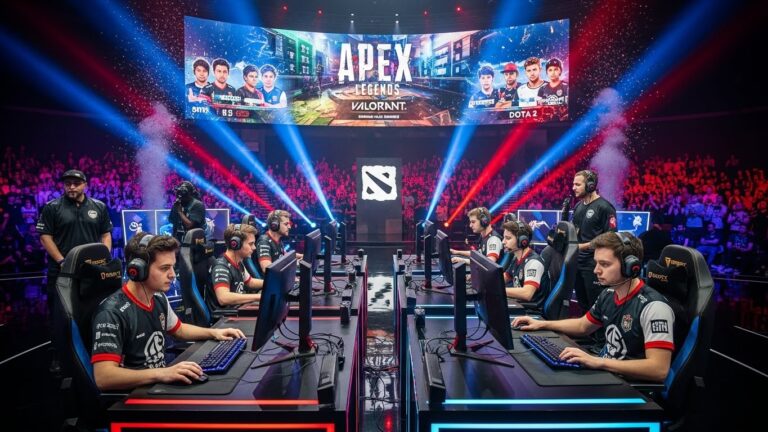
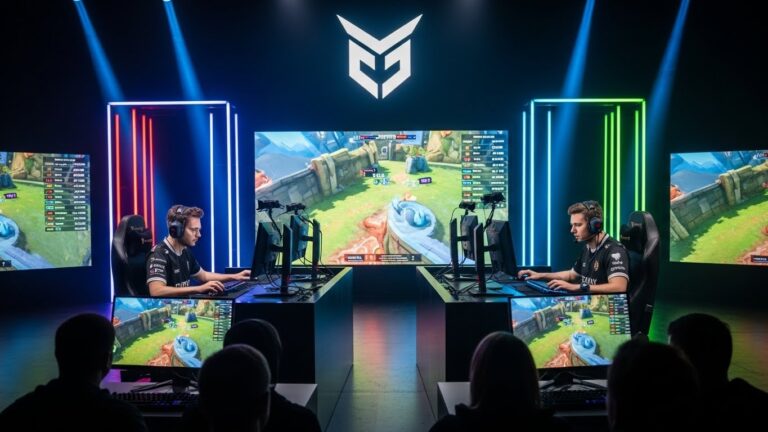
Esports, or electronic sports, has transformed from a niche hobby enjoyed by a small group of passionate gamers into a global phenomenon watched and celebrated by millions. Over the past two decades, competitive gaming has evolved into a legitimate sport with professional teams, massive audiences, and multi-million-dollar prize pools. It has become an industry that merges entertainment, technology, and athleticism in a unique way. This blog explores the journey of esports, its current landscape, the challenges it faces, and what the future holds for this captivating form of competition.
The Origins of Esports: Humble Beginnings
The roots of esports trace back to the 1970s and 1980s when video games first gained popularity. Early competitions were informal gatherings where players tested their skills on arcade machines or early home consoles. The famous Space Invaders Championship in 1980 was one of the first large-scale video game competitions, attracting thousands of participants and marking an important milestone.
As personal computers and the internet became more accessible in the 1990s, competitive gaming began to gain structure. Games like Doom, Quake, StarCraft, and Counter-Strike laid the foundation for the esports ecosystem, inspiring players to form teams and participate in tournaments. These early days were characterized by grassroots communities organizing events with limited resources but abundant passion.
The Evolution of Esports into a Global Industry
The 2000s witnessed a surge in the popularity of esports due to advancements in internet speed, streaming technology, and the development of highly competitive games. The introduction of online multiplayer modes allowed players to compete across the globe, creating a broader competitive environment.
The rise of streaming platforms like Twitch revolutionized how audiences consumed esports content. Fans could watch live matches, engage with commentators, and interact with other viewers, blurring the line between spectatorship and community participation. Major tournaments began attracting sponsors and media attention, pushing esports toward mainstream recognition.
The Modern Esports Ecosystem
Today, esports encompasses a complex and dynamic ecosystem involving players, teams, game developers, tournament organizers, broadcasters, sponsors, and fans. Each of these elements plays a critical role in the success and sustainability of competitive gaming.
Professional Players and Teams
At the heart of esports are the professional players. These individuals dedicate extensive hours to training, strategizing, and competing at the highest level. Esports athletes often undergo rigorous practice schedules similar to traditional sports professionals, honing not only their reflexes and game mechanics but also teamwork and mental resilience.
Teams operate as organized entities, employing coaches, analysts, and support staff to optimize performance. Player transfers, contracts, and sponsorships have become common, establishing esports as a viable career path for talented individuals worldwide.
Game Developers and Publishers
Unlike traditional sports, where the sport itself is independent of any one company, esports titles are owned by game developers and publishers. These entities control the rules, game balance, and official tournaments for their respective games. The influence publishers have can significantly impact the competitive scene, as changes to game mechanics or policies can alter the meta or the structure of leagues.
Popular esports titles include League of Legends, Dota 2, Counter-Strike: Global Offensive, Valorant, Fortnite, and Overwatch. Each game attracts different player bases and audience demographics, adding to the diversity of esports.
Tournament Organizers and Leagues
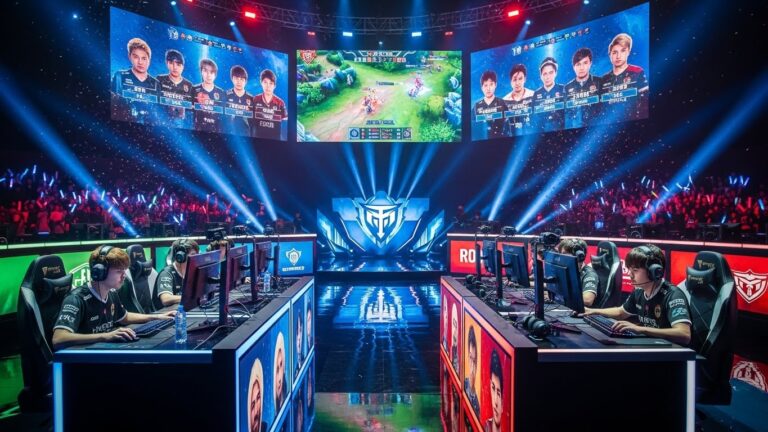
Tournaments range from local amateur events to large international championships. Organizers manage logistics, prize pools, broadcasting, and event promotion. Leagues like the Overwatch League and the League of Legends Championship Series (LCS) represent structured, franchised competitions that mirror the format of traditional sports leagues.
These leagues provide consistency for teams and players, helping to build fan loyalty and sustained interest throughout a season. Annual world championships for various games have become marquee events, drawing millions of viewers globally.
Broadcasting and Streaming Platforms
Streaming platforms are the lifeblood of esports viewership. These platforms provide accessibility, allowing anyone with an internet connection to watch live games, replays, and highlights. Commentators and analysts add depth and excitement to broadcasts, explaining strategies and fostering a connection between players and fans.
The interactivity of streaming, including chat functions and social media integration, creates a unique viewing experience that strengthens community bonds.
Sponsors and Brands
As esports audiences grew, so did the interest from sponsors and advertisers. Brands see esports as an opportunity to engage with a younger, tech-savvy demographic. Sponsorships range from in-game branding and jersey placements to event sponsorship and influencer partnerships.
Non-endemic brands such as car manufacturers, fashion companies, and financial institutions have entered the esports space, recognizing its growing influence.
The Fan Community
Perhaps the most vital component of esports is its fans. The global fanbase is diverse and highly engaged. Fans not only watch tournaments but participate in online forums, create content, and support their favorite teams and players through merchandise purchases and social media engagement.
Community support helps drive the industry, providing feedback and passion that energize players and organizers alike.
The Impact of Esports on Society and Culture
Esports has had a profound influence on contemporary culture and society. It has challenged traditional notions of sports and entertainment, carving out a space where digital skills are celebrated and rewarded.
Changing Perceptions of Competition and Skill
Esports requires remarkable dexterity, strategic thinking, and teamwork. This has helped legitimize video gaming as a skill-based activity worthy of respect. Esports athletes often serve as role models, inspiring young gamers to pursue their passion professionally.
Economic Contributions
The esports industry has generated significant economic impact, including job creation in event management, broadcasting, marketing, and game development. Prize money, sponsorship deals, and advertising revenue have created lucrative opportunities for players and companies alike.
Educational and Career Pathways
Colleges and universities have begun offering scholarships for esports athletes, and some have established competitive esports teams. The industry has also opened career pathways beyond playing professionally, such as casting, content creation, coaching, and event management.
Social Inclusion and Community Building
Esports brings together individuals from diverse backgrounds, promoting inclusivity and global connections. Online platforms allow players to interact regardless of geographic or cultural barriers, fostering friendships and teamwork.
Challenges Facing the Esports Industry
Despite its rapid growth and popularity, esports faces several challenges that must be addressed to ensure long-term success.
Player Health and Well-being
The intense training schedules and pressure to perform can lead to physical and mental health issues, including burnout, repetitive strain injuries, and stress. The industry is increasingly recognizing the importance of supporting player wellness through coaching, counseling, and regulated practice hours.
Governance and Regulation
As esports matures, the need for standardized rules, anti-cheat measures, and dispute resolution grows. The decentralized nature of esports means different games and tournaments often have varied regulations, which can create confusion and fairness concerns.
Sustainability of Revenue Models
Many esports organizations depend heavily on sponsorship and tournament winnings, which can be volatile. Developing diversified, sustainable revenue streams is critical for stability.
Technological Dependence
Esports relies on technology and infrastructure, including high-speed internet and powerful hardware. Regions with limited access face barriers to participation and growth.
Gender Diversity and Inclusion
While esports has made progress, it still struggles with gender imbalance and inclusivity issues. Encouraging more female participation and fostering safe, welcoming communities is essential for the industry’s health.
The Future of Esports: Trends to Watch
The esports landscape is constantly evolving. Several emerging trends promise to shape the future of competitive gaming.
Expansion into New Markets
Emerging economies in Asia, Latin America, and Africa are experiencing rapid growth in esports participation and viewership. As infrastructure improves, these regions may become key players on the global stage.
Mobile Esports
Mobile gaming dominates in many parts of the world due to the accessibility of smartphones. Mobile esports titles are gaining competitive legitimacy and attracting large audiences.
Integration of Emerging Technologies
Virtual reality and augmented reality have the potential to revolutionize esports by creating immersive spectator experiences. Artificial intelligence will enhance coaching, analytics, and broadcasting.
Hybrid Events and Increased Fan Engagement
The COVID-19 pandemic accelerated the adoption of online tournaments. Moving forward, hybrid events that combine live and virtual components will become standard, allowing wider fan participation.
Cross-Industry Collaborations
Esports will increasingly intersect with entertainment, music, and traditional sports, leading to innovative content and experiences.
Conclusion: Embracing the Digital Sporting Revolution
Esports is more than just video games played competitively; it represents a cultural shift in how we perceive competition, community, and entertainment in the digital age. Its rise from modest beginnings to a global industry mirrors the rapid advancement of technology and changing audience behaviors.
While challenges remain, the potential for esports to innovate, inspire, and unite is vast. Whether you are a player, fan, industry professional, or newcomer, engaging with esports offers a window into the future of sports and digital culture.
As esports continues to evolve, it will redefine what it means to be an athlete and how we connect through competition. The game is on, and the world is watching.
About the Author