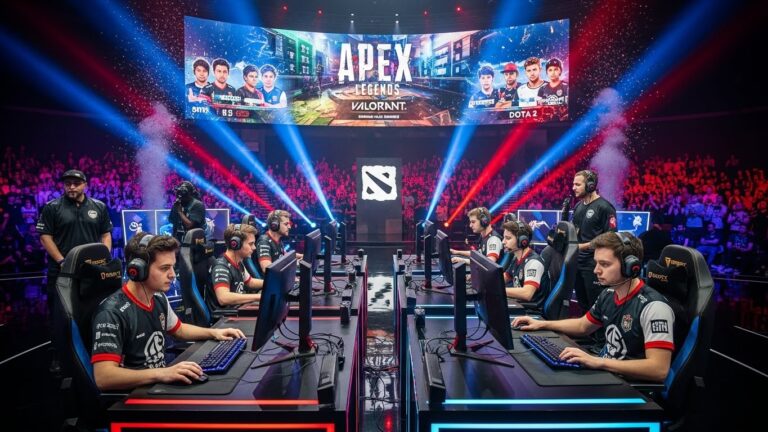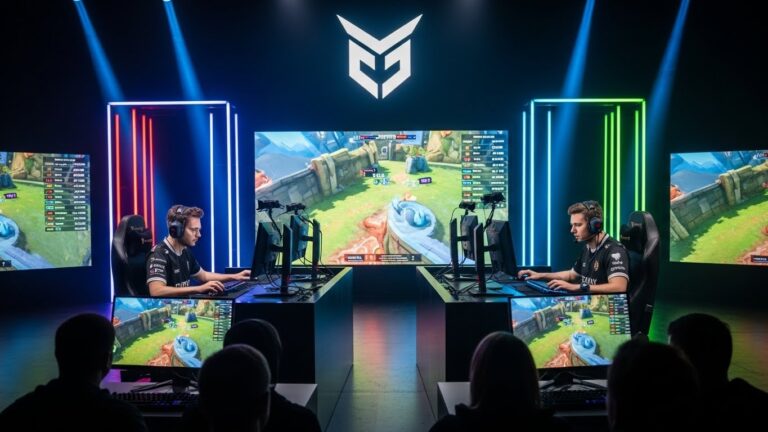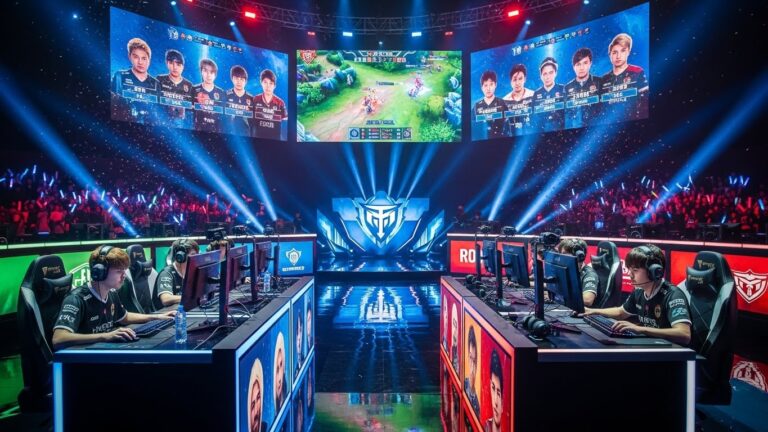
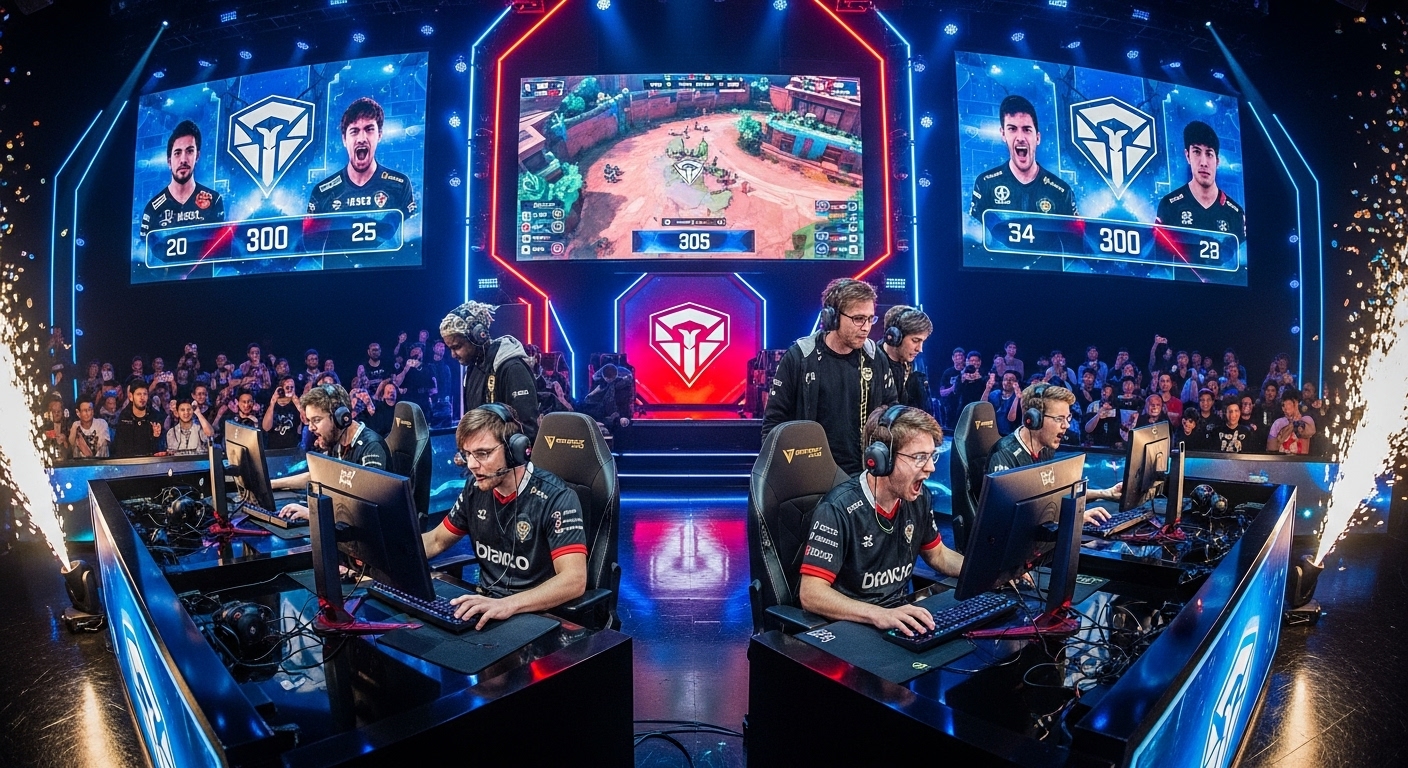
Esports has rapidly evolved from a niche hobby into a global phenomenon, reshaping entertainment, sports, and social culture in unprecedented ways. Competitive gaming is no longer just about playing video games; it has become a professional industry, a source of worldwide entertainment, and a platform for community and creativity. Millions of fans tune in to watch professional players compete, while young enthusiasts dream of joining the ranks of esports athletes. This blog explores the rise of esports, its cultural and economic impact, its professional ecosystem, and the promising future of this dynamic industry.
The Origins of Esports
The roots of esports trace back to the late 1970s and 1980s, when video games first became widely accessible. Early competitions were held in arcades or small college events, where players competed in games like Space Invaders and Pac-Man. One of the earliest recognized tournaments was the Space Invaders Championship in 1980, attracting thousands of participants across the United States. These early competitions showcased the appeal of competitive gaming, even when technology was limited.
During the 1990s, multiplayer games such as Doom, Quake, and StarCraft began to shape the modern esports landscape. Players could now compete online, honing strategies and skills against opponents from around the world. In South Korea, StarCraft tournaments gained massive popularity, establishing professional esports as a career path and creating a fan culture that celebrated both skill and strategy.
The 2000s marked the professionalization of esports, with organized leagues, sponsorships, and international tournaments. Titles such as Counter-Strike, League of Legends, and Dota 2 emerged as major competitive platforms, attracting global audiences. Today, esports encompasses diverse genres including first-person shooters, multiplayer online battle arenas, sports simulations, and fighting games, making it accessible and appealing to a broad spectrum of players.
Esports as a Professional Career
Esports has transformed gaming into a legitimate career option. Professional players dedicate extensive hours to practice, study game mechanics, and develop strategies. Like traditional athletes, they focus on both skill development and mental conditioning to maintain peak performance during high-stakes competitions.
Professional esports extends beyond players. Coaches, analysts, commentators, event organizers, and content creators all contribute to the industry, providing multiple career pathways. Many esports organizations operate similarly to traditional sports franchises, with management teams, training facilities, sponsorship deals, and marketing strategies. This professional ecosystem has created opportunities for individuals passionate about gaming to build sustainable careers.
The Global Esports Industry
Esports has grown into a multi-billion-dollar industry, generating revenue from sponsorships, advertising, merchandise, and tournament winnings. Major tournaments such as The International for Dota 2, the League of Legends World Championship, and the Fortnite World Cup draw millions of live viewers and online audiences worldwide.
Technology has played a critical role in this growth. Streaming platforms allow fans to watch live matches from anywhere, creating a global connection between players and audiences. Social media amplifies engagement, enabling fans to discuss strategies, share highlights, and follow favorite players in real time. The global accessibility of esports ensures that talent and entertainment can thrive across geographic and cultural boundaries.
Teams, Organizations, and Professionalization
Teams and organizations form the backbone of competitive esports. These entities recruit players, train them, and manage all aspects of their professional careers. Successful teams invest in physical training, mental health, and communication skills, recognizing that competitive gaming requires discipline and focus.
Esports organizations also focus on branding and marketing. Players serve as ambassadors, engaging with fans, promoting sponsors, and creating content that enhances the visibility of the team. By professionalizing every aspect of player development and management, esports organizations have elevated the credibility and global appeal of competitive gaming.
Popular Esports Titles and Their Appeal
Several esports titles dominate the competitive scene, each offering unique challenges and experiences.
First-person shooters like Counter-Strike: Global Offensive, Valorant, and Call of Duty require quick reflexes, precise aiming, and teamwork. Multiplayer online battle arenas such as League of Legends and Dota 2 emphasize strategy, coordination, and adaptability. Fighting games, including Street Fighter and Tekken, highlight timing, skill, and individual mastery. Sports simulation games like FIFA and NBA 2K connect traditional sports fans with esports, blending virtual competition with real-world sports culture.
These games foster passionate communities. Fans analyze gameplay strategies, create fan art, and engage in discussions that deepen their connection to the game and the players. This community-driven aspect is one of the most powerful elements of esports culture.
Esports as a Form of Entertainment
Competitive gaming is a form of entertainment that goes beyond the games themselves. Live broadcasts of tournaments feature commentary, analysis, and storytelling, making matches engaging even for casual viewers. The excitement of high-stakes competitions rivals traditional sports events, as fans celebrate victories, anticipate strategies, and follow rivalries.
Streaming platforms have transformed how esports content is consumed. Players broadcast their gameplay live, share tutorials, and interact with viewers, creating a dynamic form of entertainment. Esports personalities have become influencers, combining gameplay with social interaction to attract large audiences. The blend of competition, performance, and community engagement has made esports a compelling entertainment medium.
Esports and Education
Esports has also impacted education in significant ways. Many schools and universities now offer esports programs, providing students with opportunities to develop skills while pursuing their studies. Scholarships for esports players have become more common, allowing talented individuals to balance education and competitive gaming.
Academic programs focusing on game design, esports management, and digital media prepare students for careers in the industry. These programs teach event management, marketing, communication, and data analysis, equipping students with skills applicable both within and outside esports. Educational esports programs promote teamwork, critical thinking, and strategic problem-solving, demonstrating that gaming can be both enjoyable and intellectually enriching.
Health and Well-Being in Esports
The demands of professional esports bring challenges to physical and mental health. Long hours of practice, high-pressure competitions, and sedentary lifestyles can contribute to stress, fatigue, and physical strain.
Leading esports organizations prioritize the well-being of players. Training routines often incorporate physical exercise, balanced nutrition, and mental health support. Mindfulness practices and stress management strategies are used to maintain focus and resilience. By addressing these challenges, the esports industry promotes sustainable careers and reinforces the importance of health alongside competitive success.
The Future of Esports
The future of esports is full of promise and innovation. Emerging technologies such as virtual reality, augmented reality, and artificial intelligence will create more immersive and interactive gaming experiences. Cloud gaming will make high-quality esports accessible without expensive hardware, broadening the player base.
Esports is also gaining broader recognition as a legitimate sport. Governments, sports associations, and educational institutions increasingly support esports initiatives and tournaments. With professionalization, technological innovation, and growing global audiences, esports is poised to become a permanent fixture in both entertainment and sports.
Conclusion: Esports as a Cultural Phenomenon
Esports has evolved from small arcade competitions into a global industry that combines skill, strategy, entertainment, and community. It provides professional opportunities, fosters social interaction, and inspires creative expression. Competitive gaming is no longer a hobby—it is a cultural and professional force shaping modern entertainment.
As the industry continues to grow, esports will inspire new generations of players, fans, and creators. It reflects the intersection of technology, human creativity, and competition, offering experiences that are both thrilling and meaningful. Esports is more than games—it is a digital arena where talent, passion, and innovation collide, leaving an indelible mark on culture and society.
About the Author