Introduction
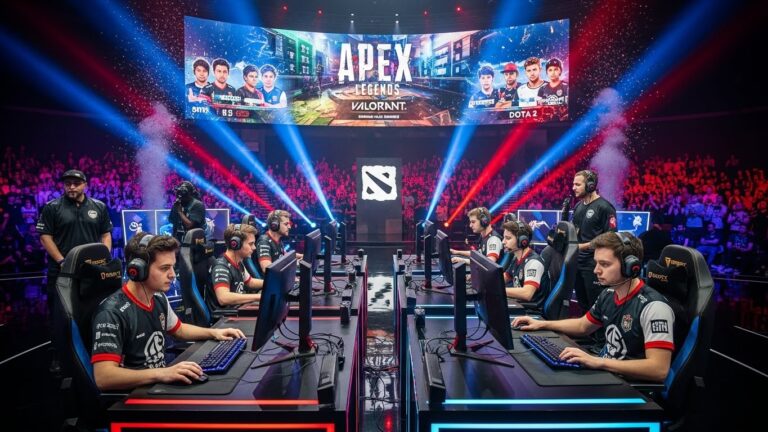
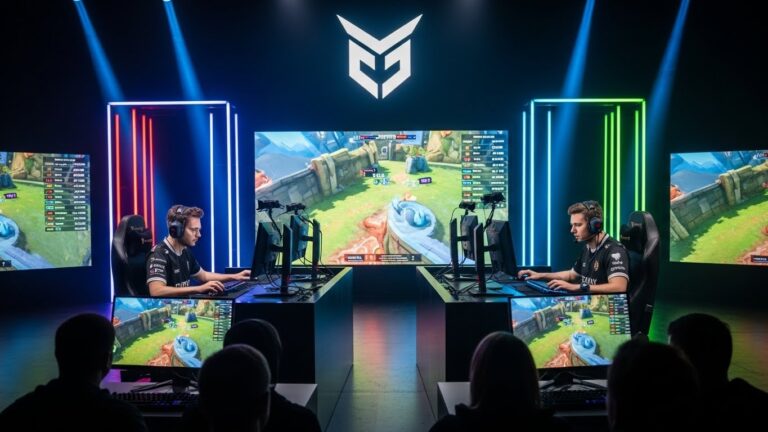
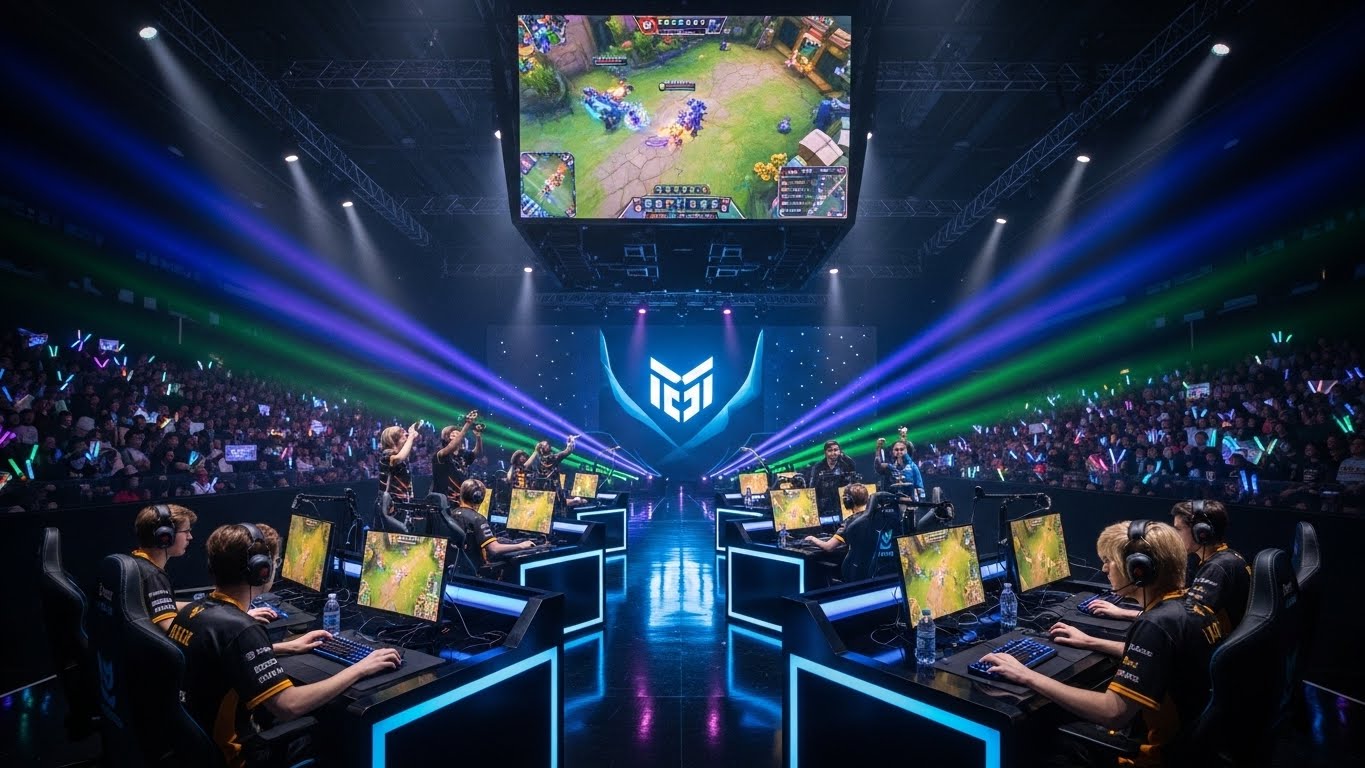
Esports has transformed from a niche hobby into a global phenomenon, captivating millions of players and viewers around the world. What was once casual gaming in bedrooms and arcades has evolved into a professional arena with tournaments, sponsorships, and teams that rival traditional sports in scale and excitement. Esports is not just about playing video games; it is about strategy, reflexes, mental resilience, and teamwork. The industry has expanded beyond the screen, influencing culture, education, technology, and even career opportunities. This blog explores the rise of esports, its cultural significance, the skills it develops, and its impact on society.
The Origins of Esports
Esports can trace its roots back to the late 20th century, when video games began gaining popularity in arcades and home consoles. Early competitions were informal, often organized by gaming communities or local clubs. Games like Pac-Man, Street Fighter, and StarCraft became the first competitive platforms where players showcased their skills. With the rise of the internet and multiplayer gaming, esports expanded to include players from different regions, paving the way for larger, more structured competitions. By the 2000s, professional leagues and tournaments began to emerge, establishing esports as a legitimate competitive field. Today, esports is a global industry, drawing millions of spectators and creating opportunities for players to pursue careers professionally.
The Rise of Competitive Gaming
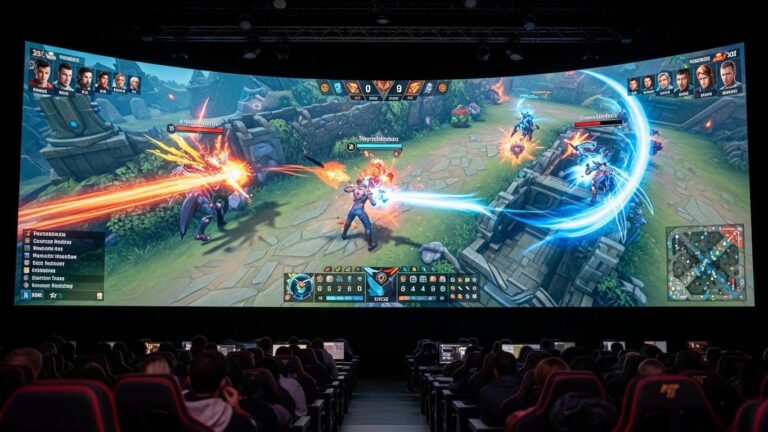
Competitive gaming has evolved dramatically over the years. Titles like League of Legends, Dota 2, Counter-Strike, and Fortnite have become household names, each developing dedicated professional circuits. Major tournaments offer prize pools that reach millions of dollars, attracting the best talent from around the globe. Professional esports players train rigorously, dedicating hours each day to mastering game mechanics, strategies, and team coordination. Unlike casual gaming, competitive esports requires discipline, focus, and a deep understanding of both the game and the competitive environment. This evolution reflects a shift in how society perceives gaming, recognizing it as a serious and skill-intensive pursuit.
Global Influence of Esports
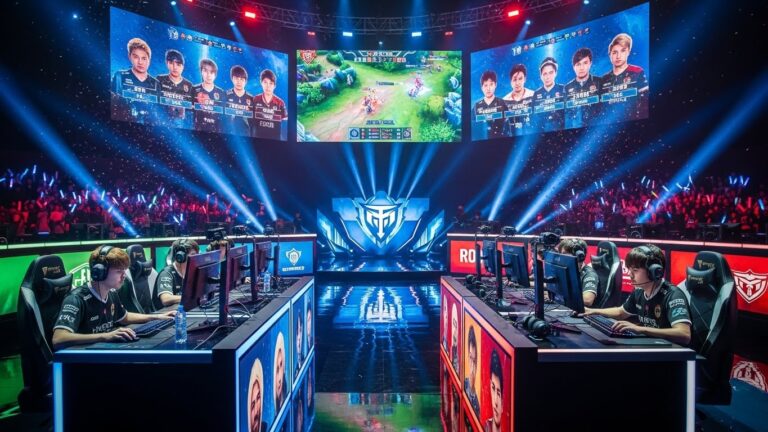
Esports has a global reach unlike any other form of digital entertainment. Players and fans connect across continents, breaking down barriers of geography and culture. Major tournaments are watched by millions in real-time, often rivaling viewership numbers of traditional sporting events. Countries across Asia, Europe, and North America have embraced esports, with governments, schools, and corporations investing in infrastructure and programs to support the industry. Esports also promotes cultural exchange, as international teams and fans share strategies, experiences, and fandom. The global influence of esports highlights its capacity to unify people through competition, entertainment, and shared passion.
Skills Developed Through Esports
Professional esports players exhibit a unique blend of skills that go beyond hand-eye coordination. Strategic thinking, quick decision-making, and multitasking are fundamental to success. Team-based games teach communication, leadership, and collaboration, while individual games focus on personal discipline, focus, and resilience. Esports also demands emotional intelligence; players must manage stress, adapt to changing situations, and maintain composure under pressure. These skills are transferable, benefiting players in professional and academic settings. The cognitive and emotional development gained from esports challenges the perception of gaming as a purely recreational activity.
Esports as a Career Path
The professionalization of esports has created multiple career opportunities beyond playing competitively. Players can earn income through tournament winnings, sponsorships, content creation, and streaming. Support roles, including coaching, analysis, event organization, and broadcasting, form an essential part of the ecosystem. Game developers, marketers, and analysts also contribute to the industry’s growth, offering a variety of career paths. Pursuing esports professionally requires commitment, continuous learning, and strategic networking. For those willing to invest time and effort, esports presents a viable and rewarding career, comparable to traditional professional sports.
Psychological and Cognitive Benefits
Esports can offer significant cognitive and psychological benefits. Competitive gaming enhances problem-solving skills, memory, concentration, and multitasking. Players must analyze complex scenarios, anticipate opponents’ moves, and adjust strategies in real-time. Team-based esports fosters social interaction, cooperation, and conflict resolution. For many, esports provides a healthy outlet for stress, promoting mental resilience and adaptability. When balanced with other aspects of life, esports encourages mental agility, focus, and emotional control, highlighting its potential as a developmental tool beyond entertainment.
Technology and Innovation in Esports
Technology drives the esports industry. High-performance computers, gaming peripherals, and fast internet connections are essential for competitive play. Live streaming platforms have transformed how audiences engage with esports, allowing fans to watch, interact, and learn from professional players. Analytics tools provide in-depth insights into gameplay, helping teams refine strategies and improve performance. Emerging technologies, such as virtual reality and augmented reality, are poised to revolutionize esports by creating immersive and interactive experiences for both players and viewers. The continuous integration of technology ensures esports remains dynamic, innovative, and forward-looking.
Esports Culture and Community
Esports is more than a competitive arena; it is a cultural movement with vibrant communities. Fans connect through streaming platforms, social media, and online forums, discussing strategies, sharing content, and celebrating achievements. Cosplay, fan art, and community events further enrich the culture, making esports a lifestyle for millions. Influencers and professional players serve as role models, inspiring others to pursue gaming responsibly and with dedication. The sense of belonging within esports communities fosters collaboration, creativity, and shared passion, creating a culture that extends far beyond the digital battlefield.
Challenges Facing Esports
Despite its rapid growth, esports faces challenges. Prolonged gaming can lead to physical health issues such as eye strain, repetitive strain injuries, and fatigue. Mental health challenges, including burnout and stress, are prevalent among professional players due to high competition levels. Additionally, concerns about inclusivity, gender representation, and accessibility continue to shape the industry. Establishing ethical standards, fair play regulations, and support systems is essential for the sustainable development of esports. Addressing these challenges ensures that esports remains a safe, equitable, and thriving competitive environment.
Esports in Education
Educational institutions increasingly recognize the value of esports. Schools and universities offer scholarships, organized competitions, and curricula focused on game design, strategy, and digital skills. Esports programs teach teamwork, communication, leadership, and problem-solving, preparing students for both gaming careers and broader professional opportunities. Integrating esports into education helps foster responsible gaming habits, validates esports as a legitimate pursuit, and equips students with essential skills for the digital era. This trend represents a significant societal shift, reflecting growing acceptance and understanding of esports’ educational potential.
The Future of Esports
The future of esports is poised for continuous growth and innovation. Emerging gaming platforms, mobile esports, virtual reality competitions, and cross-platform events will expand the reach and accessibility of competitive gaming. As audiences grow, so will investment, sponsorships, and media coverage, further legitimizing esports as a major global industry. Sustainability, inclusivity, and professional development will become central considerations, ensuring that esports remains ethical, supportive, and forward-thinking. The digital arena of esports will continue to shape entertainment, culture, and career opportunities for years to come.
Conclusion
Esports represents a new era of competition where digital skill, strategy, and teamwork converge. From its humble beginnings in arcades to global tournaments with millions of viewers, esports has redefined what it means to compete and connect in the modern world. It fosters cognitive development, social engagement, and professional opportunities while creating vibrant communities and cultural movements. Challenges exist, but the resilience, innovation, and global appeal of esports ensure its ongoing growth and relevance. Esports is more than just a game; it is a reflection of human creativity, determination, and the limitless potential of the digital age. For players and fans alike, esports offers a platform to excel, inspire, and thrive in ways that extend far beyond the screen.
About the Author