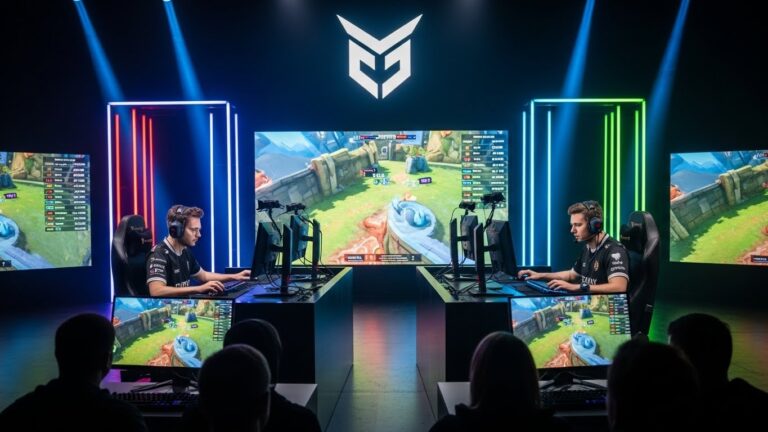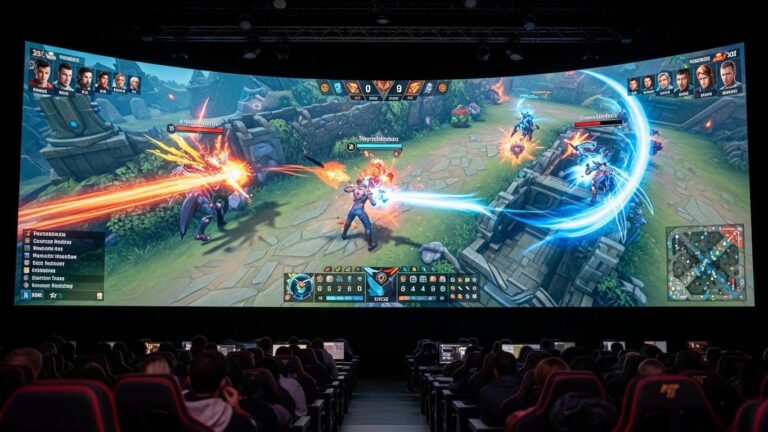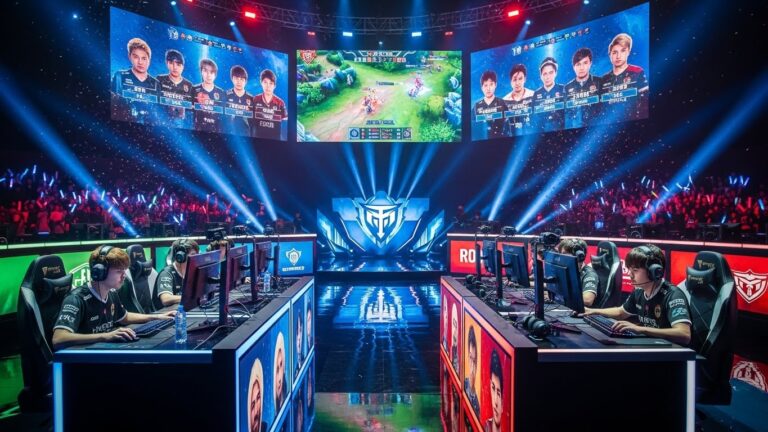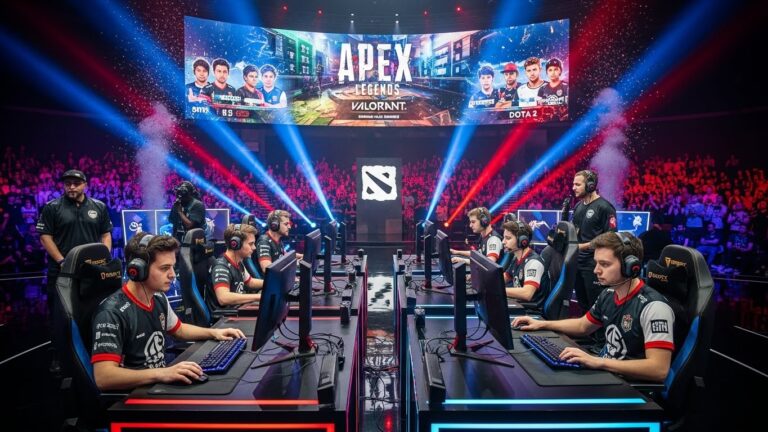
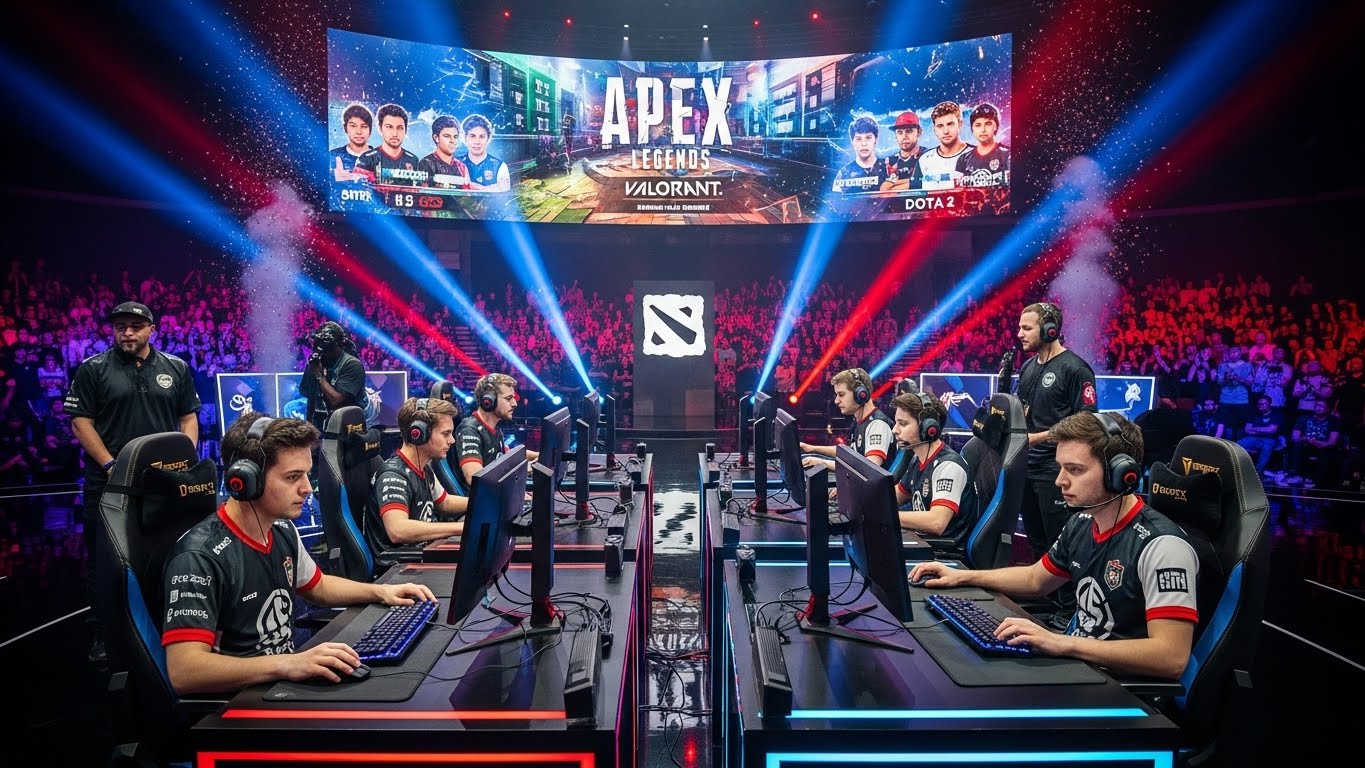
In the past decade, esports has transformed from a niche hobby into a global phenomenon. Once considered a pastime for teenagers in basements, competitive gaming now commands arenas full of cheering fans, multi-million-dollar sponsorships, and professional athletes who earn salaries comparable to traditional sports stars. With advancements in streaming technology, international tournaments, and growing investment from mainstream organizations, esports has evolved into a legitimate industry with immense cultural and economic influence. In this blog, we will explore the growth, impact, and future potential of esports, examining why it has become a cornerstone of modern entertainment.
The Evolution of Esports
Esports, or electronic sports, refers to organized, competitive video gaming. While casual gaming has existed since the early days of video games, the concept of professional competitive gaming gained traction in the late 1990s with titles like StarCraft, Counter-Strike, and Quake. Early tournaments were small-scale, often limited to local communities or university competitions.
The real turning point came with the rise of online gaming and live streaming platforms. Games could now be played competitively across continents, and fans could watch high-level matches in real-time. This shift brought esports to a much wider audience and laid the foundation for professional leagues, sponsorships, and media coverage. Today, esports tournaments rival traditional sporting events in production value, viewership, and prize money, signaling that competitive gaming has firmly entered mainstream culture.
Popular Esports Genres and Games
Esports encompasses a wide variety of game genres, each with its own community, strategies, and tournaments. Multiplayer online battle arena (MOBA) games like League of Legends and Dota 2 are among the most popular, featuring complex team-based gameplay that requires coordination, strategy, and quick decision-making. These games have some of the largest prize pools in esports history, often reaching tens of millions of dollars in international competitions.
First-person shooters (FPS) like Counter-Strike: Global Offensive, Call of Duty, and Valorant focus on precision, reaction speed, and tactical execution. FPS tournaments are highly competitive and often feature intense rivalries between teams and countries.
Other genres, including fighting games, sports simulations, and battle royale titles like Fortnite and Apex Legends, also have dedicated esports scenes. Each game attracts a unique audience, contributing to the diversity and reach of the industry. The variety of genres ensures that esports appeals to a wide range of players and spectators, making it a truly inclusive form of entertainment.
The Rise of Professional Esports Athletes
One of the most fascinating aspects of esports is the emergence of professional players. These athletes dedicate thousands of hours to mastering their games, often training for six to ten hours daily to maintain peak performance. Professional esports players are evaluated not just on skill, but also on teamwork, strategy, communication, and adaptability.
Sponsorships, streaming, and tournament winnings have turned esports into a viable career path. Top players can earn salaries, performance bonuses, and endorsement deals that rival athletes in traditional sports. Organizations invest in coaching, nutrition, and mental health support for their players, recognizing the need for holistic development in maintaining competitive success.
Esports has also introduced new career opportunities beyond gameplay. Analysts, commentators, event organizers, marketing specialists, and content creators all contribute to the ecosystem, proving that esports is more than just a hobby—it is a full-fledged industry with diverse professional avenues.
Global Tournaments and Fan Engagement
Major esports tournaments have become cultural events that attract millions of viewers worldwide. Competitions such as The International for Dota 2, the League of Legends World Championship, and the Fortnite World Cup feature prize pools that often surpass traditional sports tournaments. These events are not just about gaming—they are spectacle, entertainment, and community gatherings rolled into one.
Fan engagement is a crucial part of esports culture. Streaming platforms like Twitch and YouTube Gaming allow fans to watch live matches, interact with players, and participate in communities through chat, forums, and fan events. This level of engagement creates a sense of connection between players and audiences, enhancing loyalty and creating global fandoms. Esports has successfully transformed passive spectators into active participants, fostering a community that thrives on shared experiences and collective excitement.
Esports and Technology
Technology is at the heart of esports, driving both gameplay and audience experience. High-speed internet, powerful gaming hardware, and advanced software have made competitive gaming possible at a professional level. Additionally, broadcasting technology enables high-quality live streams, replays, and commentary that make matches accessible and entertaining for viewers around the world.
Virtual reality (VR) and augmented reality (AR) are starting to influence esports, offering immersive gameplay and new ways for audiences to experience competitions. Artificial intelligence and analytics tools are also being used to enhance training, optimize strategies, and evaluate player performance. The integration of cutting-edge technology ensures that esports continues to evolve and innovate, maintaining its relevance in a fast-paced digital landscape.
The Economic Impact of Esports
Esports has grown into a multi-billion-dollar industry with revenue streams from sponsorships, media rights, merchandise, ticket sales, and in-game purchases. Major brands from non-gaming industries are investing heavily in esports sponsorships, recognizing its reach to younger, tech-savvy audiences. Companies in apparel, energy drinks, consumer electronics, and even finance are now partnering with esports organizations to promote products and services.
Furthermore, cities and countries are investing in esports infrastructure, from dedicated arenas to government-supported leagues. The economic impact extends beyond the gaming industry, creating jobs in hospitality, marketing, event management, and technology development. The global esports economy demonstrates how digital entertainment can generate tangible financial benefits and influence broader economic trends.
The Social and Cultural Influence of Esports
Esports is more than an entertainment medium—it is a cultural phenomenon. Competitive gaming has influenced fashion, music, and digital content, creating communities that share interests, values, and lifestyles. Cosplay, fan art, memes, and live events contribute to the vibrant cultural ecosystem surrounding esports.
Esports also promotes social connection and inclusion. Online communities bring together players and fans from diverse backgrounds, fostering communication, collaboration, and cultural exchange. For many participants, esports provides a sense of identity and belonging, particularly for those who may feel marginalized in traditional social or sports settings.
Additionally, esports has begun to impact education and youth development. Schools and universities are offering esports programs, scholarships, and courses, teaching skills such as teamwork, strategic thinking, and digital literacy. By integrating esports into formal education, the industry is expanding its influence and demonstrating its value beyond entertainment.
Challenges Facing the Esports Industry
Despite its growth, esports faces several challenges. Player burnout is a significant concern, as the intense training and competitive pressure can lead to physical and mental health issues. Organizations are increasingly recognizing the importance of supporting players through counseling, health programs, and career planning.
Regulation and standardization are also ongoing issues. Unlike traditional sports, esports lacks a unified governing body, which can result in inconsistent rules, tournament formats, and player contracts. Ensuring fair play, transparency, and ethical conduct remains a priority for the industry.
Furthermore, accessibility and inclusivity continue to be challenges. High-performance gaming equipment can be expensive, and not all communities have equal access to reliable internet and training resources. Addressing these barriers is essential for ensuring that esports continues to grow sustainably and equitably.
The Future of Esports
The future of esports looks promising, with continued growth expected in viewership, revenue, and global reach. Emerging technologies such as cloud gaming, VR, and AR will enhance gameplay experiences, making esports even more immersive and accessible. Expansion into new regions, particularly in developing markets, will introduce esports to broader audiences and diversify the competitive landscape.
Esports will likely continue to blur the line between traditional sports and digital entertainment. Collaborations with mainstream media, celebrity involvement, and cross-industry partnerships will elevate its visibility and influence. As society becomes increasingly digital, esports will play a central role in defining how people connect, compete, and consume entertainment in the 21st century.
Conclusion: Esports as a Defining Industry of Our Time
Esports has evolved from a niche hobby to a global industry, transforming the landscape of entertainment, culture, and careers. Through professional athletes, international tournaments, advanced technology, and vibrant communities, esports has established itself as a legitimate and influential sector. Its economic, social, and cultural impact is undeniable, shaping how people engage with digital media and competitive experiences.
As the industry continues to grow, challenges such as player health, regulation, and accessibility must be addressed to ensure sustainable development. The potential of esports extends beyond entertainment, offering opportunities for education, innovation, and social connection.
Ultimately, esports represents a defining trend of our digital era. It demonstrates how technology, creativity, and community can come together to create a dynamic, interactive form of entertainment that captivates millions worldwide. The story of esports is still being written, and its future promises to be as exciting, competitive, and transformative as the games themselves.
About the Author