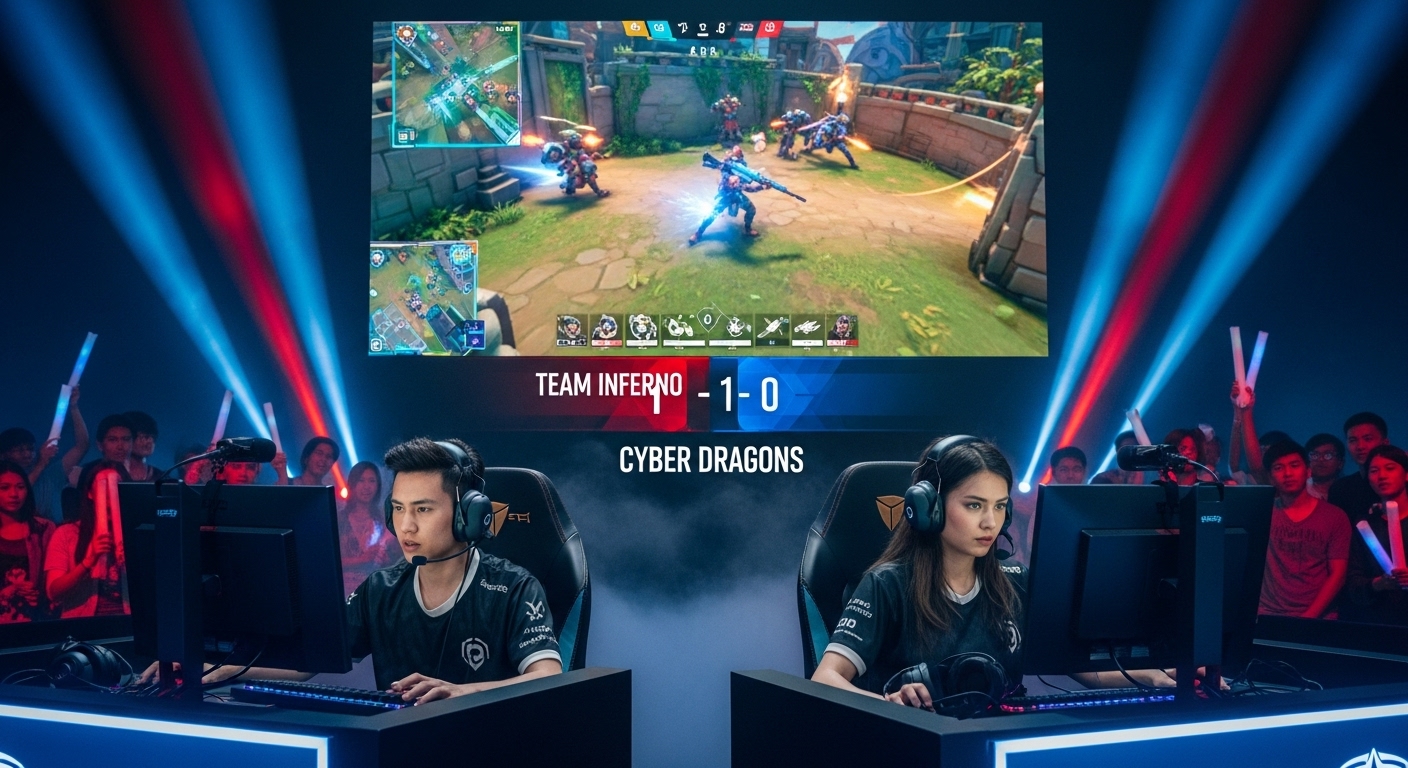
Introduction: Esports as a Global Phenomenon
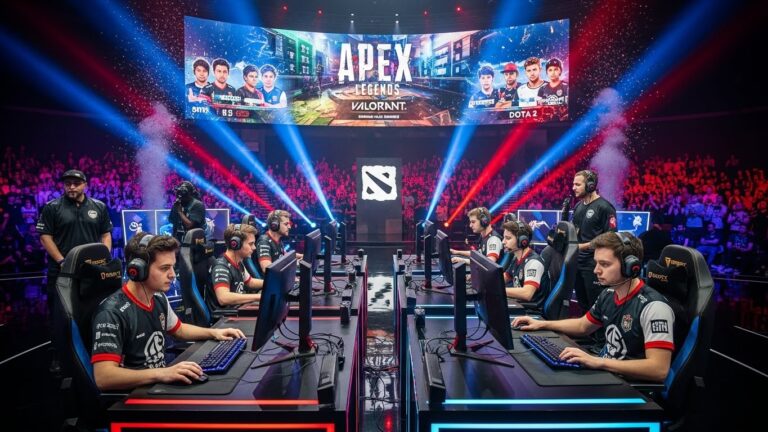
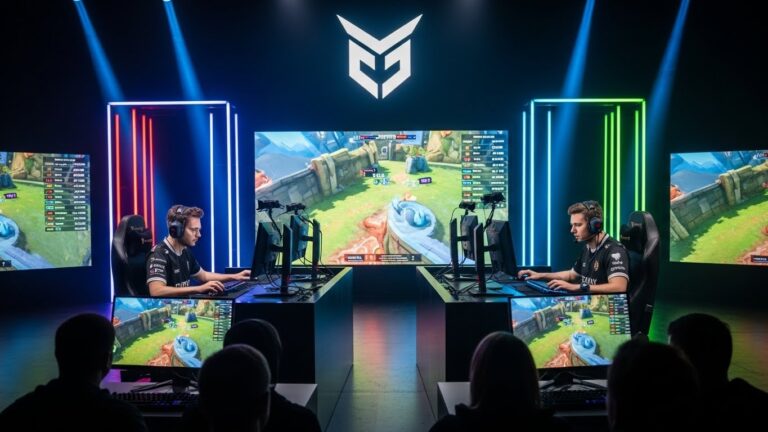
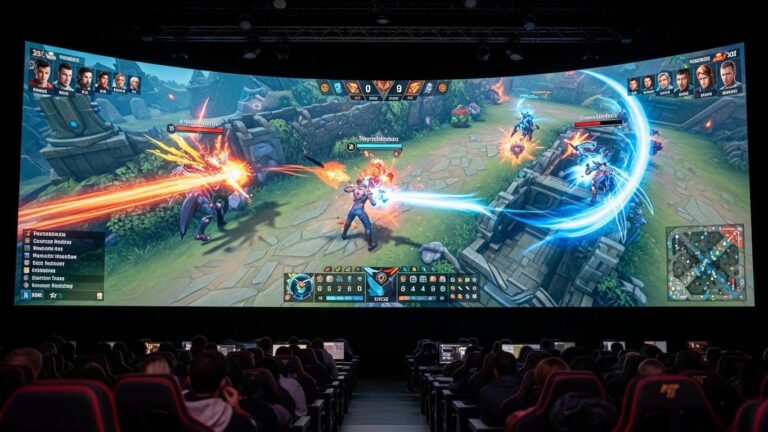
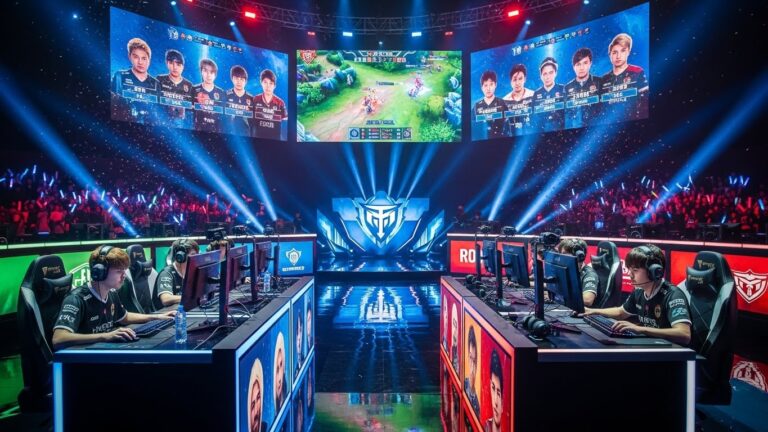
Esports has transformed the way people perceive gaming. Once seen as a hobby or casual pastime, it has now become a professional, global industry. Millions of players compete in tournaments, while millions of fans watch, cheer, and follow their favorite teams. Esports is more than just gaming; it is a showcase of skill, strategy, and innovation.
The Evolution of Competitive Gaming
Competitive gaming began with small-scale tournaments and local competitions. With the rise of the internet and powerful gaming platforms, esports expanded rapidly. Today, tournaments take place worldwide with professional players, sponsorships, and massive audiences. The evolution of esports reflects technological progress and the growing recognition of gaming as a legitimate competitive sport.
Skills and Discipline in Esports
Success in esports requires more than fast reflexes. Players develop strategic thinking, teamwork, and adaptability. Mental focus and decision-making under pressure are essential for professional gameplay. Like traditional athletes, esports players dedicate hours to practice, refine their skills, and study their opponents to gain an edge.
The Esports Industry and Opportunities
The esports industry has grown into a multi-billion-dollar ecosystem. Beyond players, it includes coaches, analysts, content creators, and event organizers. Tournaments are broadcasted to global audiences, and sponsorships provide financial growth and visibility. The industry continues to innovate, creating new ways for fans to engage and players to showcase their talent.
Community and Global Connection
Esports builds communities by connecting players and fans worldwide. Online multiplayer platforms, forums, and live streams foster communication, collaboration, and camaraderie. Players can form friendships, participate in team events, and share experiences, making esports a platform for social connection and collective engagement.
Challenges and the Path Forward
While esports grows rapidly, it faces challenges such as player burnout, fair competition, and the need for mental health support. Organizations and developers are addressing these issues by implementing structured schedules, wellness programs, and fair play systems. Responsible development ensures a sustainable and positive future for the industry.
Conclusion: The Future of Esports
Esports is redefining the boundaries of gaming and competition. It combines skill, entertainment, and technology to create a global phenomenon that continues to expand. As the industry evolves, esports will inspire new players, engage wider audiences, and redefine what it means to compete and connect in the digital age.
About the Author