Introduction
For decades, gaming was viewed as a distraction from education. Parents and teachers often told students that video games would harm their academic performance or future prospects. However, the rise of esports has flipped that perception upside down. What was once considered a time-wasting hobby is now entering classrooms, universities, and even scholarship programs.
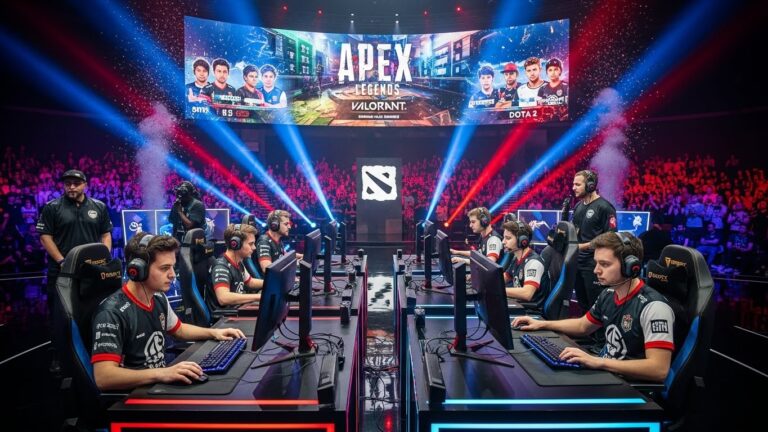
Today, schools around the world are recognizing esports as a valuable tool for learning, teamwork, and career development. Universities offer scholarships to competitive gamers, and high schools are forming esports clubs to engage students. In this blog, we’ll explore the intersection of esports and education, how it’s shaping the next generation, and what the future may look like.
The Changing Perception of Gaming in Education
For a long time, gaming was seen as anti-educational. But in the last decade, attitudes have shifted. Research has shown that video games can improve cognitive skills, problem-solving abilities, and hand-eye coordination. Beyond entertainment, gaming fosters teamwork, leadership, and resilience—all valuable traits for students.
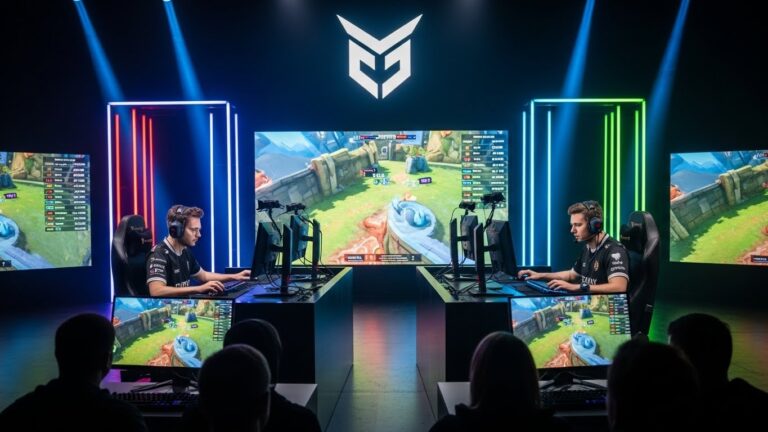
Esports, as an organized form of gaming, bridges the gap between play and structured competition. It brings discipline and commitment, much like traditional sports. Educators now see it as a way to motivate students who might otherwise feel disconnected from school activities.
The Rise of Esports in Schools
Across North America, Europe, and Asia, schools are adopting esports programs. For example:
- High school esports clubs are being recognized as official extracurricular activities.
- National organizations like the High School Esports League (HSEL) in the U.S. manage structured competitions for students.
- Schools report that students engaged in esports often improve attendance, grades, and social connections.
Esports is also being used as a STEM learning tool. By involving students in technology-driven activities, educators are sparking interest in coding, game design, and IT careers.
University Esports and Scholarships
One of the biggest milestones in esports education is the rise of university scholarships for gamers. In the U.S., hundreds of colleges now offer partial or full scholarships to talented players. Universities like the University of California-Irvine, Robert Morris University, and Harrisburg University have established dedicated esports programs.
These programs not only attract top players but also create opportunities for students interested in:
- Esports management
- Broadcasting and production
- Coaching and analysis
- Marketing and business in gaming
Esports has become a way for universities to stand out and recruit students passionate about gaming.
Educational Benefits of Esports
Esports offers many benefits beyond the obvious entertainment value:
- Teamwork and Communication – Players learn to work with teammates, strategize, and communicate effectively.
- Leadership – Captains and team leaders develop organizational and motivational skills.
- Problem-Solving – Games require quick thinking and adaptation under pressure.
- Time Management – Balancing practice, studies, and tournaments helps students manage their schedules.
- Career Pathways – Esports introduces students to potential careers in gaming, tech, and media.
Esports Curricula and Courses
Beyond clubs and scholarships, some universities are developing academic programs around esports. These include:
- Bachelor’s degrees in Esports Management (covering marketing, event planning, and team management).
- Esports production courses, focusing on broadcasting, streaming, and content creation.
- Game design and development programs that connect gaming to industry-level careers.
By teaching these skills, universities prepare students for the broader gaming ecosystem, not just playing competitively.
The Global Perspective
Esports in education is not limited to the U.S. In countries like South Korea, gaming is already deeply embedded in youth culture, with specialized schools that train pro players. In Europe, universities in the U.K., Germany, and Scandinavia have launched esports degrees. In Asia, countries like China are investing heavily in esports infrastructure, and universities are following suit with dedicated gaming programs.
Criticisms and Challenges
Not everyone supports esports in education. Critics argue that:
- Excessive gaming can harm physical health.
- Competitive pressure may distract from academics.
- Funding esports programs diverts resources from traditional subjects.
Schools must strike a balance by promoting healthy gaming habits, encouraging physical activity alongside esports, and ensuring academics remain the top priority.
The Future of Esports in Education
The momentum is clear: esports will continue growing in schools and universities. In the next decade, we may see:
- Esports included in official curriculums as a recognized subject.
- More scholarships, making esports a mainstream path to higher education.
- Integration with STEM programs, encouraging careers in gaming and technology.
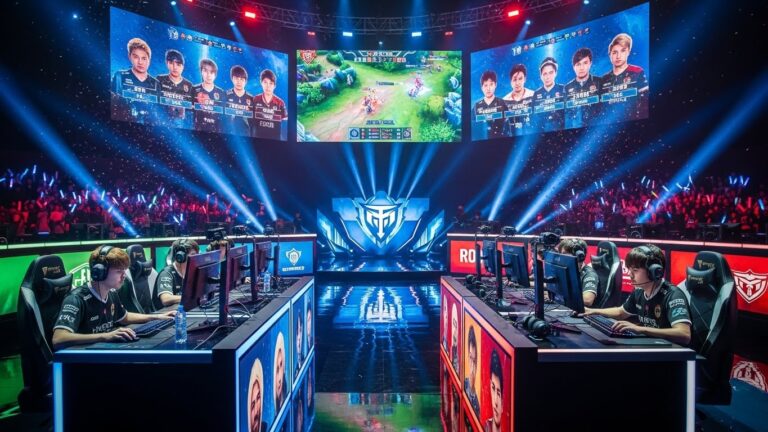
- Esports arenas on campuses, similar to traditional sports stadiums.
Conclusion
Esports in education represents a cultural shift. Instead of fighting against gaming, schools are embracing it as a tool for learning, engagement, and opportunity. Students gain valuable life skills, universities attract talent, and the gaming industry gains fresh talent. Far from being a distraction, esports is becoming a bridge between passion and education, shaping the future of learning for the digital generation.
About the Author