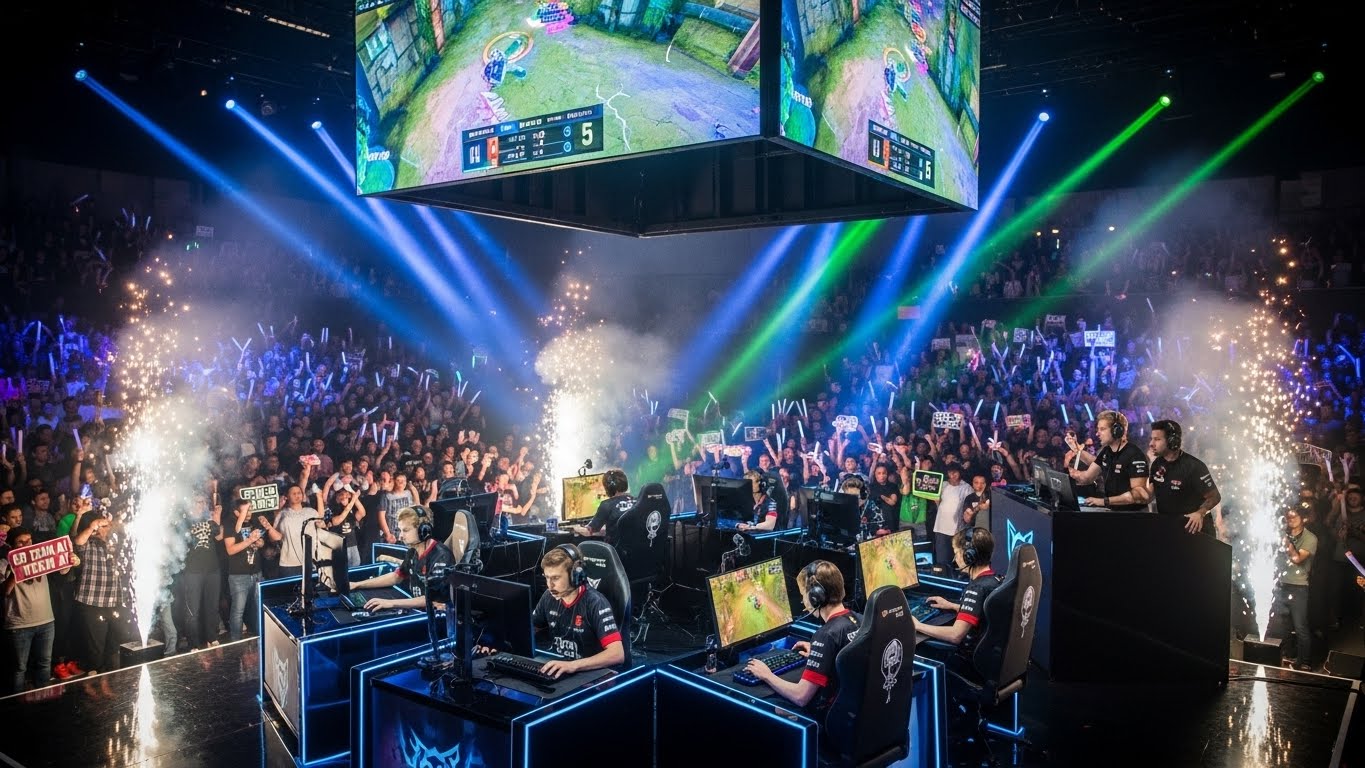
Introduction to the Digital Competitive Revolution
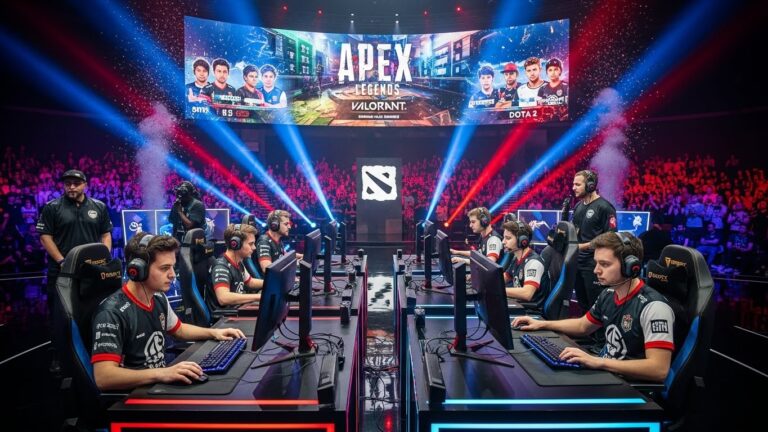
Esports, short for electronic sports, has rapidly transformed from a casual pastime enjoyed by small groups of gamers into a global competitive enterprise. What once took place in living rooms and internet cafés now fills arenas, garners millions of viewers, and supports thriving professional careers. Esports is more than just gaming; it is a cultural movement, a technological milestone, and a redefinition of global competition. In an age where digital interactions dominate daily life, esports stands at the forefront of a new kind of entertainment—one that combines skill, strategy, community, and innovation.
The Early Roots of Competitive Gaming
The concept of esports did not emerge overnight. In the late 20th century, arcade machines became hubs of friendly rivalry, with players trying to surpass each other’s high scores. Games like classic space shooters and fighting titles created the foundation for competitive gaming. When personal computers and early consoles became widespread, multiplayer games began connecting gamers beyond local spaces.
The true turning point came with the rise of the internet. Online gaming introduced a global competitive landscape where players could face opponents from different countries instantly. Titles such as early strategy, shooter, and battle arena games built loyal player bases, each fostering a strong competitive spirit. These early digital contests laid the groundwork for the structured esports industry we know today.
The Expansion into a Professional Industry
By the 2000s, esports had evolved far beyond hobby-level competition. Professional leagues, teams, and tournaments began forming as companies recognized gaming’s commercial potential. Prize pools expanded dramatically, sponsorships poured in, and players started earning salaries. For the first time, gaming could support a legitimate full-time career.
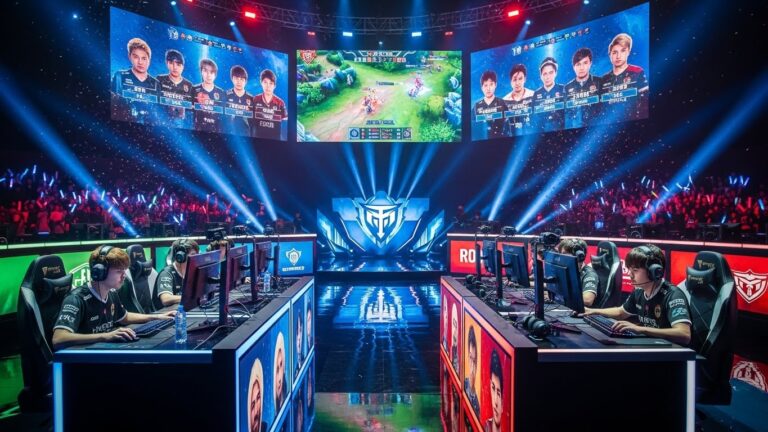
Organizations established structured teams with coaches, analysts, and managers. Professional players trained for hours every day, just like traditional athletes. Major tournaments attracted thousands of live viewers and millions of online spectators. The increased viewership pushed the industry into mainstream entertainment, rivaling conventional sports in engagement and popularity.
Diverse Genres and Their Broad Appeal
One of the strongest drivers of esports’ growth is the diversity of game genres. Each genre appeals to different types of players and fans, creating a rich ecosystem within the competitive scene.
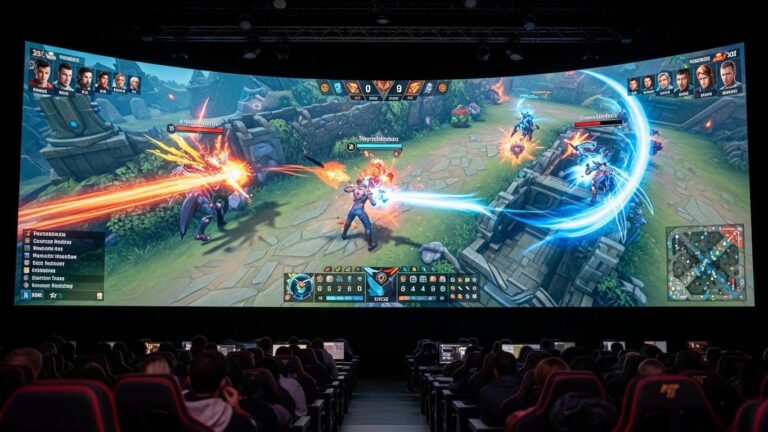
Multiplayer battle arena games emphasize teamwork, strategy, and fast decision-making. First-person shooters focus on reaction time, precision, and tactical movement. Real-time strategy games challenge a player’s ability to manage multiple tasks at once while predicting their opponent’s actions. Fighting games hone timing, adaptability, and mastery of character mechanics, while sports simulation and racing titles appeal to fans who love realism and competitive replication of real-world activities.
This diversity ensures that esports speaks to a wide audience. Every viewer, regardless of their background, can find a game and competitive style that resonates with them.
The Economic Powerhouse of Esports
The esports industry has rapidly become a major economic force. Revenue streams come from tournament sponsorships, team partnerships, media rights, merchandise, advertising, and player endorsements. The industry supports countless jobs, from professional players and coaches to broadcasters, event organizers, content creators, and game developers.
Cities now host international events that attract global tourists. Merchandise sales have become a powerful source of income, with fans proudly wearing jerseys and gear representing their favorite teams. The financial success of esports showcases its ability not only to entertain but also to fuel economic growth and innovation.
Technology as the Backbone of Esports
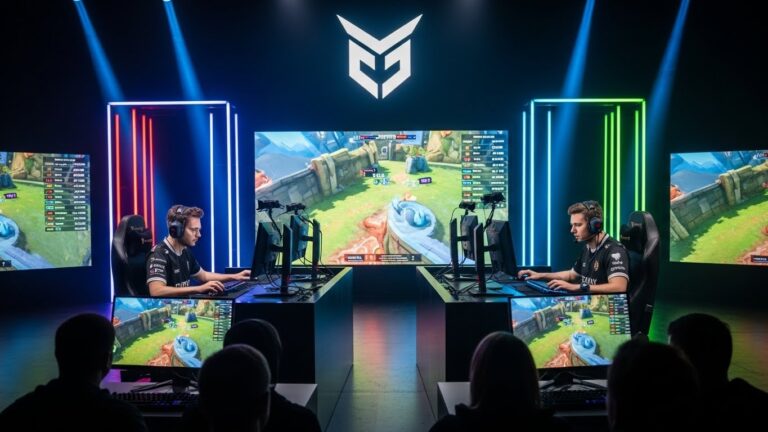
Without advanced technology, esports would not exist. High-performance computers and gaming consoles make competitive play smooth and precise. Fast internet connections allow players to compete with minimal delay. Sophisticated software tools track statistics, analyze performance, and improve player strategies.
Audience engagement has also been transformed by technology. Live streams, instant replays, and in-depth commentary elevate the viewing experience. Fans can interact with players in real-time during streams, creating an unprecedented level of connection between athletes and audiences. Emerging technologies like virtual reality and artificial intelligence promise to shape the future of esports more than ever before, offering new ways to compete and new dimensions of immersion.
The Lifestyle and Training of Esports Athletes
Contrary to outdated stereotypes, professional gamers lead disciplined and demanding lives. They follow rigorous training schedules, sometimes practicing for ten or more hours a day. Training includes mastering game mechanics, studying opponents, developing strategies, and maintaining strong communication within the team.
Just like traditional athletes, esports players must care for their physical and mental health. They follow fitness routines to improve endurance, reaction time, and posture. Mental conditioning, mindfulness exercises, and rest periods are essential to avoid burnout. Proper nutrition, physical workouts, and mental training are now standard parts of a professional gamer’s routine.
The Global Community of Esports
Esports brings together people from all corners of the world. Fans connect through online forums, social media, live streams, and in-person events. This global unity is one of esports’ most powerful aspects. Whether a person is a competitor or a fan, esports offers a sense of belonging and community.
Live events create electrifying atmospheres similar to major sporting championships. Crowds cheer, wave banners, and celebrate incredible gameplay moments. Even those who do not play the games themselves enjoy watching the excitement unfold, celebrating teamwork, creativity, and competitive excellence.
The Challenges Facing the Esports Industry
Although esports continues to flourish, it faces challenges that demand attention. Player health is a significant concern, as long hours of practice can lead to physical strain or mental exhaustion. Addressing burnout, maintaining healthy routines, and implementing fair scheduling are essential for player longevity.
Other issues include maintaining integrity in competitions. Cheating, match-fixing, and toxic behavior must be combated through strict regulations, monitoring, and community education. As the industry grows, enforcing fairness and professionalism becomes even more important.
Esports in Education and Youth Development
Esports is also making a surprising impact in education. Schools, colleges, and universities now offer esports programs, clubs, and even scholarships. These initiatives recognize that competitive gaming builds valuable skills such as teamwork, communication, strategic thinking, and leadership. Students participating in esports gain opportunities to pursue careers in technology, marketing, management, broadcasting, and game development.
Esports in education promotes inclusivity as well. Students who may not participate in traditional sports find a new competitive outlet where they can excel and build confidence.
The Future of Esports
Esports continues to surge in popularity, showing no signs of slowing down. As technology advances, new forms of competitive gaming will emerge, further enriching the ecosystem. Virtual reality competitions, advanced analytics, and global amateur leagues will likely shape the next era of esports.
Esports is also expected to integrate more deeply into mainstream entertainment, collaborating with film, television, and music industries. International recognition will grow, inspiring future generations of gamers, coaches, analysts, and content creators.
Conclusion: A Digital Realm of Limitless Potential
Esports represents one of the most exciting developments of the digital age. Its explosive growth, cultural impact, and economic success highlight its place as a defining force in modern entertainment. It celebrates skill, creativity, collaboration, and innovation, giving millions of people a new way to compete, connect, and express themselves.
As the world becomes increasingly digital, esports stands as a shining example of how technology and human passion can combine to create something extraordinary. What began as friendly games has evolved into a global movement that inspires communities, transforms careers, and redefines the meaning of competition.
About the Author