
Introduction to the Esports Phenomenon
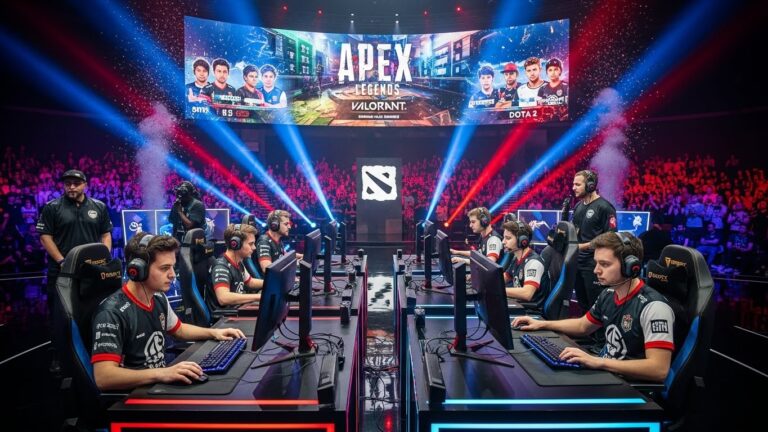
Esports, the world of organized competitive gaming, has transformed from a niche hobby into one of the fastest-growing entertainment industries in history. What once belonged to small gaming communities has evolved into a global spectacle watched by millions. Esports now fills stadiums, inspires young competitors, and drives sophisticated strategies comparable to traditional sports. As technology advances and digital culture expands, esports represents not just a pastime but a powerful cultural and economic force shaping the future of entertainment.
The Early Roots of Competitive Gaming
The concept of challenging another player in a video game is hardly new. Early examples date back to arcade competitions where players battled for the highest score on machines like Pac-Man or Space Invaders. These early competitive sparks were small but significant, setting the stage for a future where gaming would evolve far beyond simple fun.
During the late 1990s and early 2000s, the expansion of home computers and online gaming changed everything. Games like StarCraft and Counter-Strike connected people worldwide, enabling players to face off from thousands of miles away. These early online battles formed the foundation of the modern esports ecosystem, introducing structured leagues, organized teams, and the idea of gaming as a legitimate sport.
The Growth of Esports into Mainstream Entertainment
Esports entered mainstream culture when competitive gaming began filling large arenas and gaining millions of viewers online. The introduction of streaming platforms played a crucial role, making it easy for fans to watch games live, follow their favorite teams, and support professional players. Viewership grew rapidly because esports provides fast-paced excitement, clear skill expression, and easy-to-follow competitive formats.
Unlike traditional sports, esports is not limited by physical location or weather conditions. It can be experienced from any device, creating accessibility that appeals to audiences of all ages. The dynamic nature of digital competitions has carved out a unique identity, attracting people who prefer interactive entertainment over passive viewing.
The Variety of Games that Make Up Esports
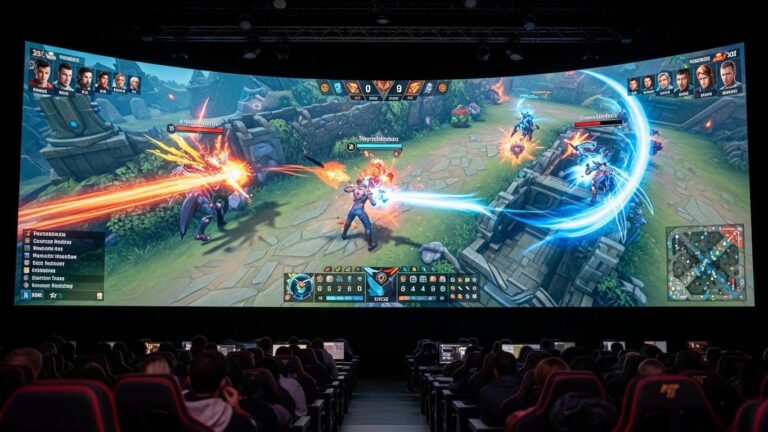
Esports does not revolve around a single title. Instead, it includes a wide range of game genres, each with its own community and competitive structure. Multiplayer online battle arena games challenge players to control characters with unique abilities in strategic, team-driven environments. First-person shooter games rely on precision, reflexes, and tactical coordination. Battle royale titles provide unpredictable scenarios filled with survival-oriented play. Sports simulations and fighting games offer entirely different experiences, showcasing fast reflexes and head-to-head competition.
This variety allows esports to appeal to diverse audiences. Whether someone prefers strategy, speed, teamwork, or individual skill, there is a competitive game tailored to their interests. The diversity of titles ensures that esports remains fresh, evolving, and culturally relevant.
Understanding the Structure of Professional Esports
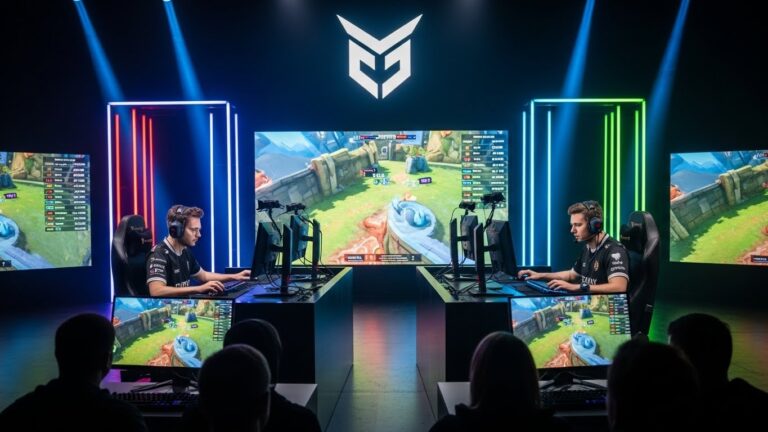
Professional esports teams operate much like traditional sports organizations. They recruit talented players, provide structured training, hire coaches, and analyze gameplay strategies. Many top players practice for long hours, refining their mechanical skills, mastering game knowledge, and developing teamwork.
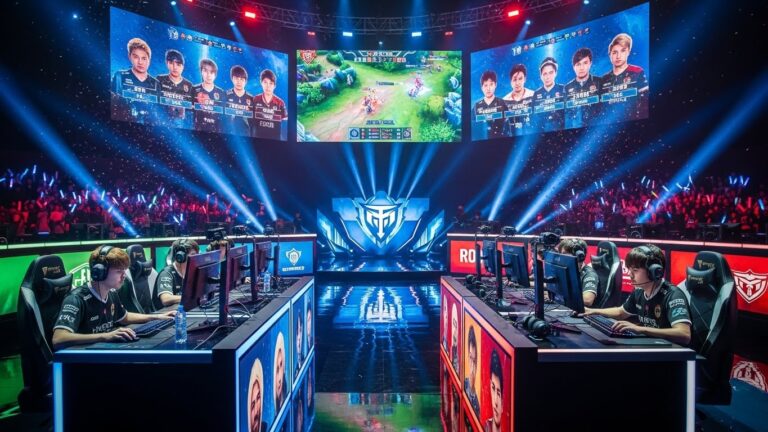
Tournaments are organized regionally and globally, often featuring seasonal leagues that culminate in major championships. These competitions attract massive crowds and offer substantial prize pools. Players who excel at the highest level become celebrities within the gaming community, known for their strategic genius and exceptional execution under pressure.
The professionalism brought into esports has transformed it from casual entertainment into a disciplined, respected competitive field.
The Economic Influence of the Esports Industry
Esports is now part of a thriving economy influenced by sponsors, brand partnerships, merchandise, and media rights. Companies across technology, apparel, food, and automotive sectors invest heavily in esports because the audience is young, loyal, and globally connected.
The industry also creates a wide range of career opportunities beyond playing. These include coaching, broadcasting, event production, content creation, marketing, analytics, and game development. Esports events generate large revenue and boost local economies by attracting visitors, just like traditional sports events.
The financial power behind esports continues to grow, making it one of the most exciting entertainment markets of the modern era.
The Technological Backbone of Esports
Esports would not be possible without powerful technology. Gaming hardware must deliver fast processing, high frame rates, and low latency to ensure fairness in competition. Internet infrastructure plays an equally critical role, enabling smooth online play and live broadcasting.
Analytics tools allow teams to review their performance, evaluate strategies, and study opponents. Broadcasting technology creates immersive viewing experiences through commentary, instant replays, and detailed visuals. Emerging innovations such as virtual reality, augmented reality, and artificial intelligence promise to reshape the future of esports, making it more interactive and engaging.
Technology remains the driving force behind the evolution of esports, pushing the boundaries of what competitive entertainment can become.
The Strategic Depth of Esports
While some may view gaming as purely mechanical, esports is deeply strategic. Teams invest time in studying their opponents, building game plans, and analyzing match patterns. Coaches and analysts break down footage to identify weaknesses and opportunities.
Just as in chess or traditional sports, strategic thinking is essential. Teams must adapt on the fly, communicate efficiently, and make split-second decisions under pressure. Many esports titles require mastery of complex mechanics combined with tactical execution, creating layers of depth that captivate both players and spectators.
This strategic complexity is a major reason why esports has gained respect as a legitimate competitive discipline.
The Physical and Mental Demands on Players
Professional gaming requires more than talent. Players must maintain intense focus, quick reflexes, and strong decision-making abilities. Long practice hours can cause physical strain, making fitness routines important for improving stamina, reducing injury, and maintaining energy.
Mental resilience is equally crucial. Players face pressure from fans, teams, and high-stakes competitions. They must learn to manage stress, maintain a positive mindset, and adapt to continuous patches, updates, and changes within their games.
Esports athletes often work with trainers, nutritionists, and psychologists to ensure they perform at their best, reflecting the demanding nature of modern competitive gaming.
Women and Diversity in the Esports Landscape
Women have become increasingly involved in esports, from professional competition to coaching, broadcasting, and production roles. Female teams and mixed-gender teams have gained visibility, showing that esports is not defined by physical differences but by skill, creativity, and dedication.
Diversity in esports promotes inclusivity and expands the community. As more women and underrepresented groups find success within the industry, esports becomes richer, more innovative, and more welcoming. This progress encourages young gamers to pursue their passions without limitations.
The Role of Esports in Education and Youth Development
Esports has entered classrooms and campuses worldwide. Schools and universities now offer esports programs, scholarships, and dedicated training facilities. These programs teach valuable skills such as leadership, communication, problem-solving, and teamwork.
For many students, esports provides a sense of belonging and motivation. It encourages digital literacy, technological curiosity, and academic engagement. Schools also use esports as a gateway to careers in technology, media, engineering, and business, demonstrating that gaming can support meaningful professional development.
Esports Communities and Their Cultural Influence
The social aspect of esports is one of its greatest strengths. Fans discuss strategies, share highlights, and support favorite teams online. Community members create artwork, stories, and content that enriches gaming culture. Events bring fans together physically, reinforcing bonds built through shared passion.
Esports has influenced fashion, music, and entertainment trends. Soundtracks, team jerseys, and gaming-inspired streetwear have become mainstream. Players appear in television shows, commercials, and global campaigns, proving that esports culture reaches far beyond gaming.
As esports continues to grow, its cultural footprint becomes even more significant.
Challenges Faced by the Esports Industry
Despite its achievements, esports faces challenges that must be addressed thoughtfully. Player burnout is a major issue due to intense schedules. Toxicity in online environments affects both players and fans. Regulatory frameworks for tournaments and contracts are still developing.
Accessibility also remains a challenge in some regions due to limited internet infrastructure and hardware costs. Overcoming these issues requires cooperation among developers, organizations, players, and fans to ensure the long-term health of the industry.
The Future of Esports
The future of esports is filled with possibility. Advancements in technology will create new types of games, new viewing experiences, and new competitive formats. Global recognition will continue to rise as more countries adopt esports as part of their cultural and economic framework.
Esports may eventually integrate with traditional sports in new hybrid forms of entertainment. Virtual reality competitions, global youth leagues, and AI-assisted training tools hint at the exciting innovations ahead.
One thing is certain: esports is not a passing trend. It is a permanent and evolving pillar of global entertainment.
Conclusion: A New Era of Competition
Esports has redefined what it means to compete, entertain, and connect. It blends technology, creativity, and passion into an industry that spans the globe. From casual players to professionals who train like athletes, esports offers opportunities, community, and inspiration.
The rise of esports marks the beginning of a new competitive era where skill knows no boundaries, and the digital world meets human ambition. As it continues to grow, esports will shape the future of entertainment, culture, and technology for generations to come.
About the Author