Introduction
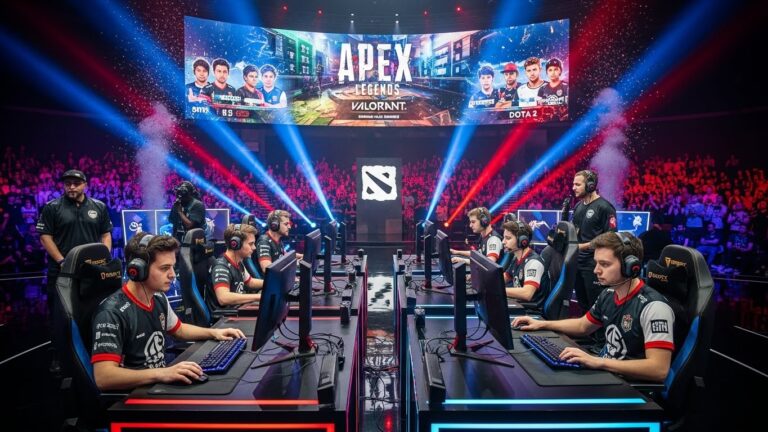
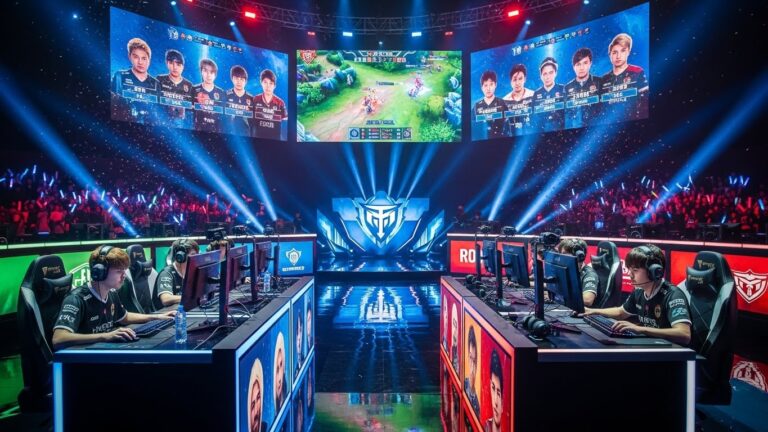
Esports, short for electronic sports, has transformed the gaming world into a global stage of competition, excitement, and innovation. What was once seen as a casual pastime has now evolved into a professional industry where players compete for fame, fortune, and recognition. With millions of fans watching live tournaments around the world, esports has become one of the fastest-growing sectors in entertainment and sports.
The Growth of Esports
The journey of esports began in small gaming communities and local tournaments. As technology advanced, gaming consoles and high-speed internet opened new doors for competitive play. Early esports titles such as StarCraft, Counter-Strike, and Dota set the foundation for the competitive gaming culture we see today. Over time, these competitions grew in scale and popularity, filling arenas with cheering fans and attracting sponsorships from major global brands.
The Power of Technology
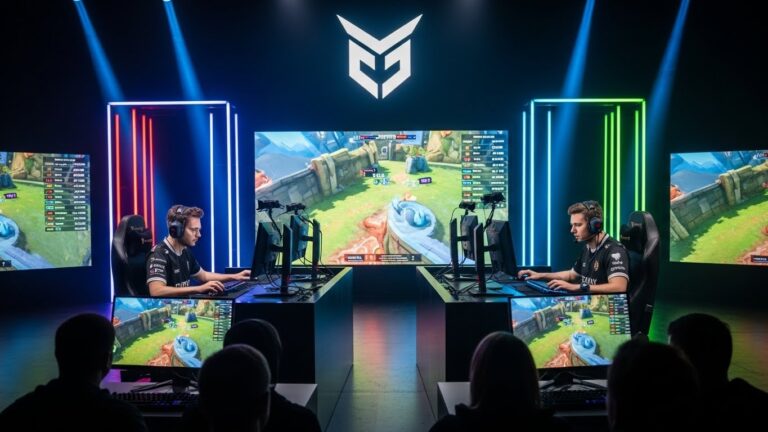
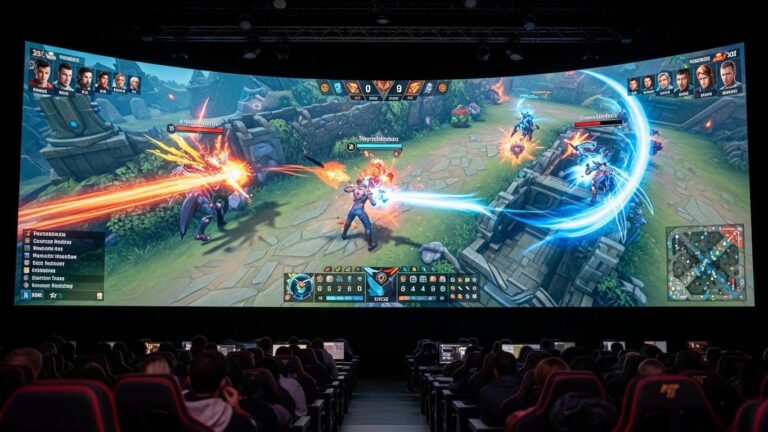
Technology has played a vital role in shaping esports into the phenomenon it is today. High-quality graphics, powerful gaming devices, and reliable online platforms have made virtual competitions more engaging than ever before. Live streaming has also allowed fans to watch their favorite players and teams from any part of the world. This accessibility has brought gamers closer to their audiences, creating a sense of community and excitement around every match.
The Life of a Professional Gamer
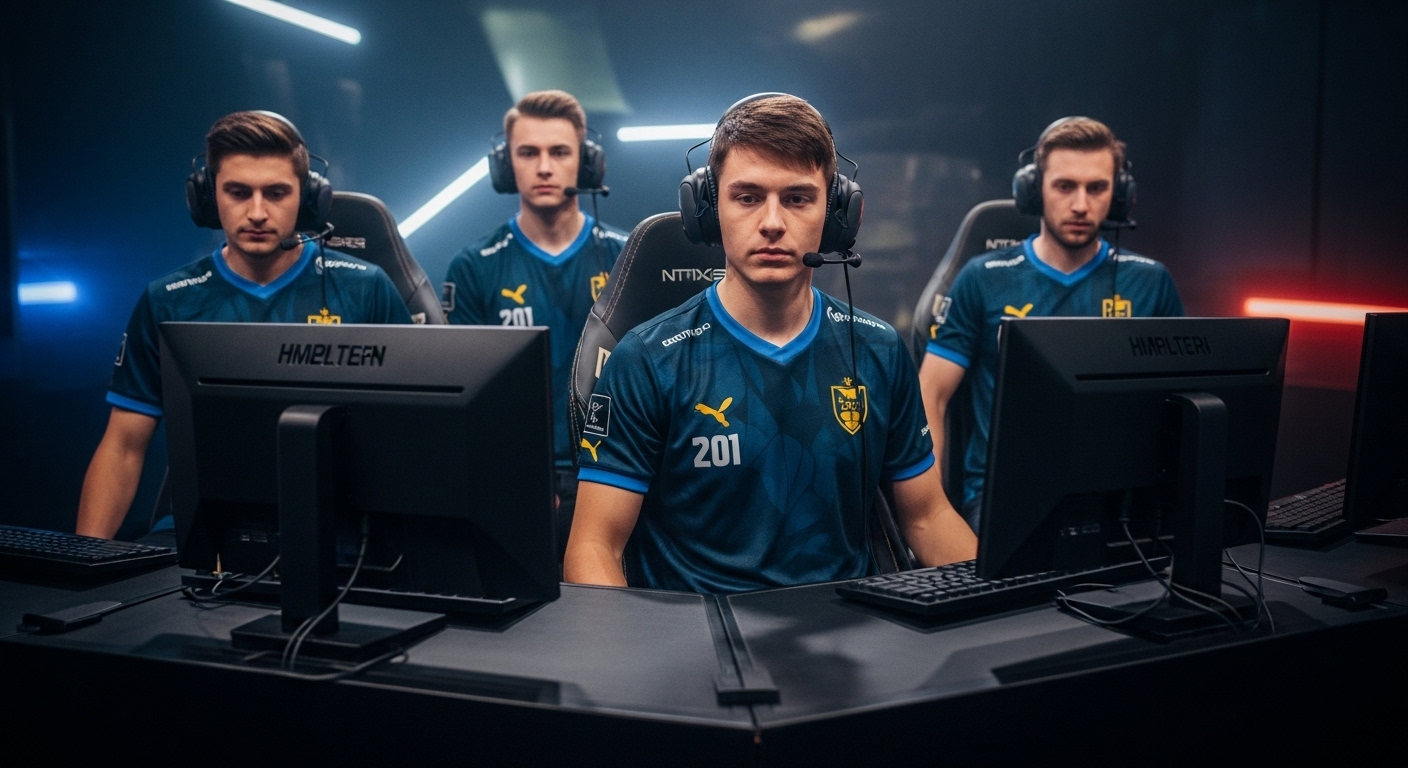
Behind every esports tournament are players who dedicate hours of practice, strategy, and teamwork to perfect their skills. Professional gamers are not just casual players; they train rigorously, analyze gameplay footage, and work with coaches to improve performance. Like traditional athletes, they follow strict schedules, maintain physical fitness, and manage mental health to perform at their best. Esports careers also extend beyond playing—many professionals move into roles like coaching, commentating, or content creation.
The Global Impact of Esports
Esports has become a unifying force that connects people across countries and cultures. Tournaments bring together players and fans who share a common love for gaming, regardless of language or background. Schools and universities are now recognizing esports as an academic and career field, offering scholarships and training programs for aspiring players. This growing acceptance shows how esports has earned its place as a respected and influential industry.
Esports and the Economy
The economic influence of esports cannot be ignored. Sponsorships, advertisements, ticket sales, and merchandise generate billions of dollars each year. Major companies are investing heavily in esports organizations, creating job opportunities in marketing, event management, broadcasting, and game development. The industry’s continuous expansion contributes significantly to the global digital economy.
The Future of Esports
The future of esports is full of promise. As virtual reality, artificial intelligence, and new gaming technologies continue to develop, the esports experience will become even more immersive. Governments and educational institutions are beginning to support esports, recognizing its potential to inspire teamwork, creativity, and innovation among young people. With growing recognition and participation, esports is set to stand side by side with traditional sports on the world stage.
Conclusion
Esports is more than just a form of entertainment—it is a modern revolution that reflects the spirit of competition in the digital age. It celebrates skill, strategy, and dedication while bringing people together from every corner of the world. As technology and creativity continue to evolve, esports will remain at the heart of this global transformation, proving that gaming is not just a hobby but a powerful cultural and economic force shaping the future.
About the Author