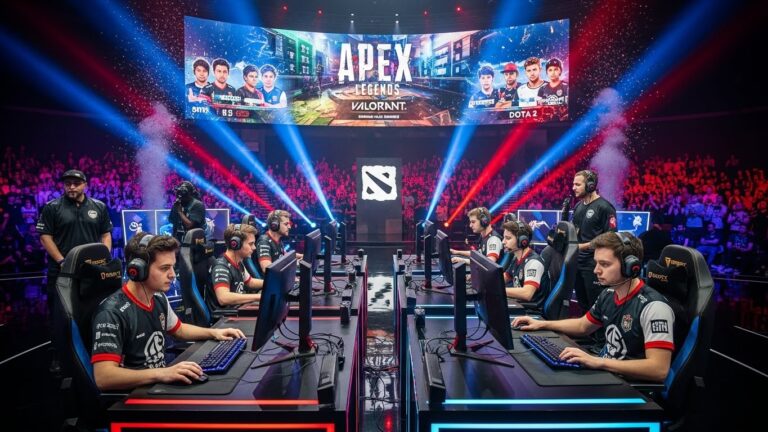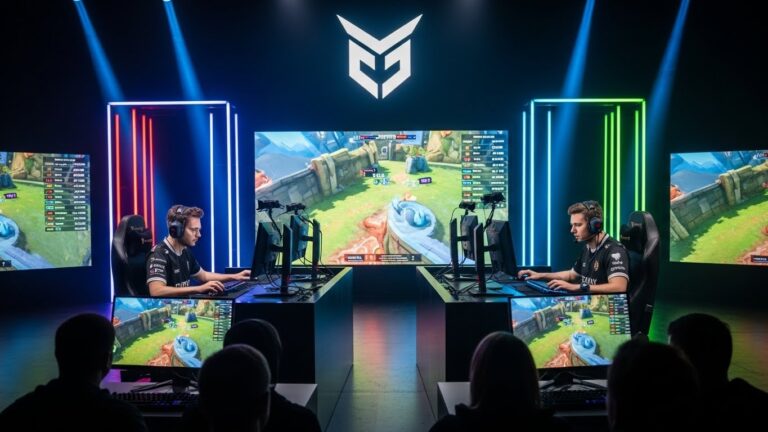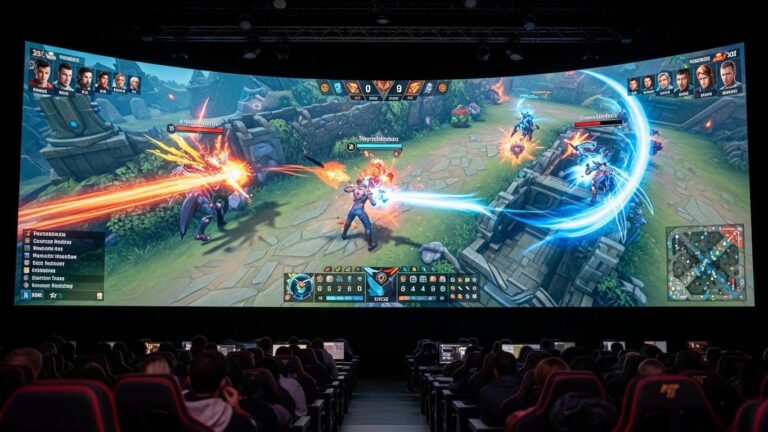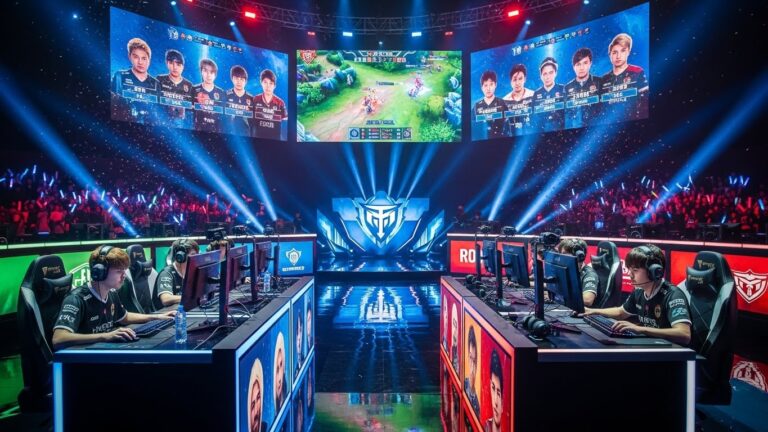

Esports has evolved from a niche subculture into a booming global industry. What was once seen as a pastime for a select group of gamers has now become a multi-billion-dollar ecosystem, with millions of players, viewers, and professionals making it an integral part of the modern entertainment landscape. But what exactly is fueling this digital revolution, and how has it transformed into one of the most dynamic sectors in the world?
Defining Esports: Competitive Gaming at Its Core
At its essence, esports, short for electronic sports, refers to organized multiplayer video game competitions. These competitions can feature a wide variety of games—from fast-paced shooters like Call of Duty and Counter-Strike to strategy-based titles such as Dota 2 and League of Legends. What makes these events stand out is not just the intensity of the gameplay but the structure around them—esports is a professionally organized industry, complete with sponsorships, leagues, teams, and tournaments that mirror the traditional sports world in many ways.
Esports can be played both online and in physical arenas, with tournaments often drawing thousands of spectators. The difference between casual gaming and esports is the level of skill, organization, and competition. Esports athletes spend countless hours training and competing at the highest levels, and just like traditional athletes, they rely on coaches, analysts, and physical trainers to hone their craft.
The Explosive Growth of Esports
Over the past decade, esports has seen an explosive rise in both participation and viewership. What started as a niche hobby in the early 2000s has now turned into a global phenomenon. One of the primary reasons behind this growth is the accessibility of gaming. With modern technology, players no longer need expensive setups or specialized equipment to compete at a high level. A personal computer or gaming console, an internet connection, and a passion for gaming are all that’s needed to start a career in esports.
Furthermore, the rise of live-streaming platforms like Twitch, YouTube Gaming, and Facebook Gaming has allowed gamers to showcase their skills to a global audience. Viewers can watch their favorite players or teams compete in real-time, creating a sense of community and excitement around each event. This increased visibility has helped attract major sponsors from various industries, including tech giants like Intel and Nvidia, as well as non-endemic brands like Coca-Cola and Nike, which further fuel the industry’s expansion.
The Business Side of Esports
Esports is not just about the players and tournaments; it’s also a massive business. The industry generates billions of dollars annually through sponsorships, advertising, broadcasting rights, merchandise sales, and ticket sales to live events. Companies are pouring money into esports because of its massive reach and ability to engage a younger, tech-savvy demographic.
Esports teams are now highly professionalized organizations, employing managers, analysts, coaches, and support staff to ensure their players’ success. Many of these teams are backed by wealthy investors, celebrities, and even traditional sports franchises. For example, in 2020, the NBA’s Brooklyn Nets acquired a stake in an esports team, T1, signaling the growing overlap between traditional sports and esports.
For players, the opportunities are growing as well. Top-tier esports athletes can earn substantial salaries, with prize pools for major tournaments like The International in Dota 2 reaching over $40 million. Aside from tournament earnings, players can supplement their income through sponsorships, brand deals, and streaming, which gives them access to a global fan base. In many ways, being a professional esports player is comparable to being a traditional sports star, with fame, wealth, and influence following success.
The Evolution of Esports Tournaments
Esports tournaments have evolved into high-stakes events, attracting massive audiences both in-person and online. The most prestigious events, such as the League of Legends World Championship, The International for Dota 2, and Fortnite World Cup, offer prize pools worth millions of dollars. These tournaments are broadcast to millions of fans worldwide, often with professional commentators providing in-depth analysis and play-by-play action.
The rise of these large-scale tournaments has led to the creation of esports leagues, which operate much like the professional leagues in traditional sports. Games like Overwatch, Call of Duty, and Rocket League now have dedicated league systems where teams compete in a regular season before moving on to playoff rounds and a championship event. This structure adds an extra layer of excitement for fans, who can follow their favorite teams throughout the year.
Moreover, the level of production at these tournaments has skyrocketed. Modern esports events are akin to live sports broadcasts, with elaborate stage setups, immersive crowd experiences, and real-time social media interaction. The production value has made esports events not only fun to watch but also visually stunning.
The Players: Behind the Screens
Esports players are often viewed as digital athletes, and for good reason. Competing at the highest level requires immense skill, dedication, and physical endurance. Just like in traditional sports, esports athletes spend hours every day practicing, strategizing, and analyzing their opponents. Professional players often train in teams, with coaches who help them refine their strategies and maintain a competitive edge.
The physical demands on esports players are often overlooked. They must maintain peak mental and physical health, as long hours in front of a screen can lead to fatigue, poor posture, and strain. Many esports teams employ fitness coaches and psychologists to ensure their players’ overall well-being. These athletes must be at the top of their mental game, with sharp reflexes, problem-solving skills, and the ability to think quickly under pressure.
The Future of Esports
As technology continues to advance, the future of esports looks incredibly promising. Virtual reality (VR), augmented reality (AR), and artificial intelligence (AI) are poised to revolutionize the way we experience gaming and competitive play. These advancements could lead to even more immersive and interactive esports events, providing fans with new ways to engage with the competition.
There’s also the potential for esports to become an even larger part of mainstream culture. With increasing numbers of young people engaging with video games as a form of entertainment, esports could eventually be recognized as a legitimate part of the global sporting landscape. In fact, discussions about including esports in the Olympics have gained traction in recent years, and while the debate is ongoing, it signifies how much esports has already permeated global consciousness.
Moreover, the potential for esports to become a part of education is growing. Universities around the world are offering esports scholarships, and some schools are even building esports-specific arenas to accommodate student gamers. This trend is helping to legitimize esports as an academic pursuit and opens up new career paths for students interested in gaming, broadcasting, event management, and more.
The Global Appeal of Esports
One of the most unique aspects of esports is its ability to bring together a global community of gamers. Unlike traditional sports, where geographical boundaries can limit viewership and competition, esports has a universal appeal. Players from all over the world can compete against each other online, and fans can follow tournaments from any location, thanks to live streaming. This has made esports a truly international phenomenon, with tournaments and leagues attracting viewers from diverse cultures and backgrounds.
Esports has also fostered a sense of belonging and camaraderie among fans, who often form tight-knit online communities around their favorite games, teams, or players. The social aspect of esports extends beyond just watching competitions; it’s about connecting with others who share the same passion for gaming.
Conclusion: Esports is Here to Stay
Esports has firmly established itself as a dominant force in the world of entertainment. What began as a niche activity is now a multi-billion-dollar industry with a global reach. Whether you’re a casual gamer, a die-hard esports fan, or someone who’s just beginning to discover the world of competitive gaming, it’s clear that esports is no longer just a passing trend. It’s the future of sports and entertainment, a digital playground where skill, passion, and strategy collide in exciting new ways.
As technology evolves and the industry continues to grow, there’s no telling just how big esports will become. But one thing is for sure: esports is here to stay, and it’s only going to get bigger and more exciting from here.
About the Author