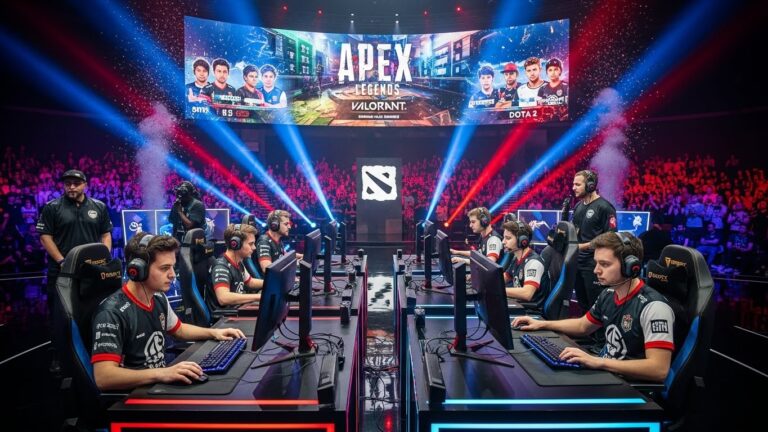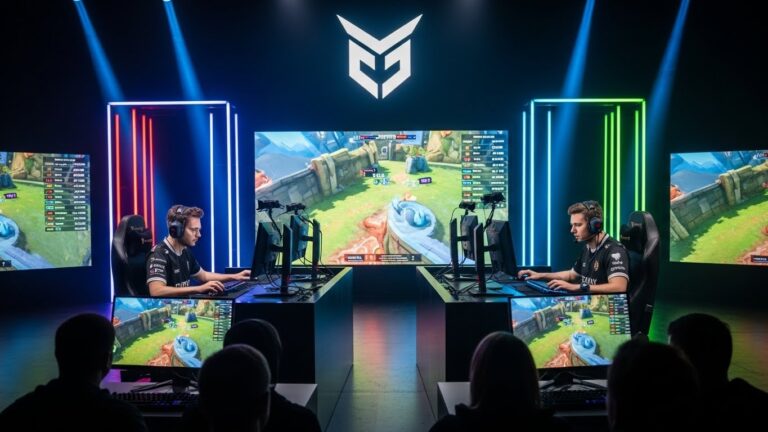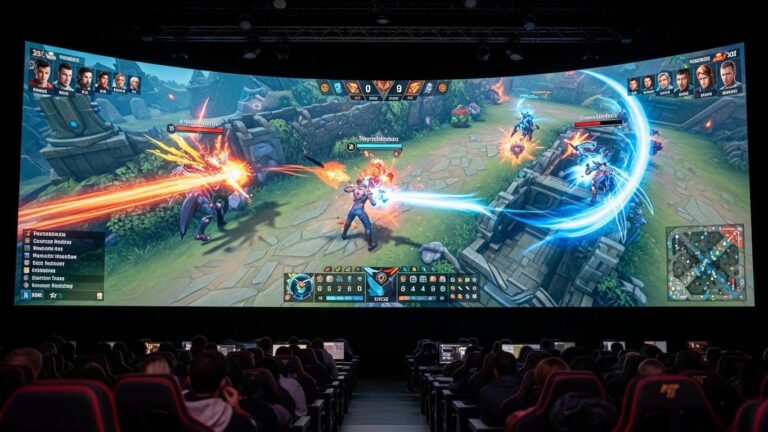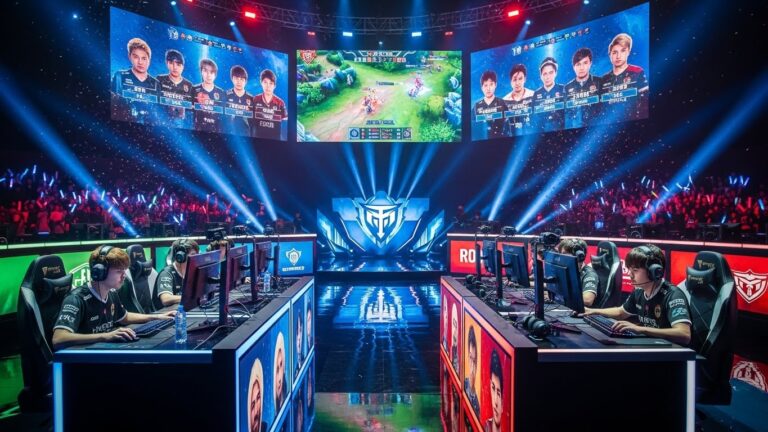

In the last decade, esports has shifted from being a niche hobby to becoming one of the most dynamic and rapidly growing sectors in the entertainment industry. What was once considered a pastime for a small group of passionate gamers has now exploded into a global phenomenon, attracting millions of fans, professional players, and investors. This digital revolution in competitive gaming is changing the landscape of entertainment, creating new opportunities and challenges in both the gaming and sports industries. In this post, we explore how esports has evolved, its appeal to audiences worldwide, and where it might be headed in the future.
What Exactly is Esports?
Esports, or electronic sports, refers to organized, multiplayer video game competitions. These competitions typically involve professional players or teams competing in popular games across various genres, such as first-person shooters (FPS), real-time strategy (RTS), and multiplayer online battle arena (MOBA) games. Games like League of Legends, Dota 2, Counter-Strike: Global Offensive, and Fortnite are at the forefront of the esports scene, attracting millions of viewers and huge prize pools.
Unlike casual gaming, esports has a highly structured competitive format. Professional players train rigorously, analyze strategies, and play at the highest level in front of large live audiences or through streaming platforms. Just like traditional sports, esports has tournaments, leagues, and professional teams, creating a robust infrastructure for players and fans alike.
The Explosive Growth of Esports
Over the past decade, esports has seen exponential growth in both audience and revenue. What started as small, localized tournaments has transformed into large-scale global events that fill massive arenas and stream to millions of viewers across the world. In 2020 alone, the global esports audience was estimated to be around 495 million, with predictions that the figure will grow to over 646 million by 2023. This incredible growth has caught the attention of major investors, traditional sports organizations, and mainstream media.
The expansion of esports has been fueled by several factors. The rise of streaming platforms like Twitch, YouTube, and Facebook Gaming has allowed fans to watch their favorite players and teams in real-time, often interacting directly with them through live chats. With the proliferation of high-speed internet and accessible gaming technology, people can easily join in the esports experience, whether they are casual viewers or aspiring professionals.
Additionally, the increasing legitimacy of esports has led to major sponsorships and partnerships with well-known brands. Companies such as Coca-Cola, Intel, and Red Bull are just a few examples of global brands that have recognized the massive potential of esports and have invested heavily in it. This influx of sponsorships not only boosts the visibility of esports but also provides financial support to teams and players.
Why Are People Drawn to Esports?
One of the key reasons why esports has become so popular is the intense competition and skill required to excel in the games. Just like traditional sports, esports demands dedication, focus, and hours of practice to master the mechanics and strategies. Watching highly skilled players execute complex moves and strategies creates an exhilarating experience for viewers.
Esports is also incredibly accessible. Unlike traditional sports, where players need physical equipment or specific locations to practice, esports can be enjoyed with just a gaming console or a computer. This makes it possible for people of all ages, backgrounds, and geographical locations to participate in or watch esports. Whether you’re an experienced gamer or just someone looking to enjoy a thrilling match, esports offers something for everyone.
Another major appeal is the sense of community. Esports has a unique ability to bring people together through shared interests. Fans often feel a connection to their favorite teams and players, engaging with them through social media, live streaming, and fan events. This communal aspect of esports builds loyalty and passion, making it more than just watching a game; it’s about being part of a global fanbase.
Professional Esports: A New Kind of Athlete
Just as professional athletes train intensively to compete at the highest levels in sports like basketball, football, or tennis, esports players undergo rigorous practice sessions to perfect their skills. The difference is that esports players are focused on virtual arenas, honing their reflexes, game sense, and strategies to outperform their opponents.
Professional esports players are often recruited by teams or organizations that operate much like traditional sports franchises. These players sign contracts, have coaches and analysts, and engage in regular training sessions. Esports teams also have support staff, including psychologists, nutritionists, and strategists, to ensure that their players perform at peak levels.
In many cases, professional gamers can earn substantial salaries and prize money. The top players often live-stream their gameplay on platforms like Twitch, where they generate revenue from advertisements, sponsorships, and donations from their fanbase. Additionally, esports players are now household names, with fanbases that rival those of traditional sports stars. Players like Faker from League of Legends, S1mple from Counter-Strike: Global Offensive, and Ninja from Fortnite have become global icons in their own right, attracting sponsorships and endorsement deals from major brands.
Esports Events: A Thrilling Spectacle
One of the biggest draws of esports is the live event experience. Major tournaments are often held in large arenas, and fans flock to these events to watch the best players compete for massive prize pools. These tournaments are accompanied by live commentary, intricate graphics, and thrilling music, creating an electrifying atmosphere that rivals traditional sports events.
Some of the biggest esports tournaments include The International (for Dota 2), League of Legends World Championship, and the Fortnite World Cup. These events often feature prize pools worth millions of dollars, and the winners take home life-changing sums of money. Fans from around the world gather in person or watch online, joining a global community of like-minded individuals who share a passion for competitive gaming.
The Future of Esports
Looking ahead, the future of esports looks incredibly promising. The industry is expected to continue growing, both in terms of audience and financial support. As technology advances, the experience of watching and participating in esports will become even more immersive. Virtual reality (VR) and augmented reality (AR) could play significant roles in shaping how fans experience the action, offering a more interactive and engaging viewing experience.
The increasing recognition of esports in mainstream media is also a sign of its lasting impact. Esports are already being included in traditional sports events such as the Asian Games, and there are discussions about esports being included in future Olympic Games. The industry will likely continue to push the boundaries of what it means to be an athlete, creating new pathways for players and teams to succeed.
Conclusion: Esports as a Cultural Force
Esports has rapidly evolved into a dominant force in entertainment, offering something unique for players, fans, and investors alike. The combination of accessible gaming, intense competition, and a global community has created a thriving ecosystem that continues to captivate millions of people worldwide. As technology advances and the industry matures, esports is set to become a central part of the entertainment landscape, changing the way we think about sports and competition in the digital age. The digital revolution of esports is just beginning, and the future holds limitless possibilities for where it can go next.
About the Author