Introduction
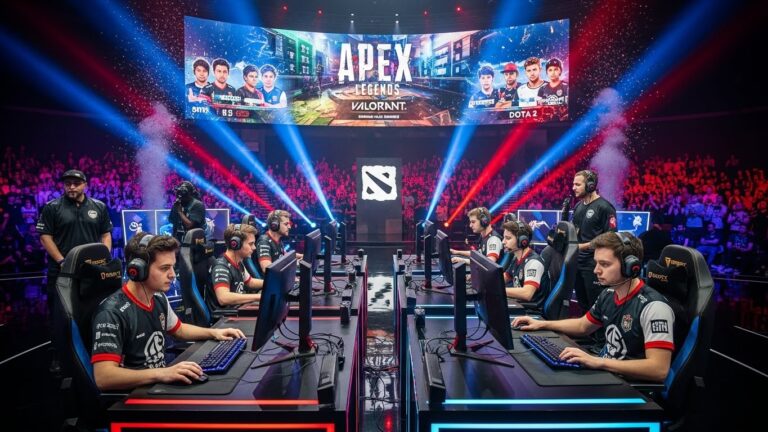
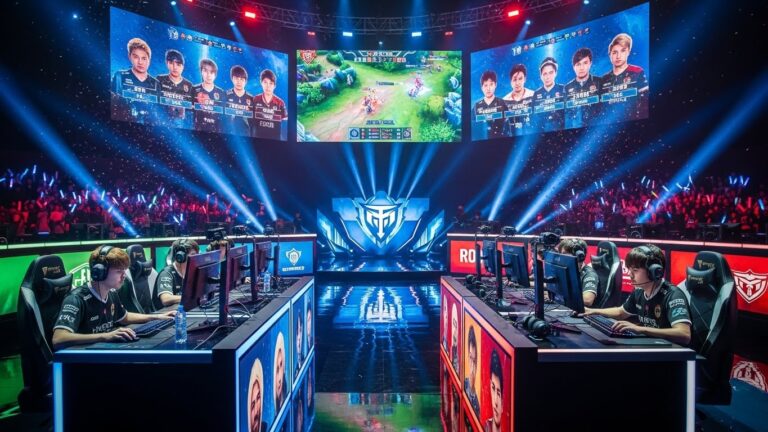
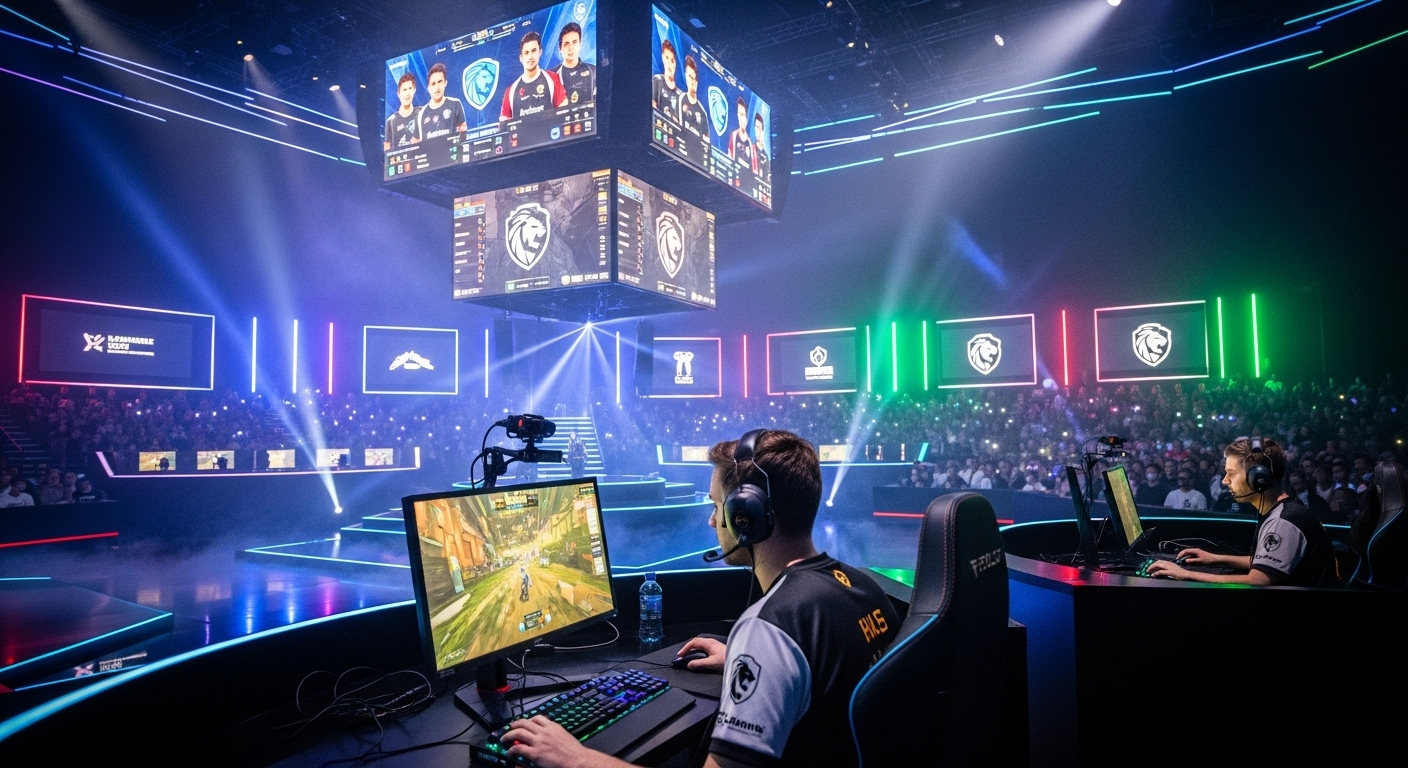
In the past two decades, the world has witnessed a revolutionary transformation in how people perceive and engage with competitive gaming. What once started as a small gathering of video game enthusiasts has now evolved into a billion-dollar global industry known as esports. Esports, short for electronic sports, refers to organized, competitive video gaming between professional players or teams. Today, it stands shoulder to shoulder with traditional sports, attracting millions of viewers, lucrative sponsorships, and global recognition. The journey of esports from dimly lit arcades to packed arenas filled with cheering fans reflects not only technological advancement but also the changing dynamics of modern entertainment.
The Origins of Esports
The concept of competitive gaming can be traced back to the early days of video games in the 1970s. One of the first known gaming competitions took place in 1972 at Stanford University, where students competed in the game Spacewar. The winner received a subscription to a technology magazine—far from the million-dollar prizes of today, but it marked the birth of organized gaming.
As technology advanced, arcade games like Pac-Man, Donkey Kong, and Space Invaders became cultural sensations. By the 1980s, gaming tournaments began attracting larger audiences, and competitions like the Space Invaders Championship drew thousands of participants across the United States. This era marked the beginning of competitive gaming as a spectator activity, though it was still far from the mainstream entertainment it is today.
The Rise of Online Gaming and Early Esports
The 1990s brought about a new era for gaming with the advent of personal computers and the internet. Titles such as Doom, Quake, and StarCraft introduced multiplayer gameplay that allowed players to compete online. The ability to connect with others globally revolutionized how games were played and paved the way for modern esports.
South Korea played a pivotal role in popularizing esports during the late 1990s and early 2000s. With widespread internet access and government support for technology infrastructure, gaming cafes became social hubs. Games like StarCraft became national phenomena, and professional leagues emerged with televised tournaments and celebrity players. South Korea’s early embrace of esports laid the foundation for the global expansion of competitive gaming.
The 2000s: The Professionalization of Esports
The early 2000s were a defining period for esports, marking its transition from casual competition to professional entertainment. Major tournaments like the World Cyber Games and the Electronic Sports World Cup were established, giving players from around the world a platform to compete at the highest level.
During this time, first-person shooters such as Counter-Strike and real-time strategy games like Warcraft III dominated the scene. Meanwhile, fighting games such as Street Fighter and Super Smash Bros. built dedicated communities that continue to thrive today. Sponsorships began to flow into the industry, with hardware manufacturers, energy drink companies, and tech brands seeing the potential in reaching the gaming audience.
The Streaming Revolution
The single most transformative event for esports was the rise of online streaming platforms. Before streaming, esports was limited to niche audiences who followed tournaments through forums or small-scale broadcasts. However, the launch of platforms such as Twitch in 2011 changed everything.
Streaming allowed fans worldwide to watch their favorite players and teams live from their homes. It democratized access to competitive gaming, breaking down barriers that once limited viewership to specific regions. Streamers became celebrities in their own right, and esports viewership exploded. The convenience and community aspect of streaming helped build a global audience, making esports one of the most-watched forms of entertainment among young people.
The Modern Era of Esports
Today, esports is an industry that rivals traditional sports in both scale and structure. Major tournaments fill arenas with thousands of fans, while millions more watch online. Games like League of Legends, Dota 2, Counter-Strike 2, and Valorant dominate the competitive landscape, each with professional leagues, team organizations, and international championships.
League of Legends, for instance, has built a global ecosystem of regional leagues culminating in the annual World Championship, which attracts viewership numbers comparable to major sporting events. Dota 2’s annual tournament, The International, is known for its enormous prize pools funded through community contributions, reaching tens of millions of dollars.
The professionalization of esports has also led to the rise of gaming organizations such as FaZe Clan, Cloud9, Team Liquid, and T1. These organizations operate like sports franchises, with players under contract, coaching staff, analysts, and marketing teams. The players themselves have become international celebrities, earning substantial salaries, sponsorships, and fan followings.
The Economics of Esports
The financial ecosystem of esports has grown tremendously. The industry’s revenue comes from a combination of sponsorships, advertising, media rights, merchandise, ticket sales, and in-game purchases. Sponsors see esports as a gateway to reach the coveted younger demographic that consumes digital content more than traditional media.
Prize pools for major tournaments can reach staggering figures. For example, Dota 2’s The International has awarded over $40 million in a single event, while Fortnite’s World Cup and League of Legends’ championships also boast multi-million-dollar prizes. Beyond tournament earnings, many players supplement their income through streaming, brand endorsements, and social media influence.
Esports has also spurred growth in related industries such as gaming hardware, apparel, and event management. Universities and educational institutions have even begun offering esports scholarships, recognizing competitive gaming as a legitimate career path.
The Role of Technology in Esports Growth
Technological advancement has been the backbone of esports’ success. High-speed internet, powerful gaming hardware, and real-time communication platforms have made competitive gaming seamless and accessible. Game developers have also played a significant role by designing games specifically with competitive balance and spectator engagement in mind.
Artificial intelligence, data analytics, and performance tracking tools are increasingly being used by teams to analyze player behavior and improve strategy. Virtual reality and augmented reality may further revolutionize esports in the future by providing immersive viewing experiences.
Esports as a Cultural Phenomenon
Esports is no longer just about competition; it has become a cultural movement that influences fashion, music, and entertainment. Collaborations between gaming brands and musicians, fashion designers, and mainstream celebrities have blurred the lines between gaming and pop culture.
Tournaments now feature live music performances, celebrity appearances, and elaborate opening ceremonies. Esports athletes are invited to major talk shows, documentaries are made about their journeys, and gaming highlights trend across social media platforms. For younger generations, esports is more than a pastime—it’s a lifestyle and a community.
The Social Impact of Esports
Beyond entertainment, esports has had significant social implications. It has created communities that connect people across borders, languages, and backgrounds. For many, esports serves as a social platform where friendships are built and teamwork is fostered.
Esports has also provided new opportunities for individuals with disabilities, as gaming can be an inclusive medium where physical limitations do not restrict participation. Moreover, educational programs and youth initiatives centered around esports teach valuable skills such as leadership, communication, and critical thinking.
However, like any growing industry, esports faces challenges. Issues such as player burnout, toxic behavior in online communities, and lack of regulation in certain regions have sparked discussions about the industry’s responsibilities. Nonetheless, ongoing efforts to promote mental health awareness, fair play, and diversity are helping to build a more sustainable future for esports.
The Global Reach of Esports
One of esports’ greatest strengths is its universal appeal. While traditional sports often depend on regional or national followings, esports transcends geography. Players from all over the world can compete on the same virtual battlefield. Countries like South Korea, China, the United States, and various European nations have become powerhouses in the scene, while emerging regions like the Middle East, South America, and Southeast Asia are rapidly catching up.
International tournaments showcase this diversity, bringing together teams from multiple continents and creating a sense of global unity. Language barriers are bridged through shared passion and universal gaming experiences. This inclusivity makes esports a truly global phenomenon that continues to expand year after year.
Esports and Traditional Sports: A New Rivalry or Partnership?
A common question is whether esports should be considered on par with traditional sports. While some purists argue that physical activity defines sports, others point out that esports demands high levels of strategy, reflexes, and teamwork comparable to traditional athletic competition.
Many traditional sports organizations now recognize the potential of esports and have invested heavily in the industry. Football clubs, basketball teams, and even Formula 1 organizations have launched their own esports divisions. The lines between the two worlds are blurring, with crossover events and shared sponsorships becoming increasingly common.
Furthermore, esports may even find its place in global sporting events. There has been growing discussion about including competitive gaming in the Olympic Games, with demonstration events already taking place at several international sports festivals.
The Future of Esports
The future of esports looks brighter than ever. With the continuous advancement of technology, increasing global connectivity, and growing acceptance of gaming as a mainstream pursuit, esports is expected to reach new heights.
Mobile gaming, in particular, is driving growth in regions with lower access to high-end PCs or consoles. Titles like Mobile Legends, PUBG Mobile, and Free Fire have created massive competitive ecosystems, attracting millions of players and fans worldwide.
The metaverse, blockchain gaming, and virtual reality may further reshape the esports experience, offering new ways for fans to interact and for players to compete. Esports could soon move beyond screens into immersive digital environments where spectators participate as much as they observe.
Education and career opportunities in esports are also expanding. Universities are offering degrees in esports management, marketing, and broadcasting. The ecosystem is evolving into a full-fledged industry with career paths not just for players but also for coaches, analysts, commentators, and event organizers.
Conclusion
From humble beginnings in university laboratories to filling global stadiums, esports has traveled a long and remarkable journey. It represents the intersection of technology, entertainment, and human competition. More than just video games, it embodies teamwork, strategy, dedication, and creativity.
Esports has transformed the way people play, watch, and connect. It has become a cultural force that defines a generation and shapes the future of digital entertainment. As technology continues to evolve and global participation increases, esports will undoubtedly continue to grow, innovate, and inspire millions around the world.
In the coming years, esports will not merely coexist with traditional forms of sports and entertainment—it will redefine them. The digital age belongs to esports, and its story is still being written by the players, fans, and communities who bring it to life every single day.
About the Author