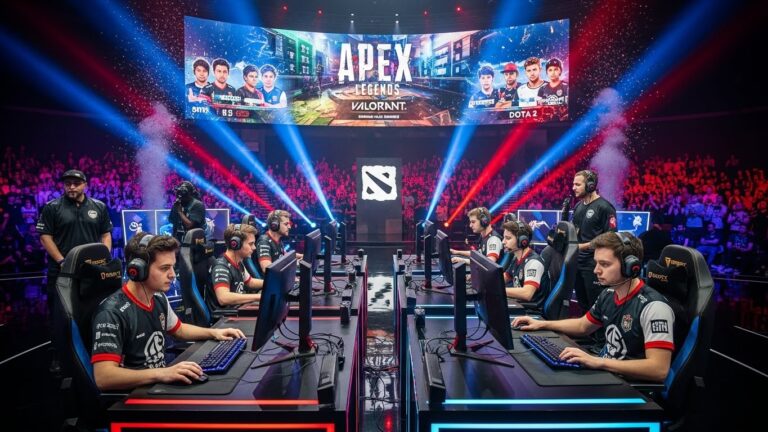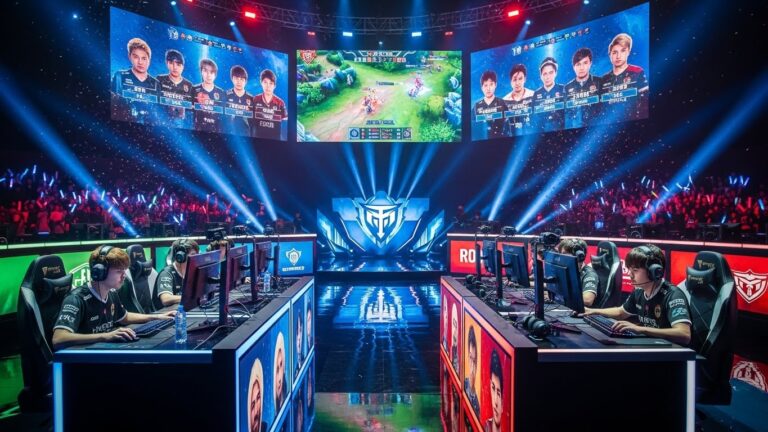
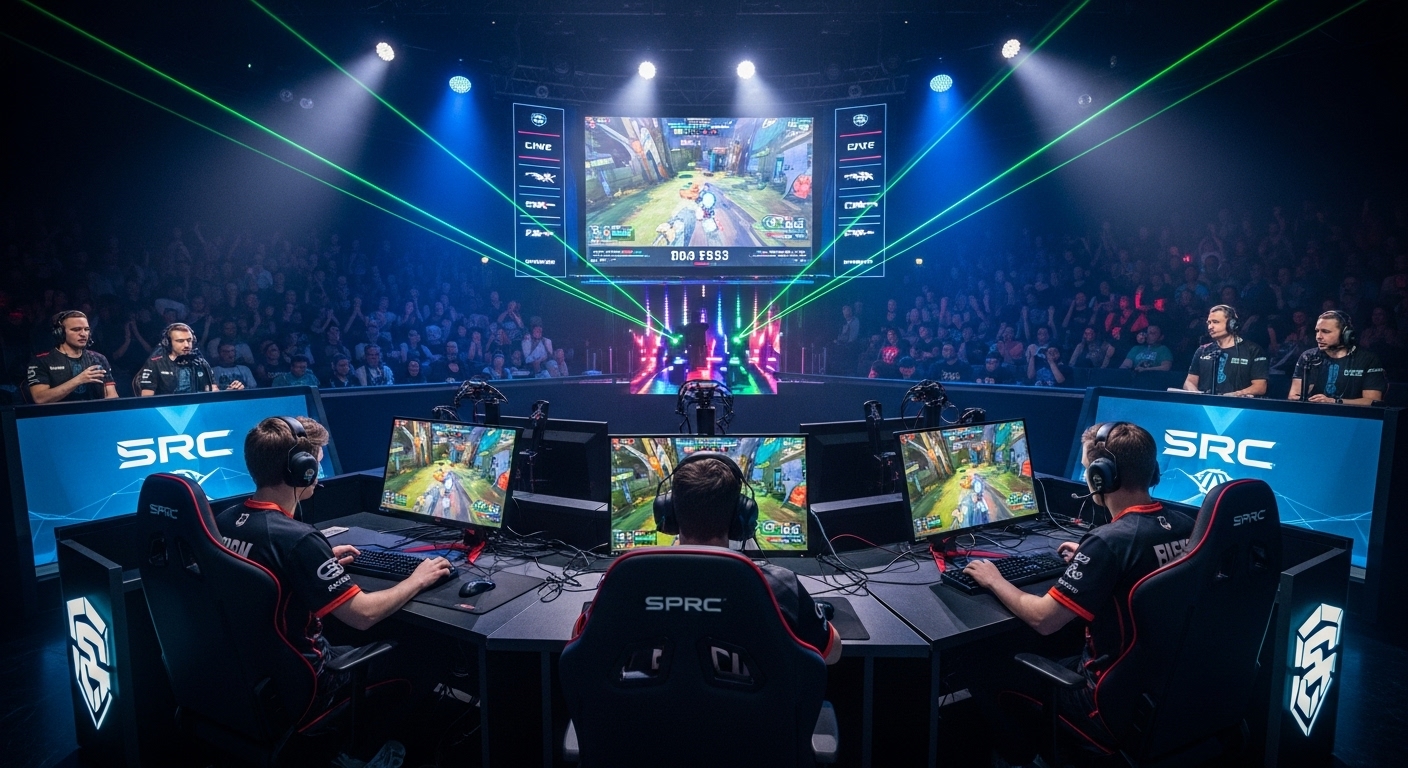
Esports has evolved into a global phenomenon, attracting millions of viewers and transforming competitive gaming into a major entertainment industry. Central to this growth is live streaming, which allows fans to watch their favorite players and tournaments in real time from anywhere in the world. Live esports streaming platforms have not only made gaming more accessible but also created communities, sponsorship opportunities, and new revenue streams.
This blog explores the top platforms for live esports streaming, highlighting their features, strengths, and how they contribute to the growing esports ecosystem.
Twitch: The Pioneer of Live Esports Streaming
Twitch is widely regarded as the leading platform for live esports streaming. Since its launch, it has become the go-to destination for competitive gaming, casual streaming, and fan interaction. Twitch offers robust features, including live chat, subscriptions, and interactive overlays, which allow fans to engage directly with streamers.
The platform hosts major esports tournaments across games like League of Legends, Counter-Strike, Fortnite, and Valorant. Twitch’s community-driven model encourages interaction, while partnerships with professional esports organizations ensure access to high-quality broadcasts. Its massive audience base and established infrastructure make it a top choice for both viewers and professional streamers.
YouTube Gaming: The Global Streaming Powerhouse
YouTube Gaming, an extension of the popular YouTube platform, has become a key player in live esports streaming. Known for its ease of access and wide reach, YouTube Gaming allows fans to watch live tournaments, highlights, and VODs (video on demand).
One of the main advantages of YouTube Gaming is its integration with Google services, enabling advanced search, recommendations, and personalized notifications. Large-scale esports events often choose YouTube for its global accessibility and stable streaming capabilities. The platform also supports monetization options, helping streamers and esports organizations generate revenue from live content.
Facebook Gaming: Expanding Esports Audiences
Facebook Gaming has emerged as a growing platform for live esports streaming, leveraging the social media giant’s massive user base. Its strength lies in integrating gaming content directly into social feeds, making it easy for fans to discover streams and engage with communities.
The platform provides interactive features such as live chat, fan reactions, and sharing options that enhance engagement. Facebook Gaming has attracted professional esports organizations and tournaments seeking to reach broader audiences, particularly in regions where social media is a primary form of content consumption. Its accessibility and social features make it an appealing platform for both casual viewers and competitive esports fans.
Trovo: A Rising Star in Esports Streaming
Trovo is an emerging platform that focuses on interactive live streaming and esports content. With a growing international user base, Trovo aims to provide high-quality broadcasts and strong community engagement tools.
The platform emphasizes features such as real-time chat, tipping, and gamification, which encourage fan participation and loyalty. Trovo supports both established esports tournaments and independent streamers, making it a versatile option for viewers seeking diverse gaming content. Its commitment to innovation and community interaction positions it as a promising contender in the esports streaming market.
Caffeine: A Social and Interactive Approach
Caffeine is a live streaming platform that emphasizes social interaction and real-time engagement. It targets both gaming and entertainment content, providing a dynamic experience for viewers and creators.
Caffeine’s interface focuses on simplicity and accessibility, with real-time reactions, chat features, and interactive elements that enhance the live experience. The platform has gained popularity among esports fans for its intimate community feel and ease of connecting with streamers. By blending social interaction with live esports content, Caffeine offers a unique streaming experience that appeals to dedicated viewers.
Mixer (Legacy Influence)
Although Mixer was officially discontinued, it played an important role in shaping live esports streaming. Owned by Microsoft, Mixer introduced innovative features like ultra-low latency streaming and interactive viewer experiences, which influenced how modern platforms structure live broadcasts.
Its legacy continues through technology and design principles adopted by other platforms, demonstrating how innovation in streaming features can enhance engagement and set industry standards. Lessons learned from Mixer’s approach continue to inform the development of esports streaming today.
Discord: Community-Focused Streaming
Discord, while primarily a communication platform, has become increasingly important for esports streaming. It allows smaller communities to host private streams, coordinate tournaments, and engage with content in a more intimate setting.
Discord’s strengths lie in its community management tools, real-time voice and video chat, and integrations with game servers. Esports teams and organizations use Discord to connect directly with fans, conduct live practice sessions, and stream content to dedicated communities. While it may not rival major streaming platforms in scale, its community-driven approach adds depth and engagement to the esports ecosystem.
Comparison of Platforms: Features and Use Cases
Different esports streaming platforms cater to distinct audiences and needs:
- Twitch: Best for professional esports events, large audiences, and interactive features.
- YouTube Gaming: Ideal for global reach, VOD availability, and integrated analytics.
- Facebook Gaming: Strong for social integration and discovery among casual viewers.
- Trovo: Innovative engagement features and support for independent creators.
- Caffeine: Social and interactive streaming experience for close-knit communities.
- Discord: Community-focused, intimate streaming and engagement platform.
Understanding the strengths of each platform helps esports organizations, streamers, and fans choose the best medium for their needs. Many professional tournaments utilize multiple platforms simultaneously to maximize viewership and engagement.
How Live Streaming Is Transforming Esports
Live streaming has fundamentally changed how esports is consumed, organized, and monetized. Unlike traditional sports, esports fans can interact directly with players and teams in real time. Viewers can ask questions, participate in polls, and influence content, creating a highly immersive experience.
Streaming platforms also expand monetization opportunities for players and organizations through subscriptions, donations, sponsorships, and advertising. The growth of live esports streaming has attracted major investors and brands, fueling further industry expansion.
Furthermore, live streaming makes esports accessible worldwide. Fans no longer need to attend events physically; they can watch top-tier tournaments from anywhere, bridging geographical gaps and fostering a global community.
Future Trends in Esports Streaming
The future of esports streaming is likely to feature further innovation and integration of emerging technologies:
- Virtual and augmented reality: Immersive experiences where fans feel part of the action.
- Artificial intelligence: Personalized recommendations, highlights, and analytics for viewers.
- Enhanced interactivity: Real-time voting, mini-games, and augmented features for fan participation.
- Cross-platform broadcasting: Simultaneous streaming across multiple platforms to maximize audience reach.
As technology advances, streaming platforms will continue to shape how esports is consumed, making it more engaging, interactive, and inclusive for fans worldwide.
Conclusion
Live esports streaming platforms have revolutionized the way competitive gaming is viewed and experienced. From Twitch and YouTube Gaming to emerging platforms like Trovo and Caffeine, each offers unique features and engagement opportunities for players and fans. Community-focused platforms like Discord further enhance connectivity, while innovations in technology continue to redefine streaming experiences.
For esports organizations, players, and fans, choosing the right platform is crucial for maximizing engagement, accessibility, and entertainment value. Live streaming has not only expanded the audience for esports but also strengthened its position as a legitimate and dynamic part of the global sports and entertainment industry.
As the esports industry continues to grow, live streaming will remain at its core, connecting fans, players, and organizations in real time and shaping the future of competitive gaming worldwide.
About the Author