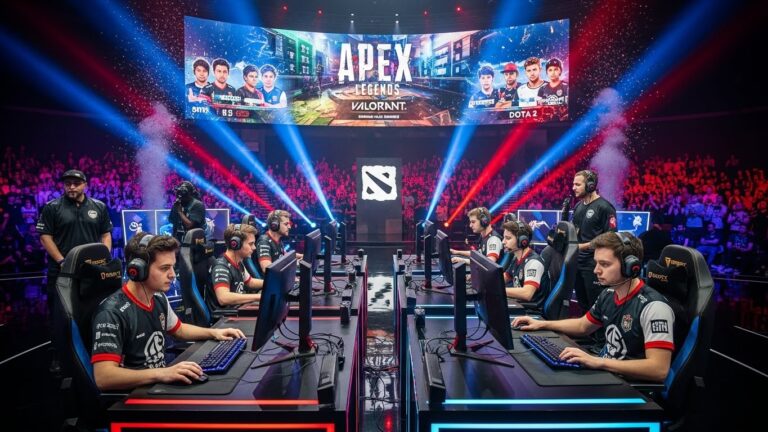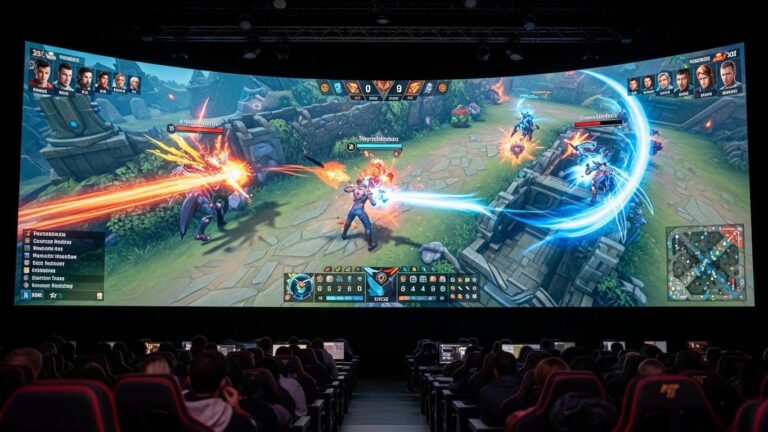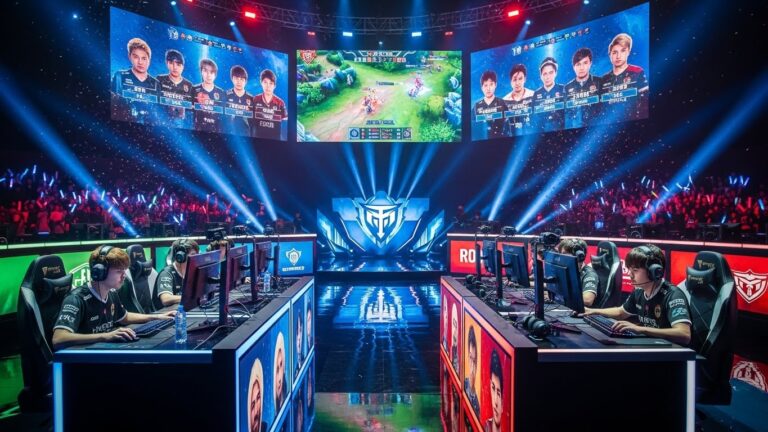

Competitive gaming has grown into a global phenomenon, attracting millions of players, spectators, and professional teams. At the heart of every successful competitive title is game balance — the careful calibration of characters, weapons, abilities, and mechanics to ensure fair and engaging gameplay. Developers play a critical role in maintaining this balance, constantly analyzing data, listening to the community, and iterating on their designs.
Balancing competitive games is a complex task because developers must satisfy multiple stakeholders: casual players, professional players, content creators, and esports organizations. This blog explores how developers balance competitive games, including the strategies, tools, and philosophies they use to maintain fairness, diversity, and competitive integrity.
The Importance of Balance in Competitive Games
Balance is fundamental to competitive games for several reasons:
- Fairness: Players must feel that victory is determined by skill and strategy, not by overpowered mechanics or unfair advantages.
- Diversity: A balanced game encourages a variety of strategies, characters, or playstyles rather than allowing one dominant approach to emerge.
- Longevity: Balanced games retain players longer because gameplay remains engaging and competitive.
- Esports Viability: For professional competition, balance ensures that matches are exciting, strategic, and unpredictable.
Without balance, games risk stagnation, community frustration, and declining competitive interest.
1. Data-Driven Analysis
Modern developers rely heavily on data analytics to understand game balance. This includes tracking:
- Win rates for characters, heroes, or weapons.
- Pick rates in competitive and casual modes.
- Performance statistics at professional levels.
- Player feedback and in-game behavior patterns.
By analyzing these metrics, developers can identify imbalances. For example, if one character consistently wins 60% of matches at all skill levels, it may indicate that adjustments are necessary.
Data-driven insights allow developers to make informed balance changes rather than relying solely on intuition.
2. Community Feedback and Professional Input
Player communities are a valuable source of information for developers. Forums, social media, and official feedback channels help identify balance issues and gauge player sentiment.
- Professional Players: Pro players often discover subtle advantages or disadvantages that may not be obvious in casual play. Developers may consult pros to understand competitive implications.
- Community Observations: High-level statistics from community matches can reveal trends that indicate imbalance.
- Feedback Integration: Developers must weigh community opinions carefully, balancing vocal minority complaints against broader data trends.
By combining professional insight with community input, developers can create balance adjustments that satisfy both casual and competitive players.
3. Patch Updates and Iterative Changes
Balance is rarely perfect on release. Developers maintain competitive integrity through regular updates and patches, which often include:
- Nerfs: Reducing the power or effectiveness of overperforming characters, weapons, or strategies.
- Buffs: Strengthening underperforming elements to increase viability.
- Quality-of-Life Adjustments: Minor changes to usability, cooldowns, or timing to improve fairness.
Iterative updates allow developers to respond to evolving meta trends and unforeseen interactions. These small, regular adjustments are often more effective than infrequent large-scale overhauls.
4. Playtesting and Simulation
Before releasing balance changes, developers engage in extensive playtesting to ensure that modifications have the intended effect:
- Internal Playtests: Developers and testers simulate competitive scenarios to evaluate new changes.
- Closed Beta Testing: Selected players or professional teams test balance changes in controlled environments.
- Simulation Models: Algorithms and AI simulations can predict how changes will impact overall gameplay, identifying potential issues before public release.
Playtesting and simulations reduce the risk of introducing overcorrections or unintentionally breaking the meta.
5. Meta Monitoring and Adaptation
The meta (most effective tactics available) evolves as players discover optimal strategies. Developers must monitor meta shifts to maintain balance:
- Observation of Professional Play: Top-level competition often drives the meta, revealing strengths and weaknesses in the system.
- Adjusting for Dominance: If one strategy becomes overwhelmingly dominant, developers may tweak mechanics to encourage diversity.
- Encouraging Innovation: Balance changes can inspire new strategies and counterplay options, keeping the game dynamic.
By actively managing the meta, developers ensure that gameplay remains varied and competitive.
6. Transparency and Communication
Successful developers maintain transparency about balance philosophy and changes:
- Patch Notes: Detailed patch notes explain the reasoning behind adjustments, helping players understand and adapt.
- Developer Insights: Blogs, videos, and interviews offer context on balance decisions, demonstrating commitment to fairness.
- Community Engagement: Open communication fosters trust and reduces backlash from unpopular changes.
Transparency helps players feel respected and informed, even when balance changes disrupt established strategies.
7. Testing for Competitive Integrity
Competitive games must maintain integrity, meaning that no unintended exploits or dominant strategies should undermine fair play. Developers achieve this through:
- Bug Fixes: Eliminating exploits, glitches, or unintended interactions that create unfair advantages.
- Standardized Rules: Ensuring competitive modes are consistent with intended gameplay mechanics.
- Monitoring Professional Events: Adjusting rules or balance for tournaments to maintain fairness.
Competitive integrity is crucial for esports and ensures that skill, not exploits, determines outcomes.
8. Balancing Diversity and Accessibility
Developers must balance competitive depth with accessibility:
- High Skill Ceiling: Competitive players need room for mastery and innovation.
- Low Skill Floor: New players must be able to enjoy the game without being overwhelmed by complexity or imbalance.
- Character or Strategy Variety: Encouraging multiple viable approaches prevents stale gameplay and maintains long-term engagement.
This balance between depth and accessibility ensures the game thrives across casual, competitive, and professional audiences.
9. Long-Term Strategic Planning
Developers often take a long-term approach to balance, considering how changes will affect the game over months or years:
- Seasonal Updates: Many games implement seasonal balance cycles to refresh strategies and prevent stagnation.
- Predictive Adjustments: Developers anticipate potential shifts in the meta, preemptively adjusting mechanics.
- Player Retention: Balance planning considers how changes will impact player satisfaction and retention.
Long-term balance strategies help prevent drastic swings in competitiveness and maintain a healthy ecosystem.
10. The Role of Analytics and AI
Advanced tools, including analytics and AI, increasingly assist developers in balancing competitive games:
- Data Mining: Collecting millions of matches to identify trends, outliers, and potential balance issues.
- AI Simulations: Testing hypothetical balance changes across thousands of virtual games to predict outcomes.
- Predictive Modeling: Estimating how adjustments will affect win rates, pick rates, and strategic diversity.
Analytics and AI provide objective, scalable insights that complement human observation and playtesting.
Conclusion
Balancing competitive games is both an art and a science. Developers must account for player skill, meta evolution, fairness, accessibility, and esports integrity. Through data-driven analysis, community feedback, iterative updates, playtesting, and long-term planning, developers create competitive environments where skill and strategy, not luck or imbalance, determine success.
Ultimately, the best-balanced games are those that evolve with their players — maintaining diversity, encouraging innovation, and keeping the competitive scene vibrant. Developers are the guardians of this delicate ecosystem, constantly refining the experience to ensure that esports remains fair, exciting, and enduring.
About the Author