
Introduction
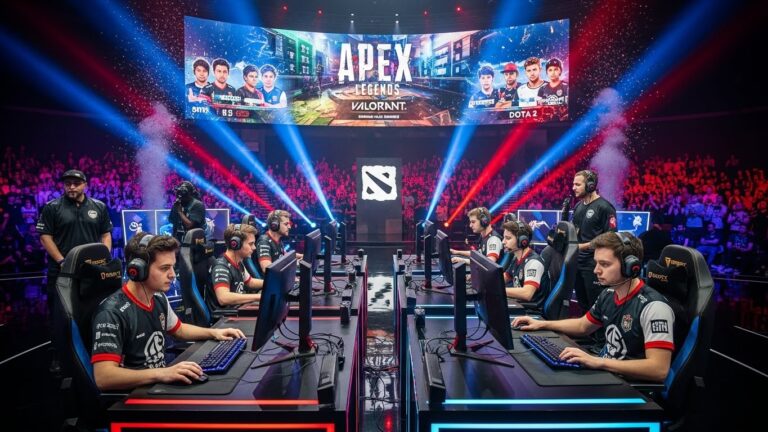
Esports has rapidly transformed from small-scale gaming tournaments in crowded arcades to a professional global industry valued at billions of dollars. Once dismissed as just a “hobby,” competitive gaming now rivals traditional sports in terms of viewership, sponsorships, and influence. The rise of esports demonstrates not only the power of technology but also the incredible potential of online communities. In this blog, we’ll explore how esports became a business empire, the revenue streams driving its growth, the challenges it faces, and where the future of the industry lies.
The Humble Beginnings of Esports
The business of esports started modestly. In the late 1990s and early 2000s, most competitions were organized by enthusiasts, and the prizes were small—sometimes just gaming equipment or a few thousand dollars. Companies like Major League Gaming (MLG) began to organize structured leagues in the United States, while South Korea led the global charge by creating professional StarCraft leagues with televised matches.
These early stages taught the world a valuable lesson: gamers and fans were willing to watch others play, and companies could monetize this passion. The real turning point, however, came with the rise of streaming.
Streaming Platforms and Their Role
Platforms like Twitch, YouTube Gaming, and Facebook Gaming opened the doors to a much larger audience. Suddenly, esports events weren’t limited to physical stadiums—they could reach millions of people around the globe. Twitch in particular became the home of esports, hosting live broadcasts of tournaments and player streams that drew massive traffic.
Streaming created two major revenue sources:
- Advertising & Sponsorships: Brands could now place ads directly in streams or sponsor tournaments and streamers.
- Subscriptions & Donations: Fans contributed financially through monthly subscriptions, donations, and in-platform currencies.
This marked the first time esports started generating consistent, significant revenue.
The Rise of Professional Teams
Esports teams evolved from small groups of friends into organizations worth millions. Today, teams like FaZe Clan, Cloud9, Team Liquid, and T1 are household names, boasting huge fanbases, merchandise lines, and even celebrity investors.
Revenue streams for teams include:
- Sponsorship deals with brands like Red Bull, Monster, Nike, and BMW.
- Merchandise sales, from jerseys to gaming accessories.
- Tournament winnings, though this is often a smaller slice compared to sponsorships.
- Content creation on platforms like YouTube and Twitch.
Teams now operate like traditional sports clubs, with player transfers, coaching staff, and training facilities.
Prize Pools and Tournaments
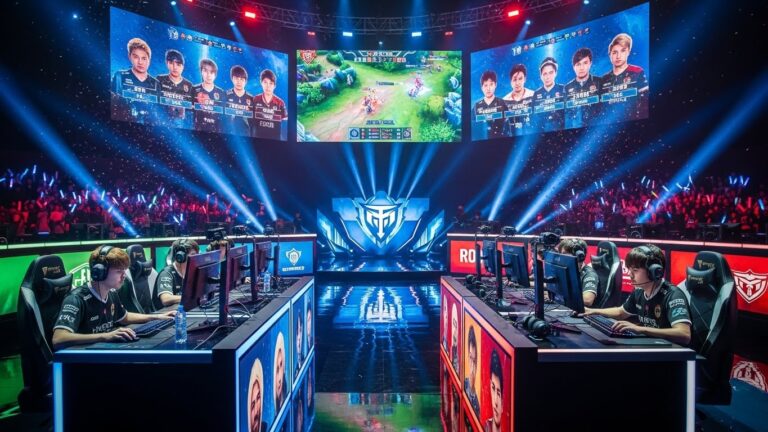
Big tournaments like The International (Dota 2) and League of Legends World Championship showcase the financial scale of esports. The International 2019, for example, offered a prize pool of over $34 million, mostly crowdfunded by fans through in-game purchases.
These tournaments don’t just reward players—they bring in millions in ticket sales, streaming rights, and sponsorship deals. Stadiums sell out, and millions more tune in online, creating a hybrid entertainment model similar to football or basketball.
Sponsorships: The Fuel of Esports
Corporate sponsorships remain the largest source of revenue in esports. Brands see esports as a way to connect with younger, digitally savvy audiences. From tech companies like Intel and NVIDIA to mainstream brands like Coca-Cola and Louis Vuitton, sponsorship has legitimized esports on a global scale.
Sponsorships typically cover:
- Event sponsorships (naming rights, logos on stages).
- Team partnerships (logos on jerseys, exclusive product deals).
- Player endorsements, turning pro gamers into brand ambassadors.
Media Rights and Broadcasting
Much like traditional sports, esports has entered the realm of media rights. Platforms and TV networks pay to broadcast major tournaments. For example, ESPN, BBC, and TBS have experimented with broadcasting esports events. While most viewers still prefer Twitch or YouTube, traditional media companies recognize the opportunity and are investing heavily.
Merchandise and Branding
Esports organizations have learned the importance of branding. Jerseys, hoodies, hats, and even lifestyle products are being sold to fans, creating revenue outside of competition. FaZe Clan, for instance, blends gaming with streetwear culture, building an empire that extends beyond esports.
Esports and Franchised Leagues
In recent years, esports has begun to mirror traditional sports leagues. Franchised leagues like the Overwatch League (OWL) and the Call of Duty League (CDL) introduced city-based teams with permanent slots, revenue-sharing models, and global sponsorship deals.
Franchising created stability for investors and teams by eliminating the constant fear of relegation. However, it also brought challenges, such as high buy-in fees (reportedly $20–30 million per team), which limited participation to well-funded organizations.
The Role of Technology and Infrastructure
Esports wouldn’t exist without technology. From high-speed internet to powerful gaming PCs, technology enables the entire ecosystem. Cloud gaming, 5G, and VR are expected to shape the next phase of esports. Additionally, esports infrastructure such as training facilities, dedicated arenas, and analytics tools has professionalized the industry.
Esports Beyond Playing: Other Career Paths
The business of esports extends far beyond players and teams. Opportunities exist in:
- Commentary and casting
- Event management and production
- Game development and balancing
- Marketing, PR, and sponsorship management
- Coaching and analytics
This expansion has created thousands of jobs, proving esports is a real industry with long-term sustainability.
Challenges Facing Esports
Despite its success, esports faces challenges:
- Player burnout due to intense schedules.
- Sustainability of prize pools, often dependent on crowdfunding.
- Cheating and match-fixing concerns.
- Regulation, as esports lacks a universal governing body.
- Monetization, since profitability still relies heavily on sponsorships.
The Future of Esports Business
Esports is still young, and its growth is far from over. Some predictions include:
- More franchised leagues with city-based teams.
- Increased traditional sports integration, with football clubs owning esports teams.
- Mainstream recognition, including Olympic consideration.
- Metaverse and VR integration, offering immersive esports experiences.
Conclusion
The business of esports represents one of the fastest-growing industries in modern history. What started as small tournaments in gaming cafes has grown into a billion-dollar empire rivaling traditional sports. With technology, investment, and global passion fueling it, esports is here to stay—and its business opportunities will only continue to expand.
About the Author