Introduction: The Emergence of Esports
In the last decade, esports has transitioned from a niche hobby to a global phenomenon. What was once limited to small gaming communities and informal tournaments has exploded into a multi-billion-dollar industry. Esports is no longer just about playing video games; it is a professional realm where strategy, skill, teamwork, and entertainment converge. Millions of viewers tune in to watch elite players compete, cheering for their favorite teams and forming communities around shared interests. The growth of esports highlights the transformative power of digital technology in shaping modern sports and entertainment.
The Origins of Competitive Gaming
The story of esports begins in the 1970s and 1980s, when arcade tournaments became popular in countries such as the United States and Japan. Early competitions involved simple games like Space Invaders and Pac-Man, with prizes that ranged from small tokens to trophies. These events laid the groundwork for a culture of competitive gaming.
By the late 1990s and early 2000s, multiplayer games like StarCraft, Counter-Strike, and Warcraft III became staples of organized tournaments. South Korea played a pivotal role during this period, establishing professional leagues and even broadcasting esports matches on national television. This early professionalization of esports set the stage for the global industry we see today.
Esports Genres: A Wide Spectrum of Competition
Modern esports covers a diverse range of game genres, each with unique challenges and competitive dynamics. Multiplayer Online Battle Arenas, or MOBAs, such as League of Legends and Dota 2, emphasize strategy, teamwork, and timing. First-Person Shooters like Counter-Strike and Valorant focus on precision, reflexes, and coordination. Sports simulation games like FIFA and NBA 2K replicate real-world athletic competition in a virtual environment.
This variety ensures that players of all skill levels and interests can participate, while fans can find games that match their preferences. The diversity of esports titles contributes to its broad appeal and widespread fanbase.
The Rise of Professional Players
Professional esports players are often regarded as athletes due to the rigorous training, dedication, and skill required to compete at the highest level. These players practice for several hours daily, study game mechanics, develop strategies with teammates, and maintain their physical and mental well-being. Reaction speed, communication, and decision-making under pressure are just as critical as technical proficiency.
Many esports professionals start young, entering competitive ranks through online tournaments or amateur leagues. Over time, they may join professional teams, earning salaries, sponsorships, and global recognition. These players serve as role models for aspiring gamers, demonstrating that video games can offer career opportunities beyond entertainment.
The Economics of Esports
Esports has become a lucrative industry, attracting investment from global corporations and major media organizations. Revenue streams include sponsorships, advertising, merchandise sales, media rights, and tournament prize pools. Top-tier tournaments now offer multi-million-dollar prizes, rivaling traditional sports events in terms of financial stakes and fan engagement.
Professional teams function like sports franchises, managing branding, marketing, and fan engagement. This professional structure has allowed esports to transition from casual gaming competitions into a sustainable global business, capable of providing careers not just for players but also for coaches, analysts, and content creators.
Streaming Platforms: Connecting Fans Worldwide
The popularity of esports is inseparable from the rise of streaming platforms. Services like Twitch and YouTube Gaming have enabled fans worldwide to watch live competitions, learn strategies, and interact with players. Streaming has democratized access to esports, allowing even casual viewers to follow tournaments in real-time.
Many professional players and retired athletes also use streaming to build personal brands. This constant interaction between players and fans strengthens community engagement and ensures that esports remains a dynamic, ever-present form of entertainment.
Esports Events: Bridging the Digital and Physical Worlds
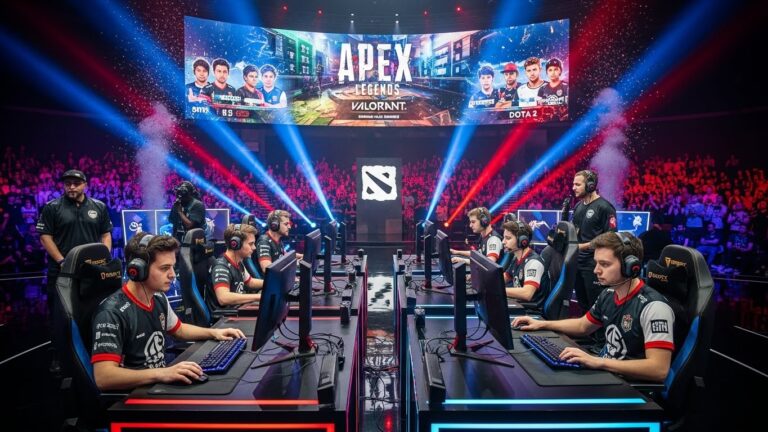
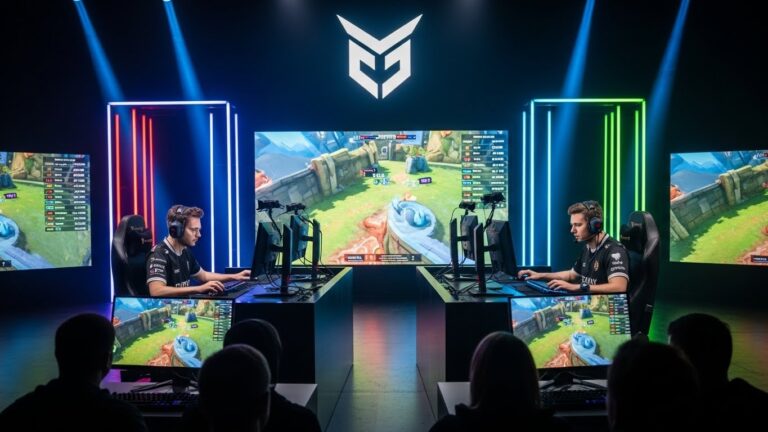
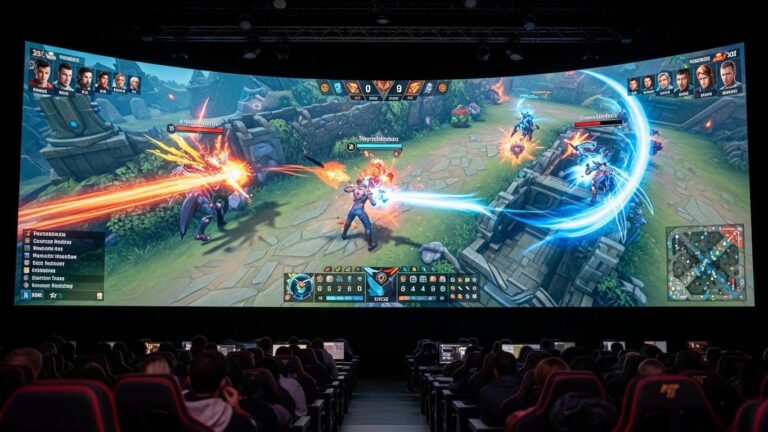
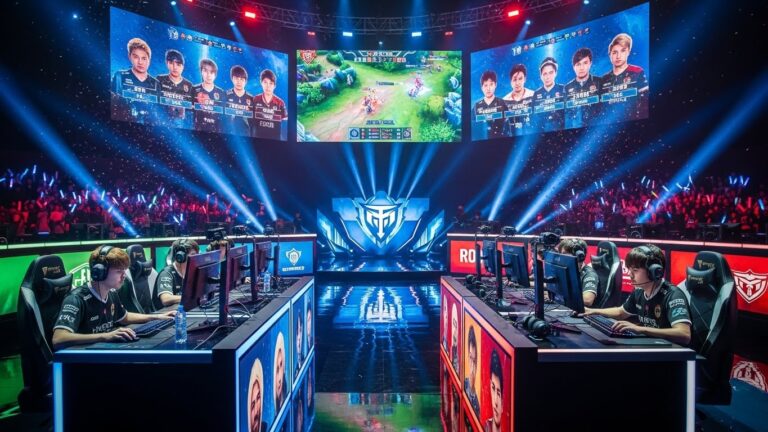
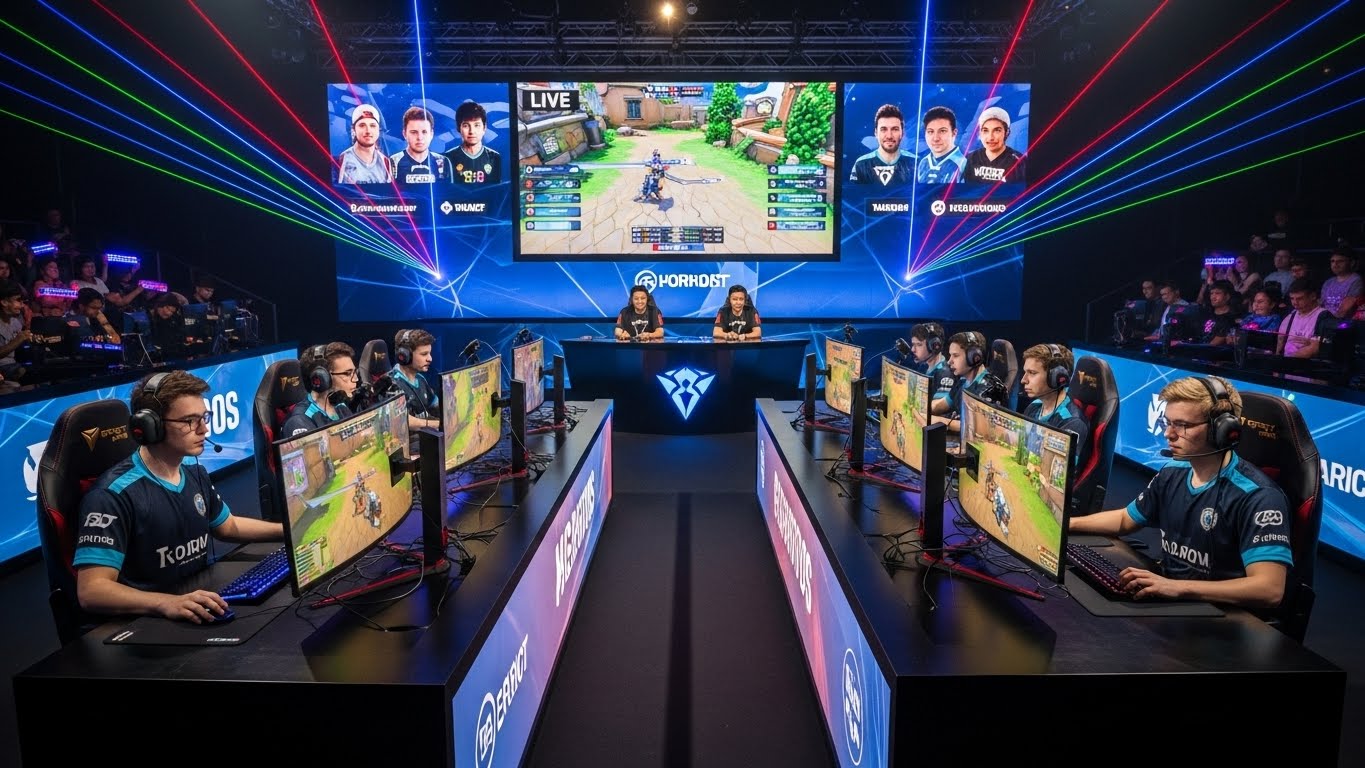
While esports primarily takes place in virtual environments, large-scale events have brought it into the physical realm. Stadiums and arenas host tournaments where thousands of spectators gather to witness live matches. Spectacle and production quality are central to these events, with massive screens displaying gameplay, commentators providing real-time insights, and stage effects enhancing the experience.
These events mirror traditional sports in their excitement, intensity, and communal energy. They also foster a sense of legitimacy for esports, demonstrating that gaming competitions can attract audiences on the same scale as major sporting events.
Esports in Education: A Growing Academic Presence
Esports has also gained recognition within educational institutions. High schools and universities now offer esports programs, providing scholarships, training facilities, and academic courses related to game development, event management, and digital media.
These programs give students an opportunity to pursue their passion while developing skills valuable for broader career paths. Teamwork, strategic thinking, communication, and digital literacy are just a few of the skills nurtured through participation in esports education.
Cultural Influence of Esports
Esports has had a profound cultural impact, shaping entertainment, social interactions, and youth identity. It creates communities that transcend national borders, allowing fans to connect and engage in shared experiences. Esports also challenges traditional perceptions of athletes, highlighting mental acuity, strategy, and collaborative skills alongside physical ability.
Furthermore, professional players often become cultural icons, influencing fashion, media, and lifestyle trends. Memes, live streams, and gaming personalities play a significant role in shaping popular culture, ensuring that esports is not just a pastime but a powerful social phenomenon.
Challenges in Esports
Despite its rapid growth, esports faces several challenges. Player burnout is a major issue due to demanding practice schedules and intense competition. Mental health concerns, including stress and anxiety, are common among professional players. Ensuring fair competition is another ongoing challenge, as cheating, match-fixing, and toxicity can undermine integrity.
Additionally, the industry must establish standardized league structures, clear regulations, and accessible pathways for aspiring players to enter professional ranks. Addressing these challenges is crucial for the long-term sustainability and credibility of esports.
The Future of Esports
The future of esports is bright and filled with possibilities. Emerging technologies like virtual reality and augmented reality could transform competitive gaming, offering more immersive experiences for players and fans alike. Esports will continue to expand globally, with more countries developing professional leagues and investment in gaming infrastructure.
Integration with traditional sports organizations is likely to increase, with collaborations that bridge digital and physical competition. As the industry matures, it is poised to become a permanent fixture in the entertainment landscape, offering new forms of storytelling, competition, and community engagement.
Conclusion: Esports as a Global Movement
Esports has come a long way from its humble beginnings in arcades and small gaming communities. It is now a thriving global movement, combining technology, culture, entertainment, and professional competition. Its rise reflects a broader shift in how we connect, compete, and celebrate achievement in a digital age.
As esports continues to grow, it redefines the boundaries of sports and entertainment, offering opportunities for players, fans, and industries alike. Its impact is undeniable, shaping culture, technology, and human connection in ways that extend far beyond the screen. Esports has truly unleashed a digital revolution, and its influence will only continue to expand in the years to come.
About the Author