Introduction
Esports, once a subculture within the gaming community, has exploded into a multi-billion-dollar industry that rivals traditional sports in terms of viewership, sponsorship, and global influence. What started as casual, local tournaments has transformed into a global phenomenon, attracting millions of players and fans around the world. Esports encompasses everything from casual gaming competitions to professional leagues with huge cash prizes, team sponsorships, and television broadcasts. In this blog, we will explore the rise of esports, its impact on society, the skills it nurtures, and what the future holds for this ever-growing industry.
The Growth of Esports: From Hobby to Industry
Esports began as a niche hobby in the 1990s, when competitive gaming was confined to small LAN parties and local tournaments. Games like “StarCraft” and “Warcraft” laid the foundation for organized online competitions, but it wasn’t until the early 2000s that the concept of esports started to gain serious traction. Titles such as “Counter-Strike” and “Dota 2” became the first games to foster large-scale international tournaments, complete with prize money and professional teams.
The real breakthrough came in the 2010s, as the rise of streaming platforms like Twitch allowed players to broadcast their gameplay to a global audience. This, combined with the increasing accessibility of high-speed internet and affordable gaming hardware, created the perfect environment for esports to flourish. By 2016, esports was officially recognized as a legitimate industry, with major sponsorship deals, player salaries, and large-scale tournaments like “The International” offering millions in prize money.
Esports as a Multi-Billion-Dollar Industry
Today, esports is a multi-billion-dollar industry with global reach. According to industry reports, esports generated over $1 billion in revenue in 2020, with projections for future growth continuing to skyrocket. The main sources of revenue for esports include sponsorships, advertising, media rights, and merchandise sales.
Sponsorships, in particular, have played a crucial role in esports’ commercialization. Global brands like Coca-Cola, Intel, and Nike have jumped on board, seeing the value in reaching the highly engaged, tech-savvy audience that esports attracts. Sponsorships not only fund tournaments but also support professional teams and individual players, creating an ecosystem where the best players in the world can earn millions.
Moreover, esports has seen increased interest from traditional sports teams, with professional football and basketball organizations investing in esports teams and competitions. These investments underscore the legitimacy of esports as a mainstream form of entertainment, on par with traditional sports like football, basketball, and soccer.
The Evolution of Esports Tournaments and Leagues
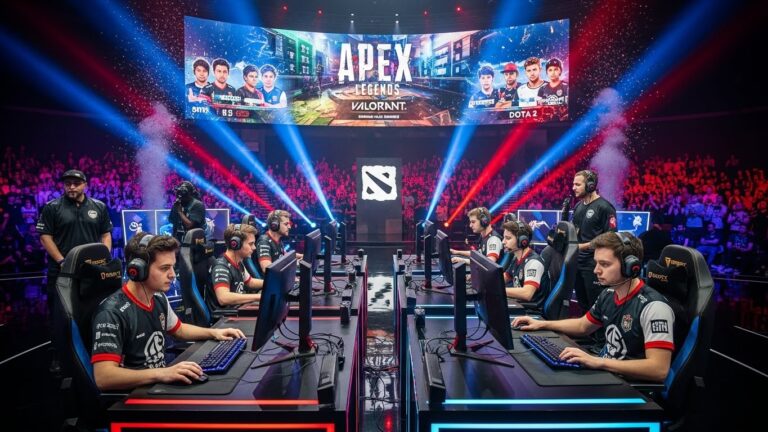
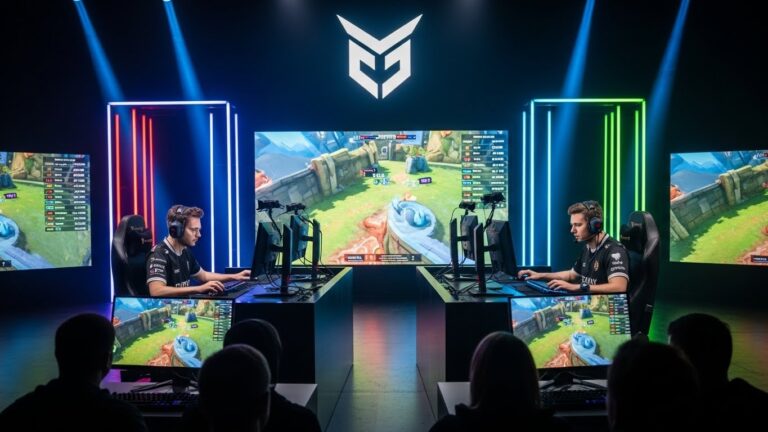
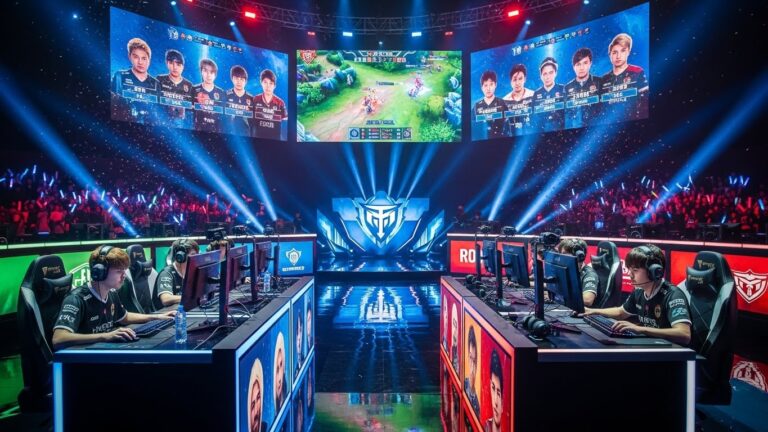
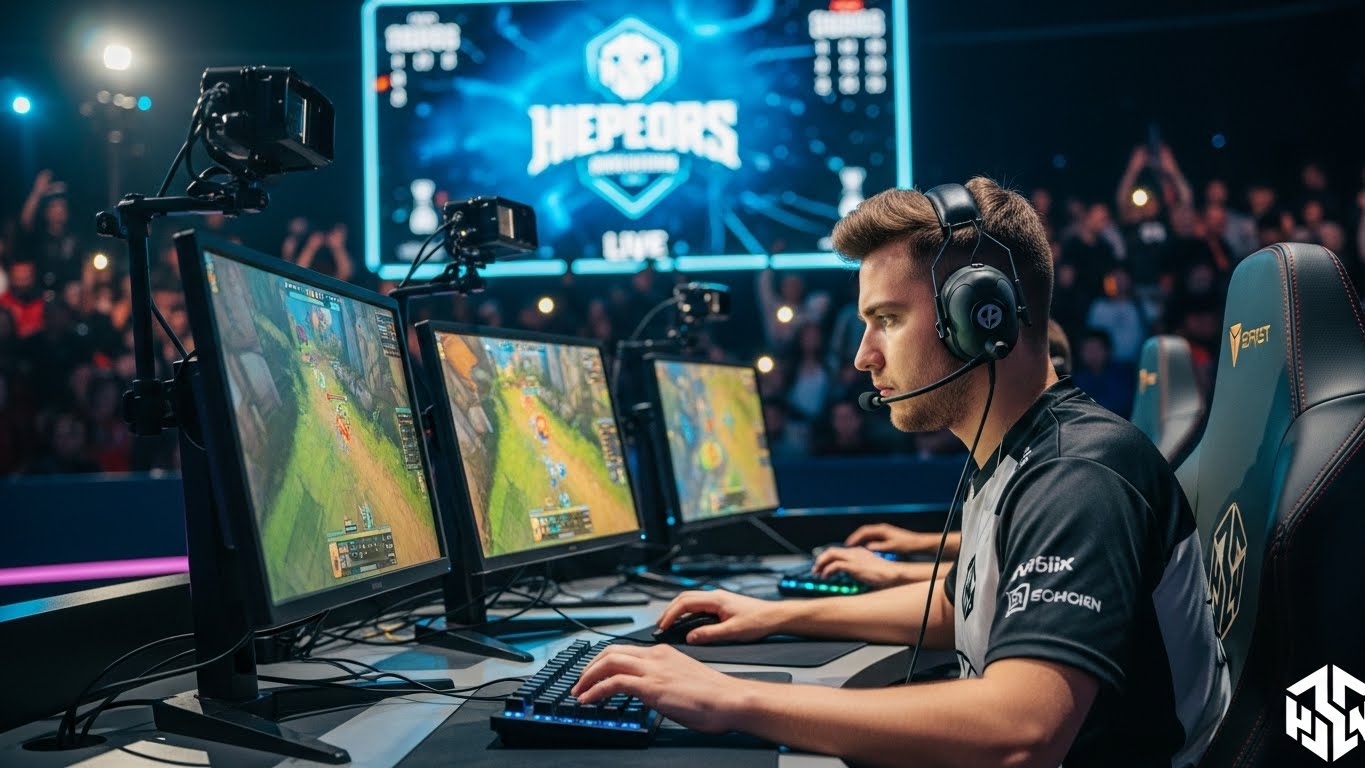
Esports tournaments have evolved from small gatherings to grand spectacles held in massive arenas, often broadcast to millions of viewers worldwide. One of the most notable examples is “The International” tournament for Dota 2, which, in 2018, offered a prize pool of over $25 million. Similarly, games like “League of Legends,” “Counter-Strike: Global Offensive,” and “Overwatch” now feature annual tournaments that draw in viewers comparable to traditional sporting events.
Tournaments like these have given rise to a number of professional leagues that operate much like the NFL or NBA, with regular seasons, playoffs, and championships. These leagues include the Overwatch League, the League of Legends Championship Series (LCS), and the Call of Duty League. These leagues are not only a platform for players to showcase their skills but also offer lucrative salaries and sponsorships, further solidifying esports as a legitimate profession.
In addition to these traditional tournament formats, new types of competitions are emerging, such as mobile esports and college esports leagues. Mobile gaming platforms, such as “PUBG Mobile” and “Arena of Valor,” have gained massive popularity in regions like Southeast Asia and China, expanding the esports market to a whole new demographic. College esports leagues have also risen in prominence, with universities offering scholarships to top players, creating opportunities for young gamers to pursue both higher education and professional gaming careers.
The Skills Developed Through Esports
Esports is often dismissed as “just playing video games,” but this is far from the truth. Competitive gaming requires a wide range of skills, both mental and physical, that translate into real-world abilities. One of the key skills developed through esports is strategic thinking. In games like “League of Legends” or “StarCraft,” players must analyze complex situations, develop strategies, and anticipate their opponent’s moves, often within a matter of seconds.
Another skill that esports players develop is teamwork. Many of the most popular esports titles are team-based, such as “Overwatch,” “Dota 2,” and “Counter-Strike.” These games require players to work together to achieve common goals, communicate effectively under pressure, and support each other’s strengths and weaknesses. The ability to collaborate and manage team dynamics is a crucial skill, not only in esports but in any professional environment.
Esports also sharpens cognitive functions like memory, concentration, and multitasking. Players need to memorize maps, understand game mechanics, and track multiple objectives at once. These mental exercises enhance focus and reaction time, which can be valuable in high-pressure situations outside of gaming.
Finally, esports promotes resilience and mental toughness. Losing a game or tournament is a common part of competitive gaming, and players must learn to cope with setbacks, manage stress, and stay motivated to improve. The ability to bounce back from defeat is essential not only in gaming but also in life, teaching players valuable lessons in perseverance and self-discipline.
The Impact of Esports on Society
Esports has had a profound impact on society in various ways. One of the most notable contributions is the way it has democratized entertainment. In the past, sports required expensive infrastructure and a large physical space, but with esports, anyone with a computer or smartphone can participate or watch. This accessibility has made esports an inclusive form of entertainment, with players from diverse socioeconomic backgrounds and regions able to compete at the highest levels.
Esports has also had a significant cultural impact. The rise of esports has given birth to a new generation of celebrities and influencers, with players gaining massive followings on social media platforms like Twitch, YouTube, and Instagram. Some esports players now have millions of fans who not only watch their games but also follow their daily lives, making esports an essential part of modern pop culture.
The social aspect of esports is also noteworthy. Esports brings people together in unique ways. Online multiplayer games create communities where players from different parts of the world can connect, share experiences, and form friendships. Esports events, both online and offline, allow fans to interact with one another and celebrate their favorite games, teams, and players. This sense of community is a defining characteristic of esports, helping to create global fanbases that transcend borders.
The Future of Esports
The future of esports is incredibly bright, with continued growth expected in both viewership and revenue. As technology continues to evolve, so too will the esports experience. Virtual reality (VR) and augmented reality (AR) are poised to change the way games are played and experienced, providing players and fans with even more immersive environments.
The integration of esports into mainstream media is another trend that will likely continue. Traditional sports networks are increasingly broadcasting esports events, and streaming platforms like Twitch are now household names. As more mainstream brands and celebrities get involved in esports, the lines between traditional sports and esports will continue to blur, leading to even greater crossover and collaboration.
Another exciting development is the potential for esports in education. Many colleges and universities now offer esports scholarships, and esports programs are growing in popularity. Esports can teach students valuable skills such as teamwork, leadership, and problem-solving, making it an ideal complement to traditional academic curricula. As esports continues to become a mainstream career option, more students will see gaming as a legitimate path to success.
Conclusion
Esports has evolved from a niche hobby to a global phenomenon, revolutionizing the entertainment landscape and impacting society in profound ways. With its fast-paced growth, lucrative career opportunities, and ability to foster global communities, esports is here to stay. As technology advances, esports will continue to evolve, offering even more immersive experiences and new ways for players and fans to engage with the games they love. Whether you’re a gamer, a fan, or someone just getting into the world of esports, one thing is clear: competitive gaming has become a major force in the world of entertainment, and its influence will only continue to grow.
About the Author