Introduction: A New Era of Sports Entertainment
Esports, short for electronic sports, has evolved from humble beginnings into a global phenomenon. What once began as a niche pastime for dedicated gamers has now become one of the most influential and rapidly growing sectors in the entertainment industry. Today, esports is more than just playing video games; it is a multi-billion-dollar business, a spectator sport watched by millions, and a career path for professional players. This blog post explores the explosive rise of esports, its cultural significance, the business behind it, and the future of competitive gaming.
The Origins of Esports: From Arcade Games to Global Competitions
The concept of competitive gaming dates back to the early 1970s, with arcade games like Space Invaders and Pong sparking the first wave of player-versus-player competitions. These early tournaments were informal, small-scale affairs, often held at local arcades or gaming conventions. However, it wasn’t until the 1990s that the foundations for modern esports were truly laid.
One of the first major milestones in competitive gaming was the 1997 Red Annihilation tournament for the game Quake. This event, with its $10,000 prize pool, marked the first real example of esports competition attracting a global audience. It showed that there was potential for large-scale tournaments that could bring together the best players from around the world, opening the door for future esports competitions.
As the internet became more accessible and multiplayer online games grew in popularity, competitive gaming began to take off. Games like StarCraft, Warcraft III, and Counter-Strike became the mainstay of competitive gaming throughout the late 1990s and early 2000s, and major international tournaments like the World Cyber Games (WCG) and Electronic Sports World Cup (ESWC) were established. These early events laid the groundwork for what would eventually become a global industry, creating a framework for organized esports competition.
The Streaming Revolution: Bringing Esports to the Masses
The rapid growth of esports is intricately tied to the rise of live streaming platforms. Before platforms like Twitch, YouTube, and Facebook Gaming, competitive gaming was limited to physical tournaments, and watching these events required being present at the venue or relying on broadcasted coverage. In 2011, Twitch launched as a dedicated platform for gamers to live stream their gameplay, giving rise to a new era of esports viewership.
Twitch revolutionized how fans interacted with competitive gaming. Now, millions of viewers could tune in to watch live tournaments, interact with players, and become a part of the esports community in real-time. This level of engagement fostered a unique connection between players and their audiences, something that traditional sports could not match. It also created a new career path for gamers as they could now make money by live streaming their gameplay and building a fanbase.
As a result, esports tournaments became more accessible to a broader audience. Games like League of Legends, Dota 2, Overwatch, and Fortnite began to dominate streaming platforms, drawing millions of viewers to events like the League of Legends World Championship and The International for Dota 2. With the growing number of viewers came increased sponsorships, media deals, and advertising revenue, making esports a highly lucrative business.
Professional Esports: Players, Teams, and Leagues
The idea of professional gaming—where players are paid to compete at the highest level—has been one of the most important developments in esports. Just like traditional sports, esports now has full-fledged professional leagues, organizations, coaches, and analysts. Players who once competed in their free time are now earning six-figure salaries and representing major esports teams such as Cloud9, Team Liquid, and T1.
Esports teams operate much like traditional sports teams. They recruit top players, provide training facilities, and hire coaches and analysts to develop strategies. Players spend hours daily practicing their chosen game, refining their skills and tactics to stay competitive. These teams participate in organized leagues, such as the League of Legends Championship Series (LCS), Overwatch League (OWL), and Call of Duty League, all of which follow similar formats to major sports leagues like the NBA or NFL.
The growth of professional esports has led to an influx of sponsors and investors, including traditional sports teams, entertainment companies, and even venture capitalists. Big-name sponsors such as Coca-Cola, Intel, Mercedes-Benz, and Red Bull have jumped on board, recognizing the immense value of associating with esports. These partnerships help fund tournaments, team operations, and player development, while also allowing brands to connect with a young, tech-savvy, and highly engaged audience.
Esports as a Global Spectator Sport
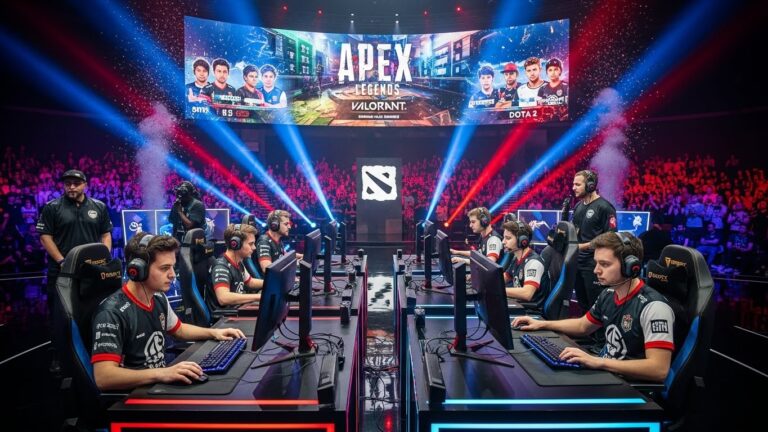
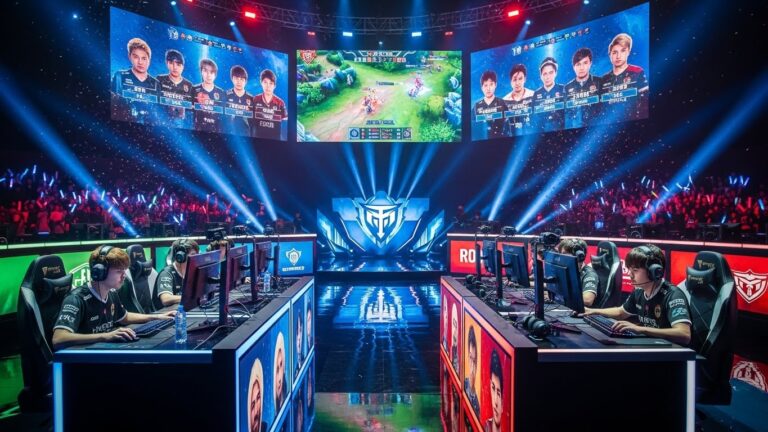
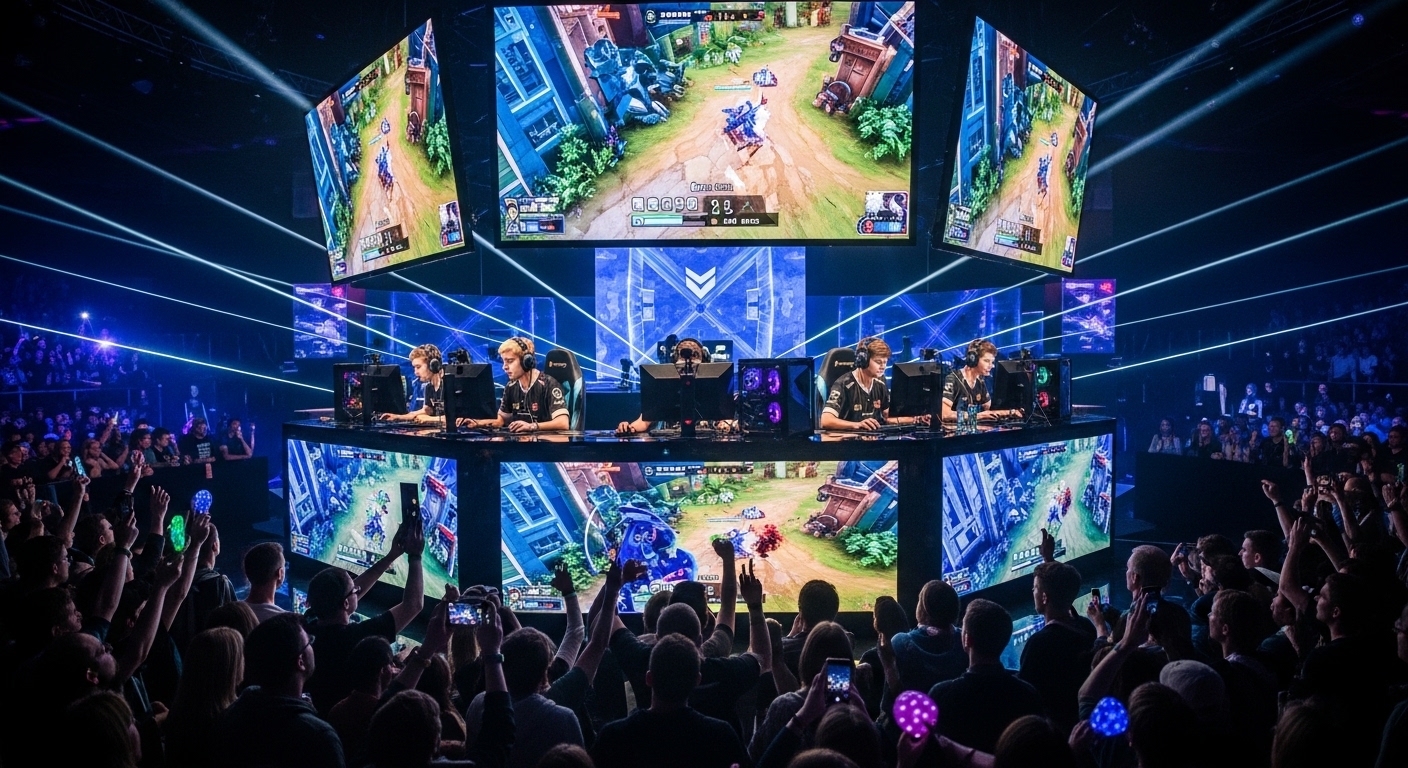
Esports is not just about playing games; it’s also about watching them. In fact, some of the largest esports tournaments attract millions of viewers, both in person and online. Events like The International for Dota 2, the League of Legends World Championship, and the Overwatch League Grand Finals have sold out massive arenas and stadiums around the world, drawing thousands of fans who cheer for their favorite teams and players.
But perhaps the most significant aspect of esports as a spectator sport is its global reach. Unlike traditional sports, which often have regional or national limitations, esports competitions are broadcast worldwide. Fans from every corner of the globe can watch events live, creating a truly international fanbase. This sense of global community is one of the most powerful aspects of esports—it’s not just about local pride; it’s about celebrating talent and competition on a worldwide stage.
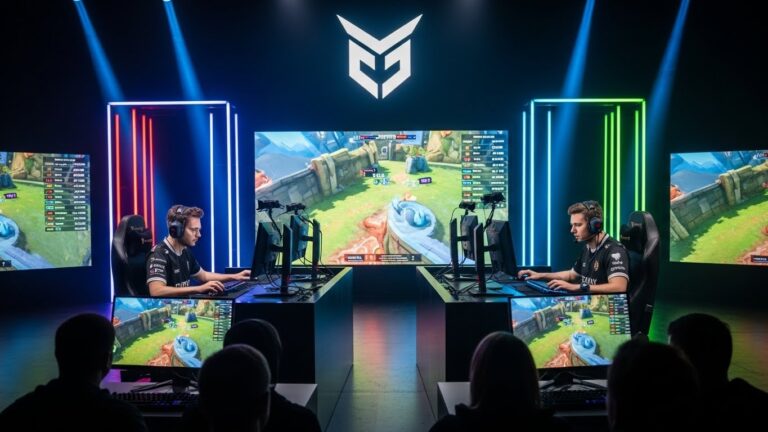
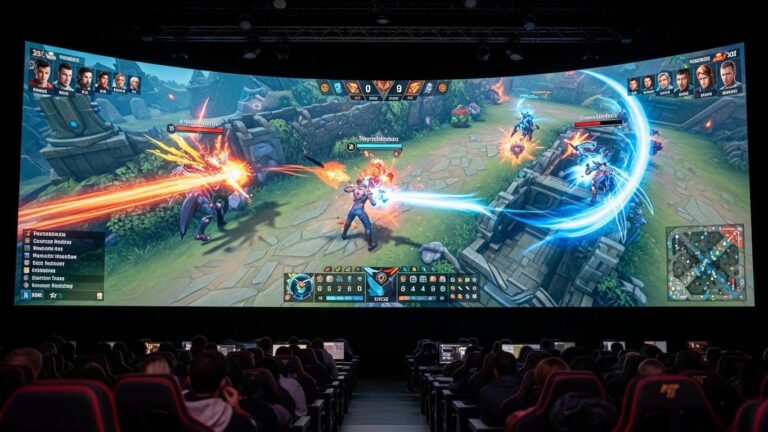
In addition to live events, esports broadcasts on platforms like Twitch, YouTube Gaming, and Facebook Gaming have become a mainstream form of entertainment. Major tournaments are often accompanied by professional commentary, analysis, and community engagement, making esports viewing an immersive and dynamic experience. Fans can interact with the broadcast, chat with other viewers, and even influence the outcome of the broadcast through real-time polls and votes.
Monetization and Business Opportunities in Esports
Esports is not only a spectator sport but also a booming industry with various monetization streams. The business model of esports involves a combination of sponsorships, media rights, advertising, ticket sales, and merchandise. Companies see esports as a way to engage with a young, tech-savvy demographic that is difficult to reach through traditional advertising channels.
Sponsorships are one of the primary revenue sources for esports organizations. Top-tier esports tournaments and teams are sponsored by some of the world’s largest brands, including Intel, Coca-Cola, Red Bull, and BMW. These sponsorships provide financial backing, but they also serve as a marketing tool for brands seeking to promote their products to an engaged esports audience.
Media rights are another critical revenue stream for esports. As viewership continues to rise, media companies are increasingly willing to pay for the rights to broadcast major tournaments. Broadcasting deals with networks like ESPN, TBS, and Turner Sports are helping bring esports to mainstream television, further solidifying its place in the entertainment landscape.
In addition to sponsorships and media rights, esports teams and tournaments also make money through ticket sales and merchandise. Live events can generate substantial revenue from fans purchasing tickets to attend tournaments in person. Merchandise, including jerseys, hats, and gaming peripherals, has also become a lucrative market for esports teams and players.
The Impact of Esports on Traditional Sports
The rise of esports has had a profound impact on traditional sports. Many professional sports teams have started investing in esports, either by forming their own teams or by sponsoring existing ones. Major franchises like the New England Patriots, Paris Saint-Germain, and Manchester City have all launched esports divisions, recognizing the potential of this new form of competition.
Additionally, esports has led to a rethinking of what it means to be an athlete. While traditional sports require physical skill, esports requires mental agility, strategic thinking, and exceptional reflexes. This has sparked debates about whether esports should be considered a legitimate sport, but the fact remains that professional esports players train as hard as any athlete in a traditional sport, spending hours each day improving their skills.
The Future of Esports: Trends and Predictions
Looking ahead, the future of esports appears brighter than ever. One of the biggest trends shaping the future of esports is the continued integration of technology. Virtual reality (VR) and augmented reality (AR) are set to enhance the immersive experience of esports, allowing fans to watch matches from different perspectives or even engage with the action in new ways. VR esports, where players compete in virtual environments, could offer entirely new avenues for both players and spectators.
Another key trend is the continued expansion of esports into new regions. While esports is already massive in countries like South Korea, the United States, and China, emerging markets in Latin America, Southeast Asia, and the Middle East offer huge potential for growth. Esports organizations and broadcasters are increasingly targeting these regions to build local fanbases and create new opportunities for players and teams.
Finally, as esports becomes more mainstream, it’s likely that we’ll see more crossover with traditional sports. The idea of esports being included in major international sporting events, such as the Olympics, has been a topic of discussion for several years. While it remains uncertain whether esports will be included in the Olympics, it’s clear that the lines between esports and traditional sports are continuing to blur.
Conclusion: Esports as a Global Cultural Force
Esports has come a long way from its early days as a niche hobby to become a global entertainment juggernaut. With its massive audience, professional players, organized leagues, and thriving business ecosystem, esports is here to stay. Whether you’re a player, a fan, or an investor, the esports industry offers something for everyone. As technology continues to evolve and the world becomes more connected, esports will only continue to grow, shaping the future of entertainment and competitive gaming for years to come.
About the Author