
Introduction
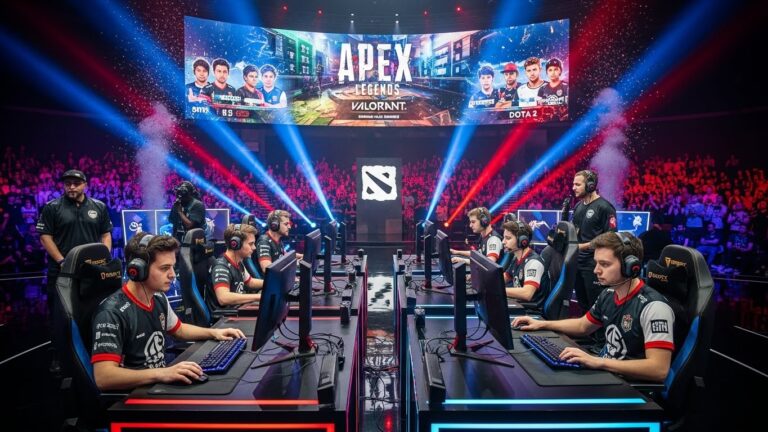
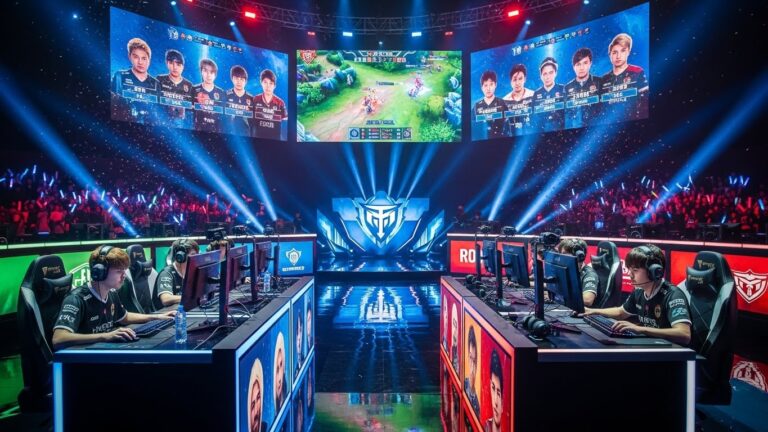
Esports has transformed from a niche hobby into a global cultural phenomenon, captivating millions of fans around the world. Competitive gaming is no longer limited to local tournaments or casual online matches; it has evolved into a professional industry with massive audiences, lucrative sponsorships, and international recognition. The rise of esports reflects a broader shift in entertainment, technology, and sports culture. This blog explores the origins, growth, cultural significance, economic impact, challenges, and future of esports, illustrating why it has become one of the most dynamic forms of modern competition.
The Origins of Esports
The concept of competitive gaming has existed almost as long as video games themselves. In the 1970s and 1980s, arcade competitions provided a foundation for organized gaming, where players showcased their skills in games like Space Invaders and Pac-Man. As home consoles and personal computers became widespread, competitive gaming moved online, with titles such as Street Fighter, StarCraft, and Counter-Strike paving the way for structured competitions.
Early esports tournaments were often small and community-driven. College campuses, local gaming clubs, and online forums hosted competitions that focused on skill, strategy, and player recognition. Despite limited exposure, these early events established the competitive and social aspects that continue to define esports today.
The Growth of Competitive Gaming
The expansion of esports began in the early 2000s with the proliferation of internet connectivity and online multiplayer games. Titles like Warcraft III and Counter-Strike gained dedicated player bases, while professional tournaments began to attract sponsorships and media coverage. The 2010s marked a turning point, as games like League of Legends, Dota 2, and Overwatch introduced international leagues and world championships, drawing millions of viewers.
Unlike traditional sports, esports transcends geography. Players from different continents can compete in real time, while fans watch live streams and broadcasts simultaneously. The global accessibility of esports has been a key factor in its rapid growth, allowing anyone with an internet connection to participate as a player or spectator.
The Role of Streaming Platforms
Streaming platforms have revolutionized esports by connecting players and audiences in unprecedented ways. Services dedicated to live gaming content allow fans to watch competitions, interact with streamers, and follow teams and players closely. This level of engagement has created a vibrant community culture that thrives online.
Streaming also offers opportunities for professional players and influencers to build personal brands, generate income, and cultivate fan loyalty. The ability to broadcast tournaments to a global audience has transformed esports into a major entertainment industry, rivaling traditional sports in reach and influence.
Professionalization of Esports
Esports is no longer just a pastime; it has become a professional career path. Top players train rigorously, following schedules similar to traditional athletes. Teams hire coaches, analysts, nutritionists, and psychologists to maximize performance, reflecting the increasing sophistication of the industry.
Professional leagues and tournaments have standardized rules, ranking systems, and prize pools, which promote fairness and elevate the level of competition. This professionalization has also enhanced the credibility of esports, demonstrating that gaming requires discipline, strategic thinking, and teamwork just like conventional sports.
Economic Impact and Sponsorships
The financial landscape of esports has expanded rapidly. Revenue comes from tournament prize money, sponsorships, merchandise sales, advertising, and streaming subscriptions. Brands across various industries invest in esports as a way to reach younger, digitally native audiences.
Sponsorships play a crucial role in the industry, funding tournaments, supporting teams, and promoting products to global audiences. This influx of investment has fueled the development of professional leagues, international competitions, and esports infrastructure, turning competitive gaming into a highly profitable industry with long-term growth potential.
Cultural Significance of Esports
Esports is more than entertainment; it has become a cultural movement. It brings people together, creating communities that transcend national, linguistic, and cultural boundaries. Fans share experiences through live events, online discussions, and social media, forming strong connections around shared passions.
Gaming culture influences fashion, music, and lifestyle trends. Cosplay, fan art, and merchandise have become integral to esports culture, reflecting the creativity and identity of the community. Esports events serve as social hubs, allowing fans to celebrate both competition and culture.
Mental and Physical Demands
High-level esports competition requires significant mental and physical effort. Players must make rapid decisions, maintain focus for long periods, and collaborate effectively with teammates. Success depends on strategic thinking, reflexes, and adaptability under pressure.
Professional teams increasingly emphasize holistic health, incorporating physical exercise, proper nutrition, and mental coaching into training routines. This approach challenges stereotypes of gamers as sedentary, highlighting the discipline and preparation necessary to succeed at the highest levels of esports.
Global Reach and International Competitions
Esports has a truly global presence, with professional leagues and tournaments in North America, Europe, Asia, and beyond. International competitions foster cross-cultural exchanges and create worldwide fan bases. Countries recognize esports as a platform for economic growth, youth engagement, and technological development.
Scholarships and educational programs for esports are becoming more common, offering formal pathways for students to develop skills in gaming, strategy, teamwork, and digital literacy. The global integration of esports demonstrates its potential to unite diverse audiences and create meaningful opportunities for participants.
Challenges Facing the Industry
Despite its rapid growth, esports faces several challenges. Player burnout, intense competition, online toxicity, and mental health concerns are ongoing issues. Regulatory frameworks for fair play, anti-cheating measures, and intellectual property protection require constant attention. The fast pace of technological change also poses challenges in maintaining audience engagement and competitive integrity.
Addressing these challenges is essential for the sustainability of esports. Promoting supportive communities, mental wellness initiatives, and responsible professional practices will help ensure the industry continues to thrive without compromising the well-being of players and fans.
The Future of Esports
The future of esports promises exciting developments. Emerging technologies such as virtual reality, augmented reality, and artificial intelligence may redefine competitive experiences, offering immersive gameplay and enhanced interactivity. Virtual arenas could allow players and fans to engage in completely new ways, bridging the gap between digital and physical experiences.
Esports is also likely to expand into educational and professional training programs, using gaming to develop skills such as strategic thinking, problem-solving, and collaboration. The continued growth of international tournaments, professional leagues, and fan engagement will cement esports as a permanent fixture in the entertainment landscape.
Conclusion
Esports has evolved from a niche hobby into a global industry that entertains, inspires, and connects millions of people. It represents the intersection of technology, culture, and competition, offering unique opportunities for players, fans, and businesses alike. Beyond the thrill of competition, esports fosters communities, drives economic growth, and shapes cultural trends, making it one of the most influential forces in modern entertainment.
As esports continues to grow, it will redefine how we perceive competition, digital interaction, and the possibilities of human creativity in virtual spaces. Its combination of skill, strategy, and community ensures that esports is more than just a passing trend—it is a cultural and professional phenomenon that will continue to thrive in the years to come.
About the Author