
Introduction
Esports, or electronic sports, has rapidly evolved from a niche hobby into a global phenomenon that influences culture, entertainment, education, and the economy. Competitive video gaming now attracts millions of fans worldwide, offers professional careers, and has established itself as a legitimate form of competition. Unlike traditional sports, esports thrives entirely in the digital space, yet it demands exceptional skill, strategy, teamwork, and mental agility. This blog explores the history, rise, and impact of esports, highlighting how it is redefining competition in the modern era.
The Evolution of Esports
Esports can trace its origins back to the late 1970s when video games began gaining popularity. Early competitions focused on arcade games, where players competed for high scores in titles like Space Invaders and Pac-Man. The 1990s brought a new level of competitiveness with multiplayer games such as Quake, StarCraft, and Counter-Strike, particularly in South Korea, where professional gaming became a mainstream activity. As the internet improved, online multiplayer games allowed players worldwide to connect and compete, creating the foundations for the global esports industry we see today. Over the decades, esports has diversified into multiple genres including first-person shooters, real-time strategy games, battle royale games, and multiplayer online battle arena titles, attracting diverse players and fans.
The Global Popularity of Esports
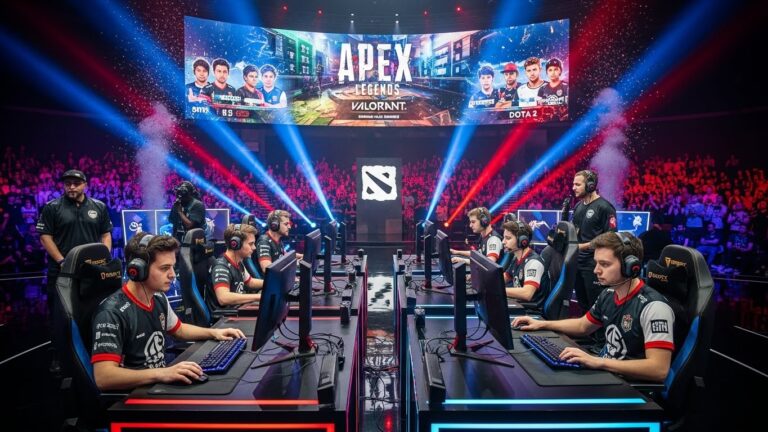
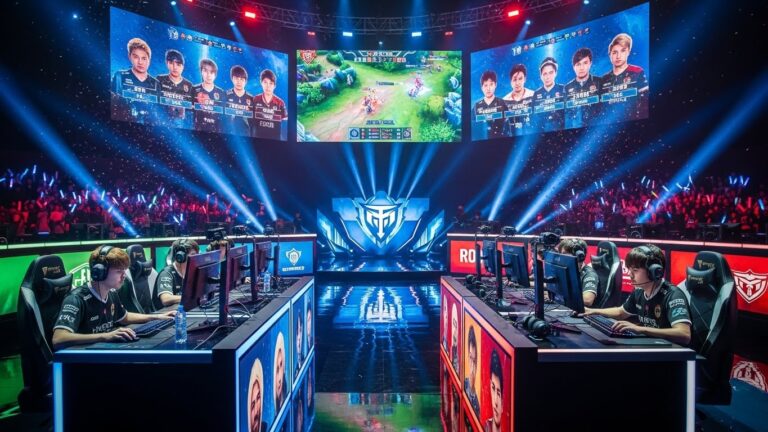
Today, esports has a massive global audience. Millions of viewers watch tournaments through streaming platforms, social media, and live events. Titles like League of Legends, Dota 2, Fortnite, and Call of Duty dominate the competitive scene, often drawing viewership numbers comparable to major traditional sporting events. Esports tournaments are not only streamed online but are sometimes hosted in stadiums filled with thousands of spectators. This widespread accessibility, combined with the appeal of fast-paced gameplay, engaging narratives, and star players, has made esports a global cultural phenomenon.
Mental and Physical Skills in Esports
While esports may not demand traditional physical exertion, it requires a unique combination of mental and physical skills. Players rely on exceptional reflexes, hand-eye coordination, and split-second decision-making. High-level competition requires hours of practice, stamina, and focus to maintain peak performance. Team-based games demand communication, leadership, and collaboration, while solo competitions test individual strategy, composure, and adaptability. Esports enhances problem-solving abilities, cognitive agility, and multitasking skills, proving that gaming is far more than mere entertainment.
Professionalization of Esports
Esports has grown into a legitimate professional industry. Players now earn salaries, secure sponsorships, and compete for prize money comparable to traditional sports. Teams function like professional organizations, employing coaches, analysts, nutritionists, and psychologists to support players’ development and performance. Major tournaments offer millions of dollars in prize pools, attracting international talent and elevating the level of competition. Professionalization has also increased media coverage, fan engagement, and credibility, transforming esports into a career path that offers financial stability, recognition, and growth opportunities.
Technology and Its Role in Esports
Technological advancements have been critical to the rise of esports. High-performance computers, gaming consoles, fast internet connections, and specialized software allow players to compete at elite levels. Streaming platforms enable fans to watch events live, interact with players, and join online communities. Performance analytics and coaching software provide insights to improve strategy, track performance, and develop new techniques. Emerging technologies such as virtual reality and augmented reality are also beginning to expand the esports experience, offering immersive gameplay and new ways for fans to engage.
Esports as an Entertainment Industry
Esports is not only a competitive activity but also a major form of entertainment. Tournaments are produced with professional commentary, dynamic visuals, and engaging narratives. Fans follow players and teams, participate in discussions, and consume content across multiple platforms, including social media and streaming services. Content creators, influencers, and analysts contribute to the ecosystem, providing entertainment, education, and engagement. The combination of competition, storytelling, and interactive media has made esports a multifaceted entertainment industry that appeals to diverse audiences.
Economic Impact of Esports
Esports has become a multi-billion-dollar industry with a significant economic footprint. Revenue streams include sponsorships, merchandise sales, ticket sales, advertising, and broadcasting rights. Global tournaments attract major brands and investors, stimulating local economies through tourism, event organization, and infrastructure development. Professional players earn income from salaries, tournament winnings, and endorsements. The esports industry also drives technological innovation, creating demand for gaming hardware, software, and digital services. Its economic impact demonstrates the scale and significance of esports beyond entertainment.
Esports in Education
Esports is increasingly recognized as a legitimate activity in educational institutions. Schools and universities have established esports programs, teams, and scholarship opportunities. Students participating in esports develop skills in leadership, teamwork, communication, and strategy. Colleges often provide dedicated facilities, coaching, and academic support for esports players. Additionally, esports programs foster digital literacy, critical thinking, and career readiness in technology, media, and gaming industries. Integrating esports into education equips students with practical skills while nurturing passion and competitive spirit.
Youth Engagement and Community Building
Esports has a unique appeal to youth, offering accessible opportunities for participation and social interaction. Unlike traditional sports, esports can be played anywhere with an internet connection, making it inclusive and diverse. Online tournaments, streaming communities, and fan groups foster social engagement and collaboration. Youth participation in esports develops problem-solving, strategic thinking, and teamwork. Moreover, it creates pathways for mentorship, networking, and skill development, helping young players explore future careers in gaming, content creation, or technology.
Challenges in Esports
Despite its success, esports faces challenges that need careful attention. The high-pressure environment can lead to mental health issues, stress, and burnout for professional players. Prolonged practice and gameplay can cause physical strain, including repetitive stress injuries and vision problems. Ethical concerns such as cheating, match-fixing, and harassment threaten the integrity of competitions. Additionally, public perception still sometimes questions esports’ legitimacy as a sport. Addressing these challenges requires proper support systems, regulation, and education to ensure sustainable growth while safeguarding players’ health and well-being.
Emerging Trends in Esports
The esports industry continues to evolve, embracing emerging trends such as mobile gaming, virtual reality competitions, and cross-industry partnerships. Mobile esports allows millions of players to participate using smartphones, increasing accessibility and engagement. Virtual reality introduces immersive gameplay that blurs the line between digital and physical competition. Collaborations with traditional sports, music, and entertainment industries are creating hybrid events that attract new audiences. These trends demonstrate the adaptability of esports and its potential to redefine digital entertainment.
Global Reach and Cultural Impact
Esports has created a worldwide community that transcends borders, languages, and cultures. Online tournaments connect players from different countries, fostering collaboration and competition. Fans engage with each other through live streaming, social media, and forums, creating shared experiences around gameplay. Esports promotes cultural exchange, networking, and inclusivity, providing opportunities for learning and interaction. Its global reach has positioned esports as a cultural force that not only entertains but also brings people together in unique ways.
The Future of Esports
The future of esports is promising, with increasing investment, mainstream recognition, and technological innovation. Professional leagues and international tournaments continue to expand, while emerging technologies like augmented and virtual reality are enhancing gameplay and fan experiences. Esports may become a staple in education, entertainment, and global culture, comparable to traditional sports. As the industry matures, it will likely see improved player support, stronger ethical standards, and wider societal acceptance. Esports represents a permanent shift in how we perceive competition, entertainment, and skill.
Conclusion
Esports has grown from a casual hobby into a global, professional, and cultural phenomenon. It requires unique mental and physical abilities, fosters global communities, drives economic growth, and creates entertainment on an unprecedented scale. While challenges such as mental health concerns and ethical issues exist, the industry continues to innovate and expand. Esports is more than gaming; it is a revolution in how we compete, connect, and engage with digital culture. It is a testament to the limitless potential of human skill, strategy, and collaboration in the digital age.
About the Author