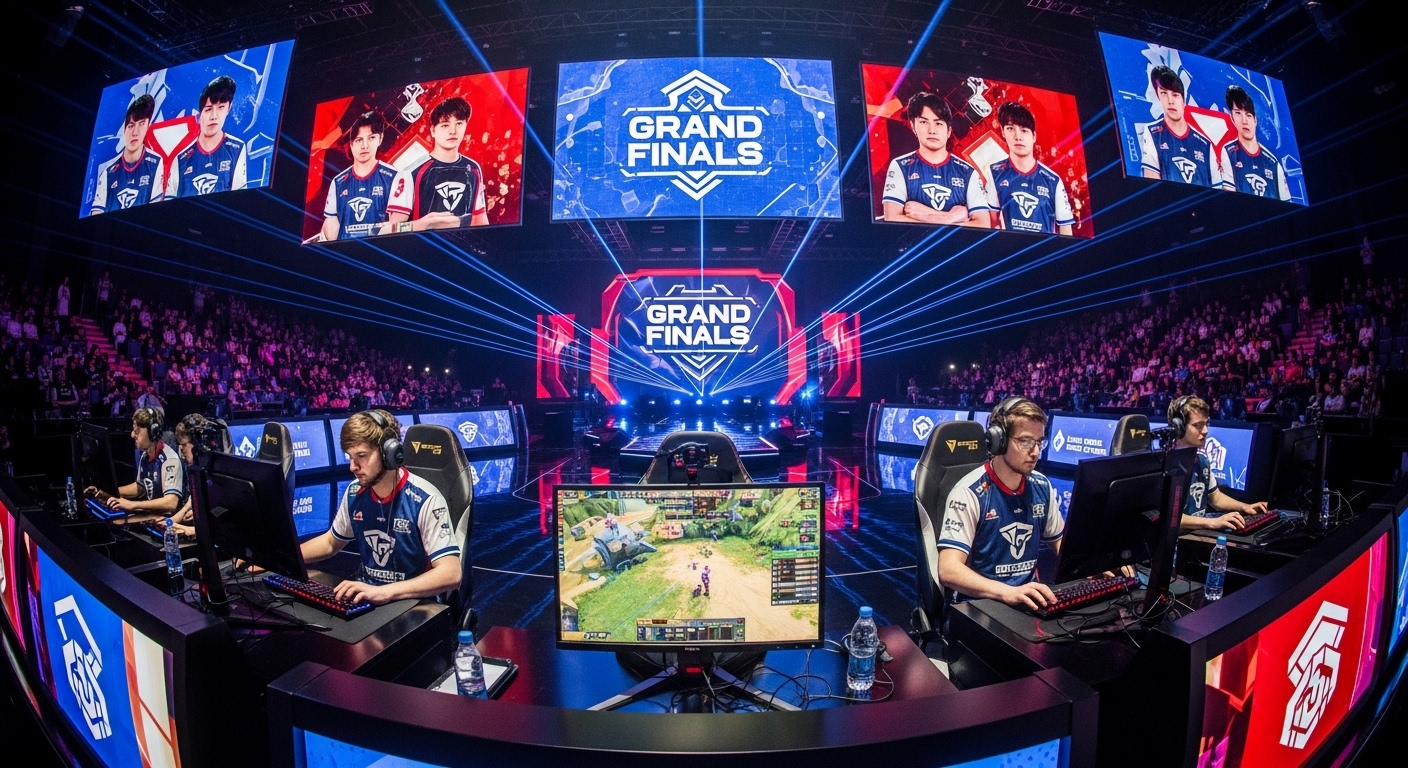
Introduction: The Evolution of Gaming into a Global Phenomenon
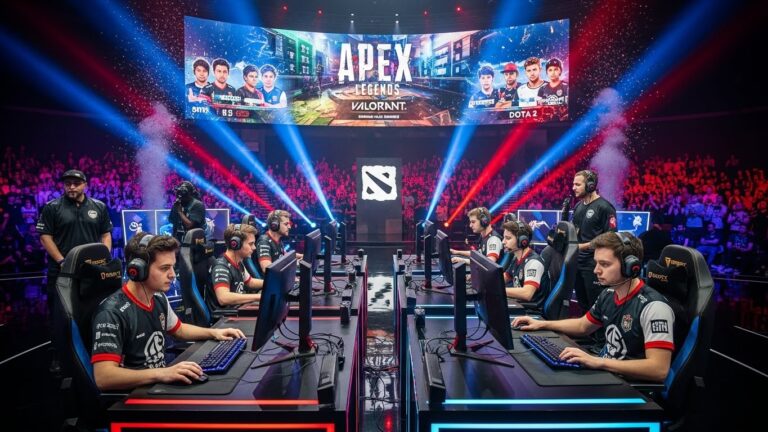
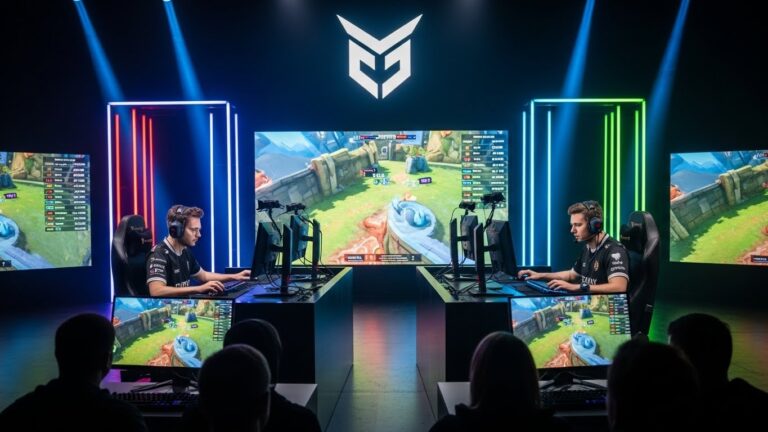
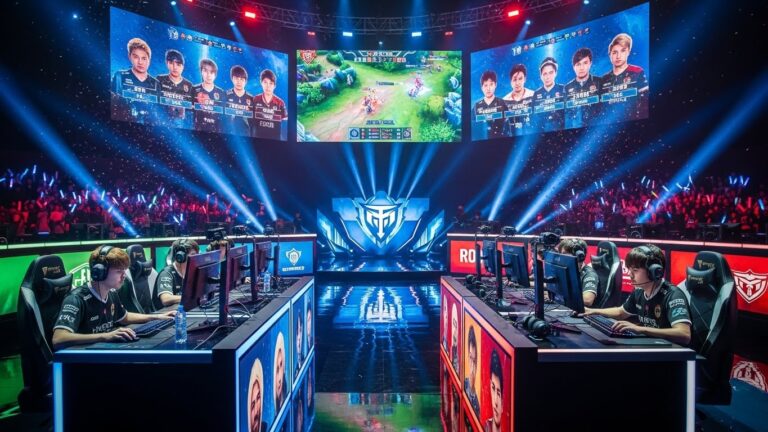
Esports has transitioned from being a casual hobby to a cultural and economic powerhouse. What started as small competitions in arcades and college campuses has evolved into a global industry attracting millions of viewers, professional players, and major corporate sponsors. Competitive gaming is no longer confined to private spaces; it is a legitimate form of sport that requires skill, strategy, teamwork, and mental endurance. Today, esports is recognized not only for its entertainment value but also for its ability to shape careers, inspire innovation, and connect communities worldwide. This digital revolution has created a new kind of athlete and transformed the way we perceive competition in the 21st century.
The Early Days of Competitive Gaming
The roots of esports date back to the 1970s when video games first gained popularity. In 1972, students at Stanford University organized a Spacewar tournament, widely considered one of the first competitive gaming events. The 1980s saw the rise of arcade culture, where titles such as Pac-Man, Donkey Kong, and Street Fighter brought players together to challenge each other and compete for high scores. With the advent of home consoles and personal computers in the 1990s, gaming became accessible to a broader audience. Multiplayer games such as Doom, Quake, and StarCraft introduced elements of strategy and teamwork, setting the stage for organized esports tournaments. These early competitions laid the foundation for the professional leagues and global fan base that define modern esports.
Professionalization and the Birth of Esports Leagues
The 2000s marked the formal professionalization of esports. Countries like South Korea became pioneers in turning gaming into a respected career, especially through competitive StarCraft tournaments. Television broadcasts of matches elevated players to celebrity status, while sponsorships and endorsements made professional gaming financially viable. In the United States and Europe, leagues such as Major League Gaming and the World Cyber Games provided structured platforms for players to compete in games like Counter-Strike, Halo, and Warcraft. These early leagues introduced the concept of teams, coaching staff, and organized schedules, demonstrating that esports could be structured and sustainable, much like traditional sports.
The Role of Streaming Platforms in Popularizing Esports
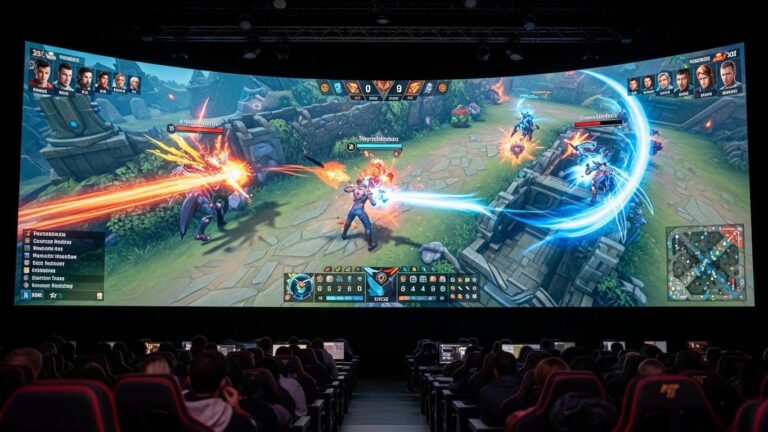
The 2010s revolutionized esports through live streaming platforms like Twitch and YouTube Gaming. Unlike traditional television broadcasts, these platforms offered interactive experiences where viewers could communicate with players, participate in live chats, and engage in community discussions. Streaming enabled esports to reach global audiences in real-time, attracting millions of viewers to tournaments for games such as League of Legends, Dota 2, and Fortnite. The accessibility and interactivity of streaming transformed esports into a cultural phenomenon, creating opportunities for players to build personal brands and connect directly with fans. Streaming also helped bridge the gap between casual gaming communities and professional competition, further solidifying esports as a mainstream entertainment medium.
Skills, Strategy, and Mental Fortitude in Esports
Esports requires more than fast reflexes or familiarity with a game; it demands a unique combination of physical coordination, strategic thinking, and psychological resilience. Professional players dedicate hours daily to perfecting mechanics, developing tactics, and studying opponents’ behavior. Reflexes, hand-eye coordination, and reaction time are crucial, but so is cognitive flexibility—the ability to adapt to rapidly changing in-game situations. Team-based games emphasize communication, collaboration, and synchronization, while solo competitions test individual decision-making and mental focus. The mental strain of long tournaments and high-stakes matches highlights the importance of endurance, focus, and stress management in esports, making it a rigorous discipline comparable to traditional sports in both skill and preparation.
Economic Growth and Industry Impact
Esports has become a billion-dollar industry with multiple revenue streams. Sponsorships, advertising, media rights, merchandise, and ticket sales contribute to a thriving economic ecosystem. Major corporations invest in esports to reach younger, digitally engaged audiences, while game developers create competitive titles with professional leagues in mind. Cities worldwide host esports tournaments, recognizing their potential for tourism and international exposure. Professional teams operate like sports franchises, managing player contracts, coaching staff, and marketing strategies. The financial success of esports underscores its legitimacy and highlights how competitive gaming has evolved into a significant contributor to the global entertainment economy.
Cultural Influence of Esports
Esports has grown beyond competition to become a cultural movement. It reflects the interests and values of a generation immersed in digital technology. Fans engage through streaming, forums, fan art, cosplay, and social media discussions, creating a sense of community that spans countries and continents. Professional players are not just competitors; they are influencers, trendsetters, and role models for millions of fans. The industry is gradually becoming more inclusive, offering opportunities for women, LGBTQ+ players, and individuals from diverse backgrounds to participate and excel. Esports culture emphasizes creativity, connection, and shared passion, making it a defining feature of contemporary youth culture and digital entertainment.
Technological Advancements Driving Esports
Technology is the backbone of esports. High-speed internet, advanced gaming hardware, and cutting-edge peripherals allow players to perform at peak levels. Innovations such as virtual reality, augmented reality, and cloud gaming are reshaping the way competitions are held and viewed. Artificial intelligence and data analytics are increasingly used to improve player performance and strategy analysis. Streaming technology enhances audience experiences by providing immersive viewing, live statistics, and interactive features. As technology evolves, esports continues to push boundaries, offering both players and fans experiences that blend the digital and real worlds in unprecedented ways.
Challenges and Limitations in Esports
Despite its rapid growth, esports faces challenges that could affect its long-term sustainability. Player burnout is a significant issue, as training schedules often exceed ten hours per day, causing physical and mental fatigue. Regulatory inconsistencies across countries complicate contracts, transfers, and tournament rules. Issues such as cheating, match-fixing, and gambling controversies occasionally tarnish the industry’s reputation. Gender inequality and harassment remain challenges that require active intervention. Addressing these issues is crucial to ensuring a healthy, professional, and ethical esports ecosystem. Organizations, governing bodies, and communities are increasingly working together to create better player support systems, fair regulations, and inclusive environments.
Education and Esports
The educational potential of esports is becoming more recognized worldwide. Universities and colleges now offer esports programs and scholarships, teaching students skills in leadership, teamwork, communication, and strategic thinking. Esports also promotes interest in STEM fields, as players often engage with game design, software development, and data analytics. Schools are beginning to view esports as a legitimate extracurricular activity, allowing students to develop both personal and professional skills through structured gaming experiences. Education-focused esports programs provide pathways to careers in professional gaming, broadcasting, event management, and technology industries, demonstrating the versatility and value of competitive gaming in modern education.
The Future of Esports
The future of esports is filled with opportunities for growth, innovation, and cultural impact. Discussions about including esports in global multi-sport events and even the Olympics reflect its rising legitimacy. Emerging technologies such as virtual reality, augmented reality, and mobile gaming will expand accessibility and participation. Esports will continue to attract global audiences, professional players, and corporate investment. As governance, ethical standards, and player protections improve, esports is likely to become a permanent fixture in the global entertainment landscape. It represents not only a form of competition but also a cultural, educational, and economic force shaping the digital era.
Conclusion: Redefining Modern Competition
Esports has redefined what it means to compete in the modern age. It combines skill, strategy, technology, teamwork, and mental resilience to create a unique form of athleticism that rivals traditional sports. From its humble beginnings in arcades and early online tournaments to its current status as a global industry, esports demonstrates the power of digital innovation and human creativity. It brings people together across borders, fosters communities, and provides career opportunities for those passionate about gaming. As technology continues to advance and audiences grow, esports is set to remain at the forefront of competition, entertainment, and cultural influence, proving that the digital arena is as significant as any physical stadium.
About the Author