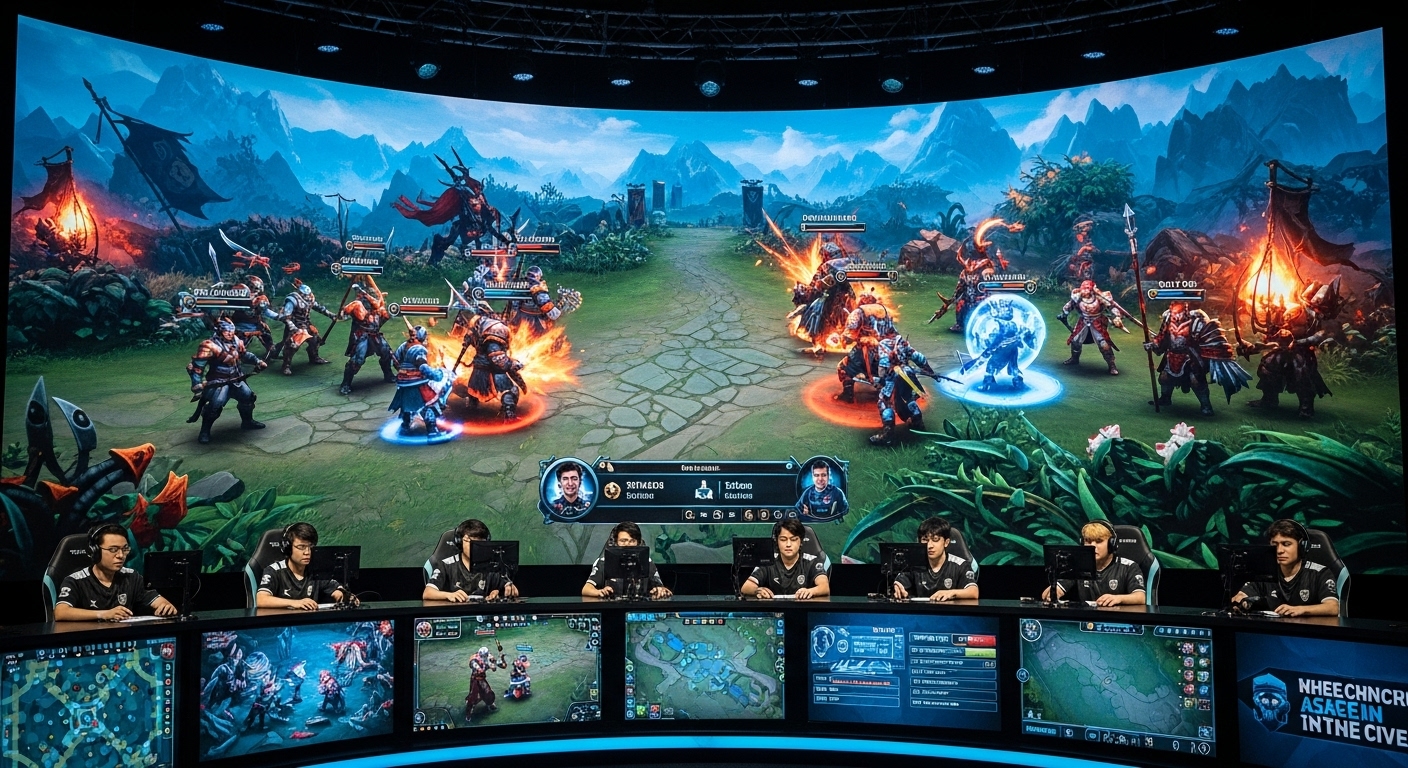
In the past few decades, the world of gaming has undergone a tremendous transformation. From simple pixelated games to immersive virtual worlds, the evolution of video games has brought with it a new wave of competition, entertainment, and fandom. At the forefront of this revolution is esports, a term that has become synonymous with professional competitive gaming. Esports is not just about playing games for fun—it’s a global industry, a form of entertainment, and, for many, a viable career path.
In this blog post, we will explore the rise of esports, how it has become a cultural phenomenon, the business behind it, and its future.
The Birth of Esports: From Casual Gaming to Competitive Arenas
The concept of competitive gaming dates back to the early days of video games. However, it wasn’t until the late 1990s and early 2000s that esports began to take shape as a formalized competitive scene. Early pioneers like Quake, StarCraft, and Warcraft began to set the foundation for what we now know as professional esports.
The first real milestones in the history of esports occurred with major tournaments such as the Red Annihilation tournament in 1997, which was one of the first large-scale tournaments for a first-person shooter. However, it was the emergence of StarCraft in South Korea that truly kicked off the competitive gaming revolution. By the early 2000s, South Korea had become the global hub for esports, with televised broadcasts of gaming tournaments and professional players being treated like celebrities. This era paved the way for esports to go beyond a niche hobby and into the realm of mainstream entertainment.
The Rise of Global Esports Competitions
One of the defining features of esports is its accessibility. Unlike traditional sports, which require physical talent and facilities, esports only requires a computer or console and an internet connection. This has made it easier for people from around the world to participate in or spectate competitive gaming.
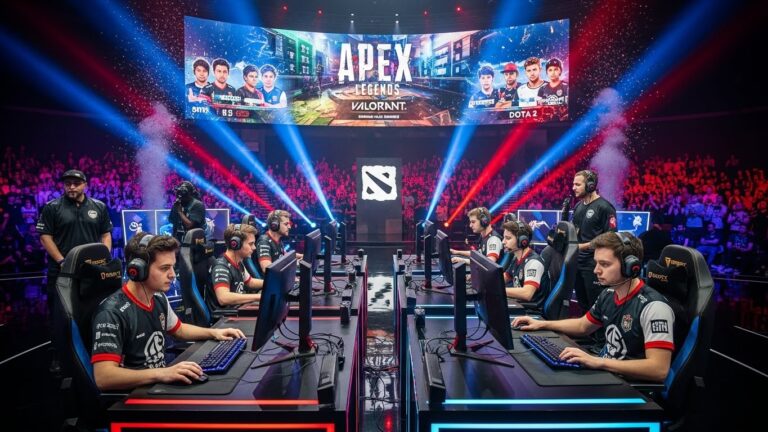
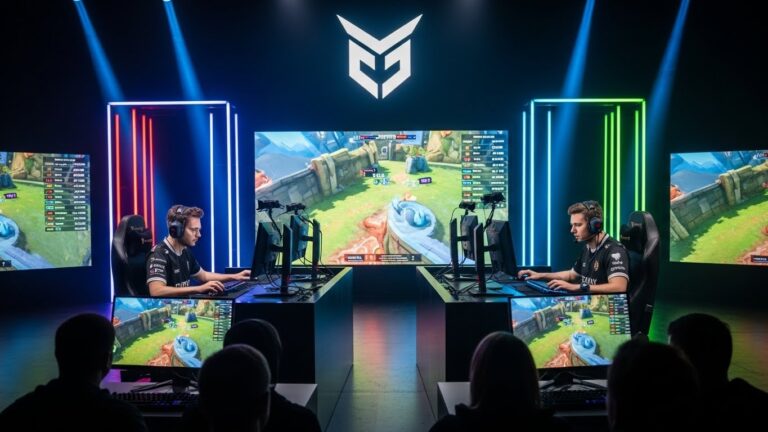
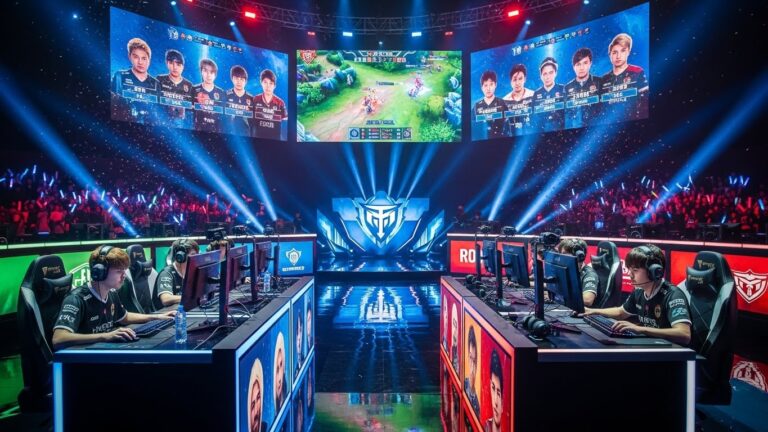
Major esports tournaments like The International (Dota 2), League of Legends World Championship, and Fortnite World Cup have become fixtures on the global sports calendar. These events regularly draw millions of viewers from all corners of the globe, making esports one of the most-watched entertainment categories in the world today. The League of Legends World Championship, for example, has surpassed viewership numbers of major sports finals like the Super Bowl and NBA Finals.
What is fascinating about these events is that they have managed to blend the worlds of traditional sports and entertainment. Much like traditional sports, esports competitions feature live commentary, pre-game analysis, and post-game breakdowns. However, esports also has its own unique set of characteristics, such as interactive fan engagement and digital experiences, which attract a younger, tech-savvy audience.
The Business Side of Esports: A Multibillion-Dollar Industry
The popularity of esports has translated into a booming business, with an estimated value of over $1 billion. Brands, advertisers, and media companies have taken notice, investing heavily in this rapidly growing market. Leading companies in tech, telecommunications, and consumer goods are partnering with esports organizations to reach a younger demographic that is increasingly difficult to engage through traditional advertising.
Professional esports players and teams are now household names, with many athletes signing multi-million dollar sponsorships and earning hefty salaries. For example, a top-tier player in Dota 2 can earn millions of dollars in prize money alone, while League of Legends players also enjoy lucrative sponsorships, media deals, and merchandise sales. Esports organizations have adopted the business models of traditional sports teams, with revenue streams from sponsorships, media rights, merchandise sales, and ticket sales for live events.
Streaming platforms like Twitch and YouTube Gaming have become integral to the success of esports. These platforms provide gamers with the ability to broadcast their gameplay live to millions of viewers around the world. In addition, they offer a platform for fans to interact with players, comment on gameplay, and form communities. Esports is also a prominent feature on social media platforms such as Twitter, Instagram, and TikTok, where players and teams can engage directly with their fans, promoting their brands and events.
The Impact of Esports on the Gaming Industry
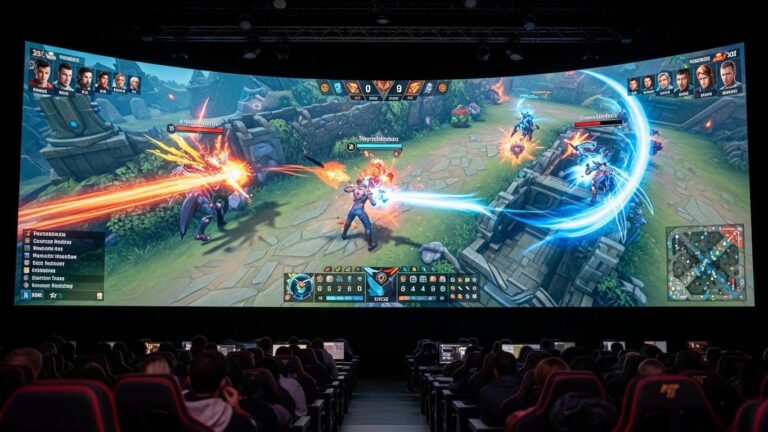
Esports has not only influenced the competitive gaming scene but has also had a profound impact on the gaming industry as a whole. The esports model has shifted the focus from single-player experiences to multiplayer games that are specifically designed with competition in mind. MOBA (Multiplayer Online Battle Arena) games like League of Legends, Dota 2, and Smite, as well as Battle Royale games like Fortnite and Apex Legends, are now at the forefront of the gaming industry. These games are designed to encourage teamwork, strategy, and competition, which has made them perfect candidates for the esports scene.
Game developers have also realized the potential of esports as a tool for marketing and community engagement. Many modern games are designed with competitive elements in mind, and game developers continue to update and refine these titles to maintain the competitive integrity required for esports. Additionally, gaming companies have created in-game events and tournaments to allow players to experience esports in a more immersive and interactive way.
Another significant impact of esports on the gaming industry is the rise of game streaming, which has created new revenue streams for game developers and publishers. Esports-related content on platforms like Twitch and YouTube Gaming generates millions of dollars in ad revenue, while in-game purchases, such as skins and cosmetics, continue to be a major source of income for developers.
The Professionalization of Esports: A Legitimate Career Path
For years, the notion of video gaming as a career was seen as a fantasy. However, in recent years, professional esports has become a legitimate and sustainable career option. Top esports players now enjoy salaries, health insurance, and other benefits typically reserved for traditional athletes. Many professional players also have the opportunity to diversify their income through sponsorship deals, streaming, and merchandising.
The rise of esports organizations and leagues has created an entire ecosystem around professional gaming. These organizations employ coaches, analysts, managers, and content creators, making esports a viable career option for people with a variety of skill sets. Additionally, the industry has given rise to a new wave of influencers, commentators, and analysts who are integral to the culture of esports.
In addition to professional players, esports journalism and broadcasting have flourished. Just like traditional sports, esports requires live coverage, analysis, and reporting. Esports journalists provide coverage of tournaments, player performance, and industry trends, while broadcasters create the live streaming experiences that allow fans to enjoy esports from the comfort of their homes.
Esports and the Future: What’s Next?
Looking ahead, the future of esports seems incredibly bright. The rise of virtual and augmented reality technologies could revolutionize the way we experience competitive gaming. As gaming hardware and internet speeds continue to improve, we may see even more immersive and high-quality esports experiences, with virtual worlds that offer new forms of competition.
Esports is also likely to continue to expand into new territories. While esports is already a dominant force in regions like North America, Europe, and Asia, countries in Africa, Latin America, and the Middle East are starting to embrace the phenomenon. As internet access improves globally, more regions will become hotbeds for esports talent and competition.
Moreover, the growing recognition of esports in mainstream culture means that traditional sports organizations will likely become more involved in the esports industry. We’re already seeing partnerships between esports organizations and established sports leagues such as the NBA, NFL, and Formula 1, and this trend is expected to grow in the coming years.
In conclusion, esports has transformed from a niche hobby into a global industry that spans entertainment, business, and culture. With its dedicated fanbase, growing financial ecosystem, and the rise of professional players and teams, esports is no longer just about playing video games—it’s about creating an entirely new world of competition and opportunity. As the industry continues to evolve, there is no telling just how far esports will go. The future of competitive gaming is undeniably bright, and the possibilities are endless.
About the Author