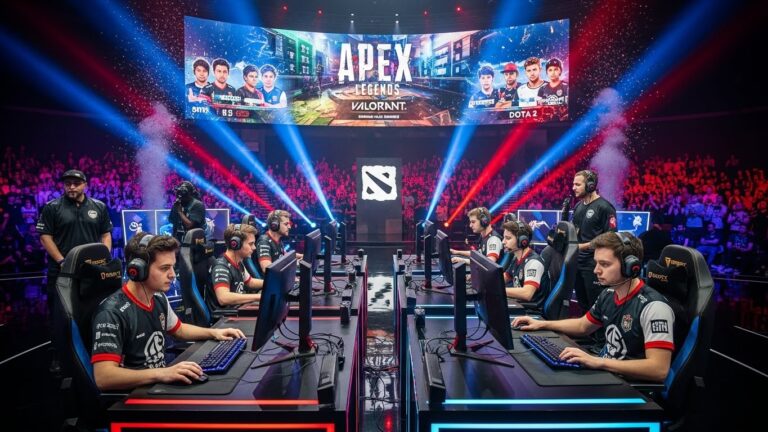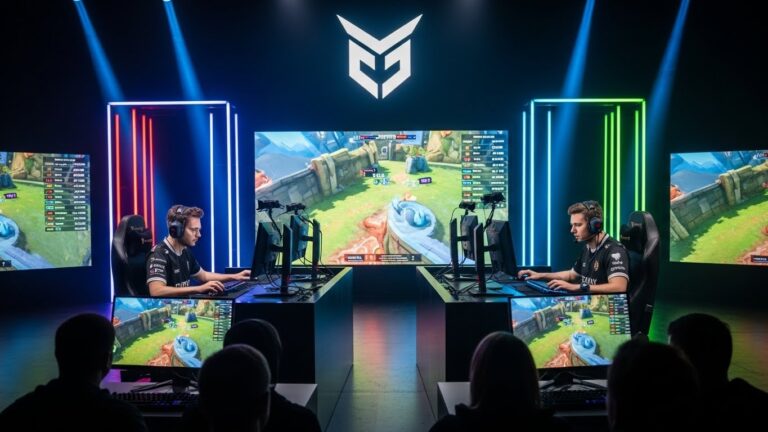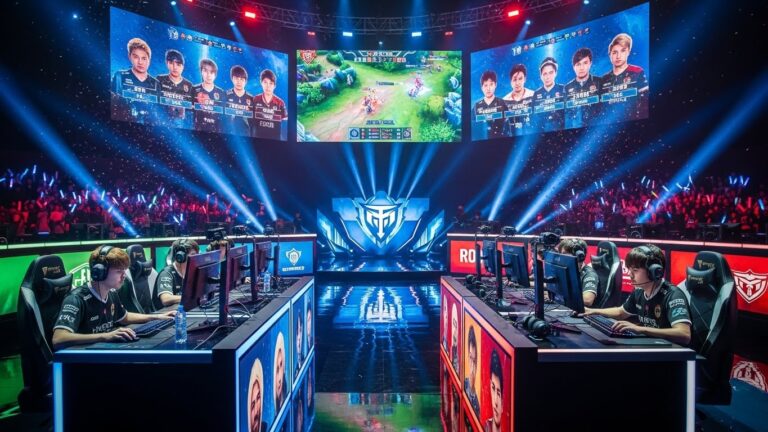
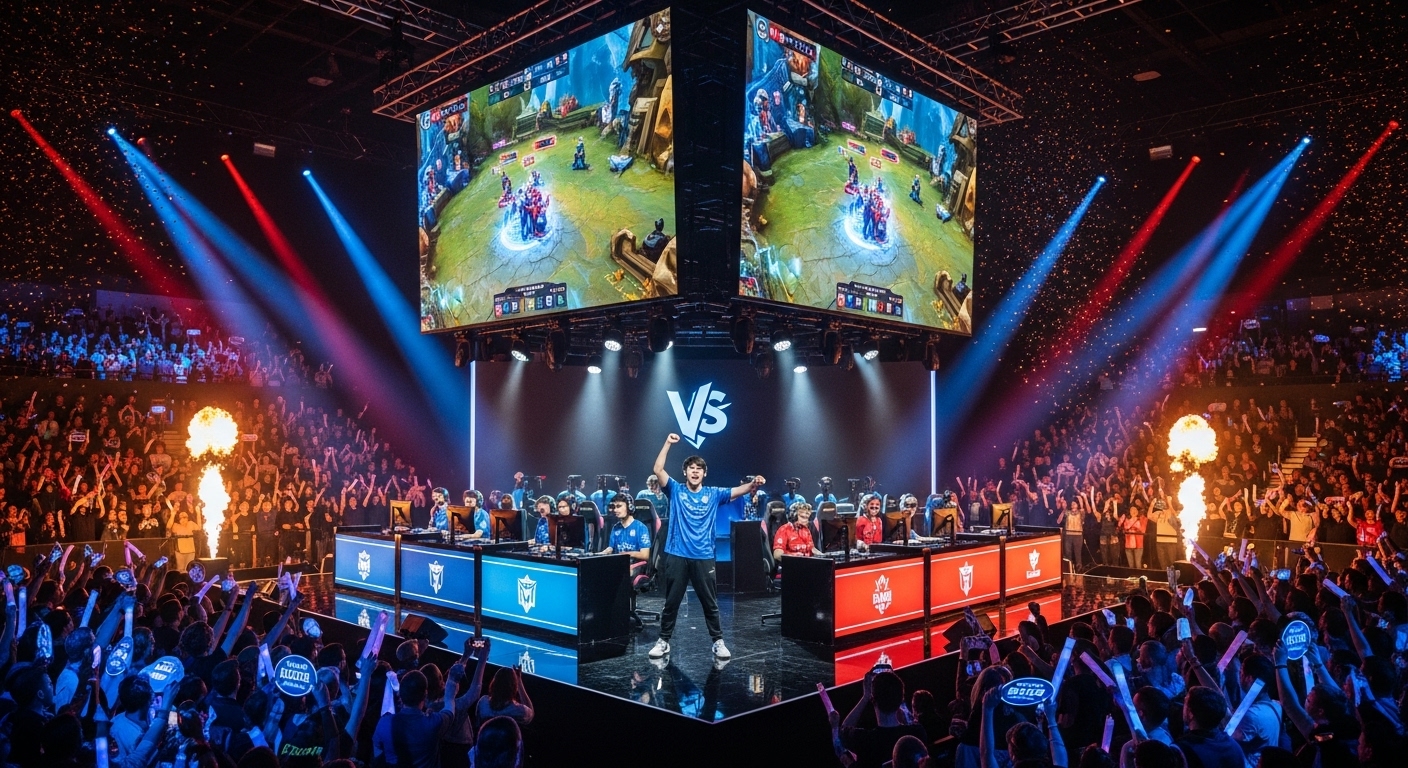
Esports, or competitive video gaming, has transformed from a niche hobby into a billion-dollar global industry. Once dismissed as casual entertainment, esports now commands massive audiences, professional players, sponsorships, and international tournaments. With the rise of high-speed internet, streaming platforms, and immersive gaming experiences, esports has established itself as a legitimate form of competition and entertainment. This blog explores the evolution of esports, its cultural and economic impact, challenges, and what the future may hold.
The Humble Beginnings of Competitive Gaming
Competitive gaming can trace its roots back to the 1970s and 1980s, when arcade games like Pong and Space Invaders became popular. Players competed for high scores, and local arcades became social hubs where gamers showcased their skills. These early competitions were informal but sparked a culture of rivalry and skill-based play.
As home consoles and personal computers became more common, games like Street Fighter, Super Mario Kart, and early real-time strategy titles allowed players to compete in their living rooms. Local tournaments emerged, often organized by enthusiasts and small communities. Although these competitions were modest, they laid the foundation for a structured competitive gaming culture.
Early competitive gaming was about community, skill, and entertainment. Even without professional recognition, these events demonstrated that video games could foster a sense of accomplishment and camaraderie.
The Professionalization of Esports
By the late 1990s and early 2000s, esports began to professionalize. Titles like StarCraft, Counter-Strike, and DotA attracted global attention, with organized leagues and televised events, particularly in South Korea. Dedicated esports teams formed, complete with coaches, analysts, and training regimens.
Professional players began earning salaries and sponsorships, elevating esports from hobby to career. Players demonstrated skills comparable to traditional athletes, including precision, strategic thinking, endurance, and teamwork. Large-scale tournaments, such as the World Cyber Games and Major League Gaming events, created structured competition with standardized rules and prize pools.
Professionalization transformed esports into an industry, showing that competitive gaming could support livelihoods and attract investment, media attention, and fan communities.
The Role of Technology in Esports’ Growth
The rapid advancement of technology has been central to esports’ rise. High-performance computers, gaming consoles, and ultra-fast internet connections enable players to compete with precision and low latency across the globe. Streaming platforms like Twitch and YouTube Gaming allow tournaments to be broadcast live to millions of viewers, transforming competitive gaming into a spectator sport.
In addition to hardware, software tools have enhanced training and gameplay. Analytics platforms track player performance, strategies, and reaction times. Teams use voice communication systems, tactical overlays, and simulation software to refine skills. Game developers also regularly update mechanics, graphics, and balance to maintain competitiveness and viewer engagement.
Technology has turned competitive gaming into an interactive, dynamic industry, enabling global tournaments and live audiences while improving both player performance and spectator experience.
Popular Esports Games and Genres
Esports encompasses a wide variety of game genres, each with unique mechanics and competitive communities. Multiplayer online battle arena (MOBA) games like League of Legends and Dota 2 emphasize teamwork, strategy, and fast decision-making. First-person shooters (FPS) such as Counter-Strike: Global Offensive and Call of Duty focus on accuracy, reflexes, and tactical coordination.
Sports simulation games like FIFA and NBA 2K replicate real-world sports in virtual environments, appealing to traditional sports fans. Fighting games such as Tekken and Street Fighter demand quick reflexes and pattern recognition. Battle royale games like Fortnite and PUBG combine strategy, survival, and rapid action, attracting massive global audiences.
Each genre caters to different audiences and skill sets, creating a diverse esports ecosystem that includes casual viewers, competitive players, and professional leagues.
The Cultural Significance of Esports
Esports is not merely a form of entertainment—it is a cultural movement. It has created global communities that transcend geographic, linguistic, and social boundaries. Fans form strong attachments to teams and players, similar to traditional sports fandoms, and participate actively in discussions, fan art, and social media content.
Esports has challenged traditional ideas of athleticism. Professional players demonstrate endurance, focus, strategic thinking, and teamwork—all qualities traditionally associated with physical sports. Educational institutions increasingly recognize esports’ legitimacy, offering scholarships, training programs, and esports clubs to develop talent.
Beyond competition, esports has influenced music, fashion, media, and entertainment, becoming an integral part of youth culture and digital social interaction.
The Business of Esports
Esports is now a multi-billion-dollar industry, driven by sponsorships, advertising, merchandise, ticket sales, and media rights. Brands target esports audiences through tournaments, team sponsorships, and online campaigns. Popular events, such as the League of Legends World Championship and The International for Dota 2, offer prize pools in the millions, underscoring the industry’s financial potential.
Professional players can earn substantial income through salaries, prize money, streaming, and brand endorsements. The industry also supports careers in coaching, analytics, content creation, broadcasting, and event management. Esports’ economic impact is global, fostering innovation, creating jobs, and attracting investment across multiple sectors.
Streaming Platforms: The Engine of Esports Popularity
Live streaming has played a crucial role in esports’ growth. Platforms like Twitch and YouTube Gaming allow fans to watch tournaments, interact with players, and follow their favorite streamers in real time. This interactivity distinguishes esports from traditional sports, creating a sense of community and engagement.
Streaming has also empowered aspiring players. Amateur gamers can build audiences, monetize content, and potentially enter professional leagues. Tutorials, highlight reels, and commentary streams generate additional revenue and increase exposure, making esports a participatory and inclusive phenomenon.
The accessibility of streaming platforms has transformed esports into a global spectacle, connecting players, fans, and sponsors in unprecedented ways.
Training and Professional Development in Esports
Esports requires rigorous training, much like traditional sports. Professional players dedicate hours daily to refining mechanics, developing strategies, and coordinating with teammates. Mental resilience, focus, and communication skills are critical for peak performance.
Esports organizations often employ coaches, analysts, nutritionists, and psychologists to support player development. Dedicated training facilities, or “esports houses,” provide controlled environments where teams can practice, strategize, and prepare for tournaments.
This professional approach highlights esports as a serious career path, demanding discipline, skill, and a strategic mindset comparable to elite athletes in conventional sports.
Challenges Facing Esports
Despite its growth, esports faces several challenges. Player burnout and mental health issues are common due to intense schedules, high-pressure competitions, and prolonged screen time. Ensuring well-being and sustainable career paths is essential.
Integrity is another concern. Cheating, doping, and match-fixing threaten credibility and fairness. Establishing consistent regulations, fair play standards, and ethical guidelines is critical for long-term legitimacy.
Accessibility remains a challenge as well. Many regions lack infrastructure, funding, or opportunities for aspiring players. Expanding access to training, tournaments, and technology is crucial for global development.
The Future of Esports
The future of esports is filled with possibilities. Virtual reality and augmented reality could create more immersive experiences for players and audiences alike. Hybrid tournaments combining live audiences with digital spectators may redefine the spectator experience.
Esports may also integrate further with traditional sports, entertainment, and education. More institutions may offer esports scholarships, professional training, and academic programs focused on gaming careers. Emerging technologies, including AI and analytics, will enhance strategy, training, and gameplay innovation.
Sustainable growth will depend on ethical practices, mental health awareness, accessibility, and community engagement. With these foundations, esports is poised to become a permanent fixture in global culture and competition.
Conclusion: Esports as a New Era of Competition
Esports has evolved from humble beginnings in arcades to a professional, globally recognized industry. It blends skill, strategy, entertainment, and technology to create a unique competitive culture. Beyond the games themselves, esports fosters communities, drives economic growth, and challenges traditional ideas of sports and athleticism.
As audiences continue to grow and technology advances, esports will expand its influence in culture, business, and entertainment. It is more than a game—it is a platform for innovation, connection, and global competition.
Esports represents the future of competitive gaming, proving that virtual arenas can inspire passion, talent, and opportunity on a scale once thought impossible. The rise of esports marks a new era where digital skills, strategy, and creativity meet, defining the next generation of sports and entertainment.
About the Author