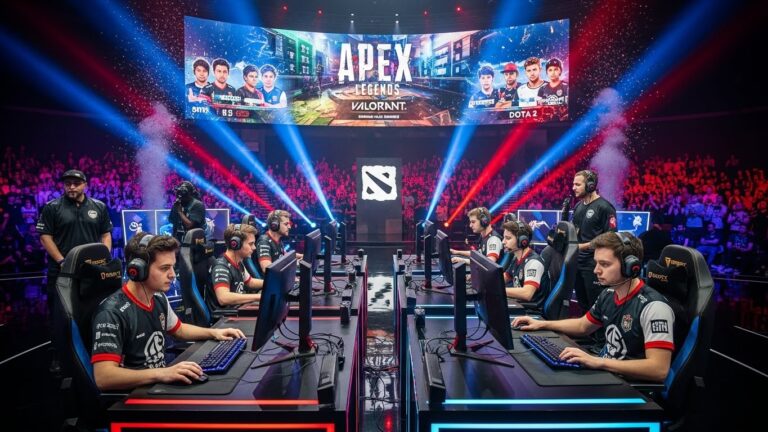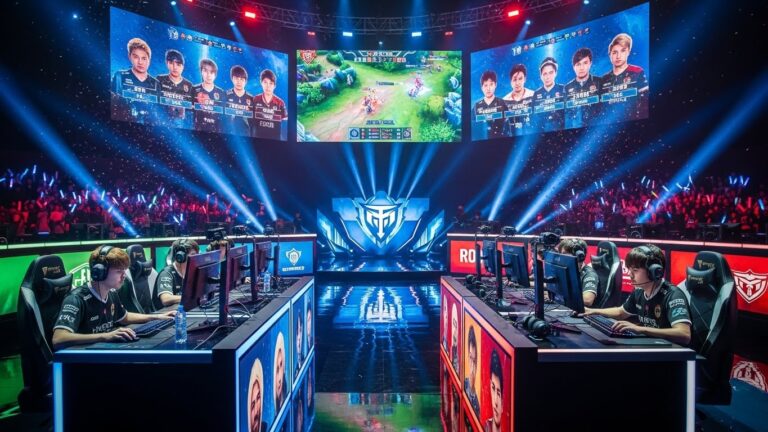
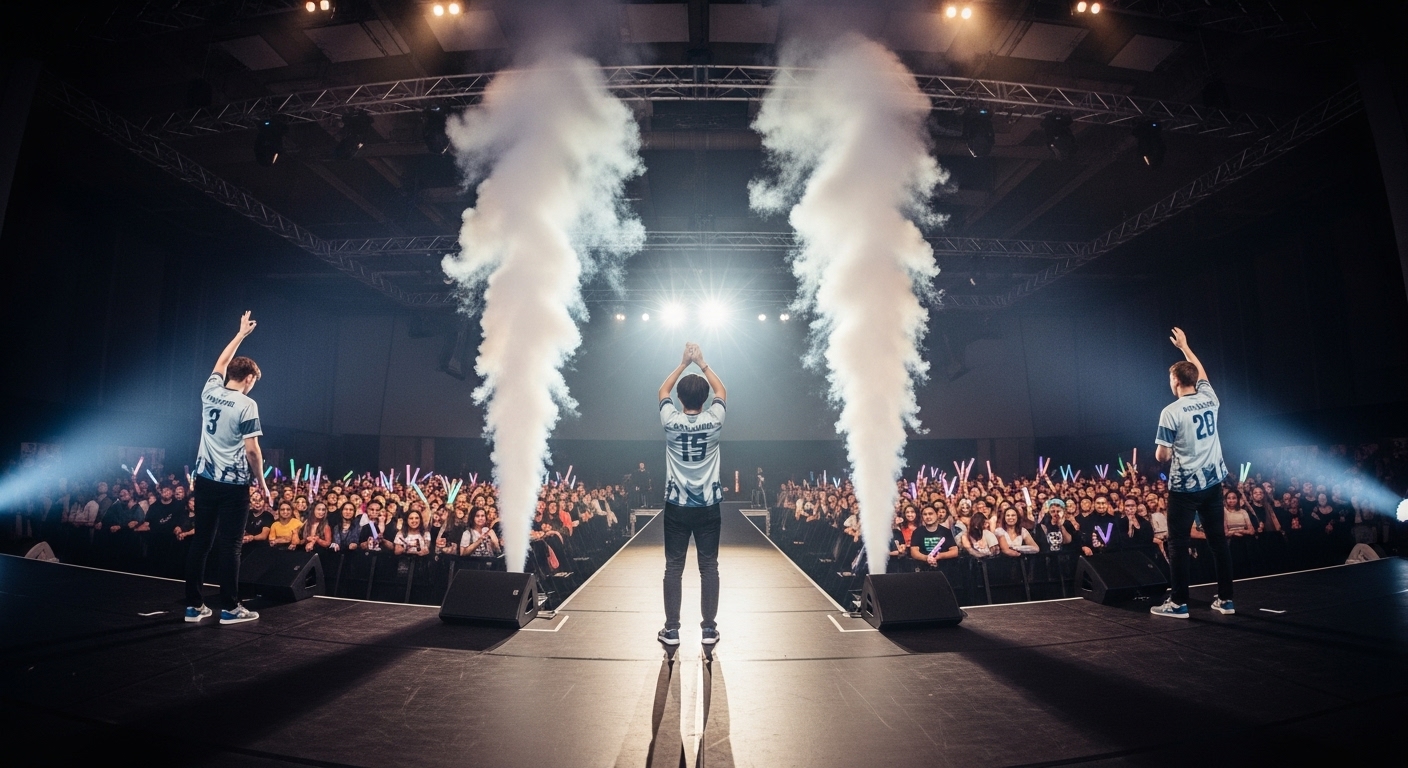
Esports, or electronic sports, has become one of the most thrilling and rapidly growing industries in the world today. Over the past few decades, this form of competitive gaming has evolved from a small niche hobby to a global phenomenon with millions of fans, players, and teams. The landscape of esports has shifted dramatically, impacting various industries, including entertainment, business, technology, and even education.
This blog post will explore the history of esports, its rise to prominence, the current state of the industry, and the potential future developments. We will also look into the cultural and economic impact of esports and its potential for shaping the future of entertainment.
The Birth of Esports: Early Beginnings
The story of esports can be traced back to the early 1970s when competitive video gaming first emerged. At that time, video games were still in their infancy, and the concept of competitive gaming was a far-fetched idea. The first known video game competition took place in 1972 at Stanford University, where students competed in a game called Spacewar. Although this competition wasn’t as large or as widely recognized as esports tournaments today, it marked the first instance of players coming together to compete in video games.
In the years that followed, the rise of arcade games and home consoles led to more localized competitions. In the 1980s, the first true esports tournament, The Red Bull LAN Party, took place. This event brought together gamers from around the country to compete in various games, and while it was still in its infancy, it laid the groundwork for future competitive gaming.
The 1990s: The Rise of LAN Parties and Early Tournaments
The 1990s saw a significant boost to the competitive gaming scene with the rise of LAN (Local Area Network) parties. The advent of the internet and improved computer hardware allowed players to connect to each other, forming the foundation for modern esports tournaments. LAN parties allowed players to compete against one another in real-time, either in person or over the internet.
The most iconic gaming tournament in the 1990s was the Cyberathlete Professional League (CPL), which held its first tournament in 1997. The CPL was pivotal in establishing esports as a serious competitive sport, with games like Quake and Counter-Strike becoming staples in the competitive gaming world.
The late 1990s also saw the rise of the StarCraft franchise in South Korea, which would later become one of the most influential games in esports history. South Korea became the epicenter of competitive gaming, where television networks began to air esports tournaments, and professional players became household names.
The Early 2000s: Esports Goes Global
By the early 2000s, esports began to take off on a global scale. The emergence of high-speed internet allowed players from different parts of the world to compete in large-scale tournaments. Online gaming platforms like Battle.net (from Blizzard Entertainment) and Steam (from Valve) allowed gamers to play with others across the globe in games such as Warcraft III, Counter-Strike, and Dota 2.
The rise of esports organizations and tournaments further solidified the competitive gaming scene. Events like World Cyber Games (WCG) and ESL (Electronic Sports League) started to attract professional players from around the world, competing for large prize pools and sponsorships. The introduction of live-streaming platforms like Twitch in 2011 revolutionized the way fans could engage with esports. Gamers could now watch tournaments live from their homes, offering a new form of entertainment that was easily accessible to a global audience.
The 2010s: The Golden Age of Esports
The 2010s marked the golden age of esports, as it exploded in popularity and mainstream recognition. Professional leagues, teams, and sponsorships began to multiply, with more players turning esports into a full-time career. Games such as League of Legends, Dota 2, Overwatch, and Hearthstone began to dominate the esports scene, attracting millions of viewers and offering multi-million-dollar prize pools.
One of the key developments during this period was the growth of esports sponsorships. Large corporations, including companies like Coca-Cola, Intel, Nike, and Mercedes-Benz, began to sponsor esports events and teams. These partnerships helped legitimize esports and provide players with financial support, turning gaming into a viable career path for many talented individuals.
The prize pools for esports tournaments also skyrocketed during this time. The The International (TI), an annual Dota 2 tournament, has become one of the most significant esports events globally, offering prize pools that often exceed $30 million. In 2018, the TI8 tournament broke records with a $25 million prize pool, and the winners took home more than $11 million. The explosion in prize money made esports tournaments comparable to traditional sports competitions, drawing even more attention from fans and sponsors.
In addition to the increase in financial support, the professionalization of esports teams and organizations also played a crucial role in its success. Teams such as Cloud9, Team Liquid, Fnatic, and SK Telecom T1 became household names in the esports community, and the players who represented these teams became celebrities in their own right. Esports athletes began to garner millions of followers on social media, contributing to the rise of the “esports influencer” phenomenon.
The Current State of Esports: A Billion-Dollar Industry
In the present day, esports is a multi-billion-dollar industry, with a fanbase numbering in the hundreds of millions. Esports tournaments are broadcast across various platforms, including Twitch, YouTube, and even traditional television networks. According to Newzoo, a leading analytics company specializing in esports, the global esports industry was expected to reach over $1.5 billion in revenue by 2023, with sponsorships, media rights, and merchandise sales contributing heavily to the overall growth.
Some of the largest esports tournaments, such as League of Legends World Championship, The International, and Overwatch League, have audiences that rival traditional sports events. These tournaments now fill arenas with tens of thousands of fans and are often live-streamed to millions of viewers around the world. Additionally, the rise of mobile esports has expanded the reach of the industry, with games like PUBG Mobile, Free Fire, and Clash Royale gaining massive popularity in regions like Southeast Asia and India.
The esports industry has also seen an increase in collaboration with traditional sports leagues. Organizations such as the National Football League (NFL), National Basketball Association (NBA), and Major League Gaming (MLG) have entered the esports arena, investing in teams and tournaments. Many traditional sports figures, including basketball stars like Shaquille O’Neal and Michael Jordan, have become involved in esports, either by investing in teams or by promoting esports events.
The Role of Education in Esports
As esports continues to grow, educational institutions are beginning to take notice. Many universities and colleges are now offering scholarships for esports athletes, providing opportunities for talented gamers to compete at a professional level while earning a degree. This has led to the rise of collegiate esports leagues, where players from different institutions compete in various games. These leagues not only provide a platform for players to hone their skills but also prepare them for a potential career in the esports industry.
Furthermore, specialized esports programs have emerged at the high school level, with students being introduced to competitive gaming at an earlier age. These programs help develop the next generation of esports athletes, coaches, analysts, and broadcasters.
The Future of Esports: What’s Next?
The future of esports looks incredibly bright, with ongoing advancements in technology, media, and player engagement. One area that holds significant potential is the development of virtual reality (VR) and augmented reality (AR) technologies. These technologies could revolutionize the way esports tournaments are played and experienced, allowing for more immersive and interactive competitions.
Moreover, esports’ potential for growth in untapped markets, such as Africa, South America, and the Middle East, presents a huge opportunity for expansion. These regions, which have a growing gaming community, could become the next esports hubs, and the industry is likely to see an influx of new fans and players from these areas in the coming years.
The integration of blockchain and cryptocurrency into esports is another development worth watching. Cryptocurrencies and NFTs (Non-Fungible Tokens) are already making their way into esports, with some teams and tournaments accepting digital currencies for transactions and rewards. Blockchain technology could also be used to ensure transparency in tournament prize pools and player contracts, further legitimizing the industry.
Conclusion: Esports’ Impact on Culture and Society
Esports has gone from a niche hobby to a global cultural force. The growth of esports has had a profound impact on entertainment, education, and business. With millions of fans around the world and an ever-growing number of sponsors, esports has become a multi-billion-dollar industry in its own right.
Whether it’s through the excitement of live tournaments, the rise of esports influencers, or the increased accessibility of competitive gaming, esports is here to stay. As technology advances and the industry continues to grow, the future of esports is filled with limitless potential. For fans, players, and organizations alike, the journey is just beginning, and the best is yet to come.
About the Author