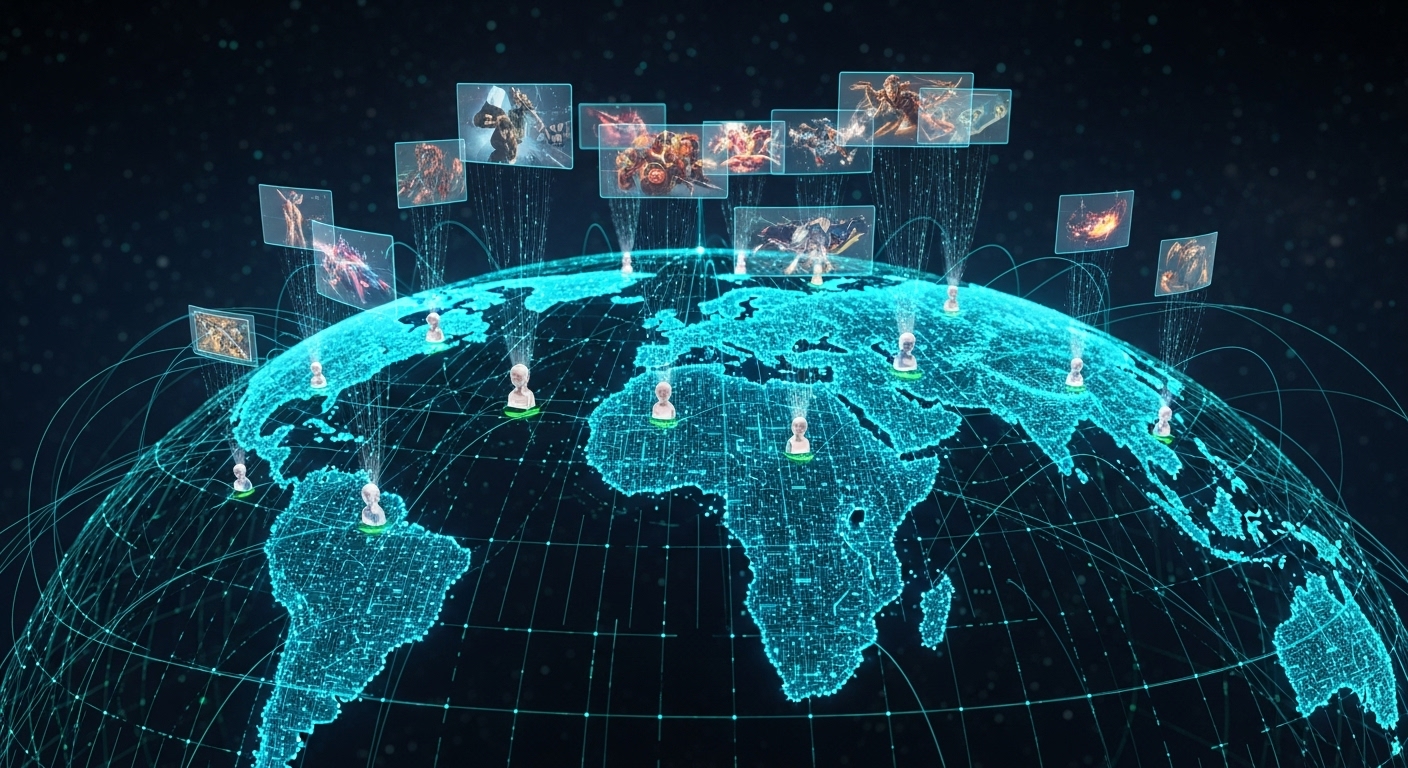
Introduction: From Arcade Corners to Global Arenas
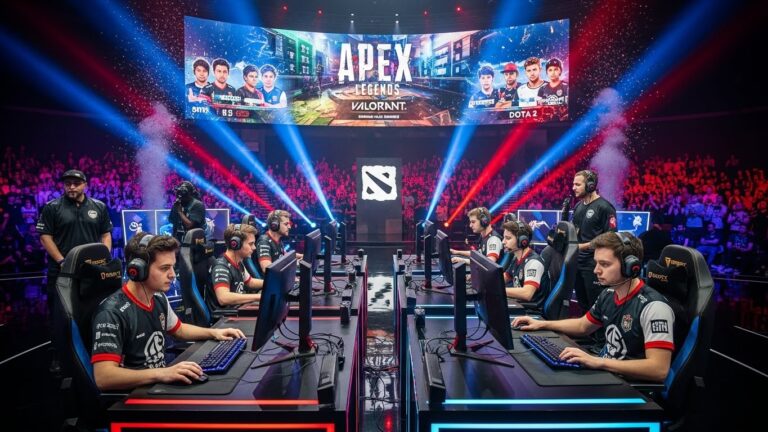
There was a time when gaming was seen as a quiet hobby—a way to pass a few hours with friends or escape into a virtual world after a long day. Fast forward a few decades, and that same pastime has transformed into one of the largest entertainment industries in the world. Esports—short for electronic sports—has grown from small, local competitions into massive global tournaments that fill stadiums and attract millions of online viewers.
What started with a handful of gamers in dimly lit LAN cafés has evolved into a professional ecosystem with coaches, analysts, sponsorships, and multimillion-dollar prize pools. Esports is no longer the future—it’s the present, and it’s rewriting what competition looks like in the digital age.
The Early Days of Esports
The roots of esports go back further than many realize. The first recognized video game competition took place in 1972 at Stanford University, where students played “Spacewar.” The prize wasn’t money or fame—it was a year’s subscription to Rolling Stone magazine. Yet, even then, the competitive spark was there.
By the 1980s, arcade games like “Pac-Man” and “Donkey Kong” turned high scores into a badge of honor. Players would line up to see who could etch their initials at the top of the leaderboard. The 1990s brought the first organized tournaments, especially in games like “Street Fighter II,” “Doom,” and “Quake.” LAN parties became the center of gaming culture, where players carried bulky computers just to compete in person.
These early events weren’t glamorous, but they built the foundation of what esports would become: competition, community, and the shared thrill of victory.
The Internet Revolution and the Birth of Online Play
The explosion of the internet in the late 1990s changed everything. Games were no longer confined to physical spaces. Players could now compete with anyone, anywhere. Titles like “StarCraft,” “Counter-Strike,” and “Warcraft III” took advantage of this new connected world, creating online ladders and ranking systems that allowed global competition.
Korea, in particular, became the heart of early esports. “StarCraft: Brood War” turned ordinary gamers into celebrities. Television channels began broadcasting matches, sponsors poured in, and gaming houses were established where players lived and trained together. South Korea’s early adoption of high-speed internet created the perfect environment for esports to thrive, setting an example the rest of the world would later follow.
The 2000s: Professionalization and Global Expansion
By the 2000s, esports began to move beyond underground culture. Organizations like the Cyberathlete Professional League and Major League Gaming (MLG) started hosting structured tournaments with serious prize money. Streaming platforms weren’t yet mainstream, but the seeds of global esports were being planted.
Games like “Counter-Strike 1.6,” “Warcraft III,” and “Halo 2” defined an era. Players traveled internationally to compete, forming dedicated teams that started to resemble sports franchises. Fans followed their favorite teams not just for gameplay but for personality and drama—rivalries began to form, and storylines took shape.
The industry’s growth also began attracting sponsors outside of gaming—energy drink brands, hardware companies, and even car manufacturers saw potential in reaching this young, passionate audience.
The Streaming Boom: How Twitch Changed Everything
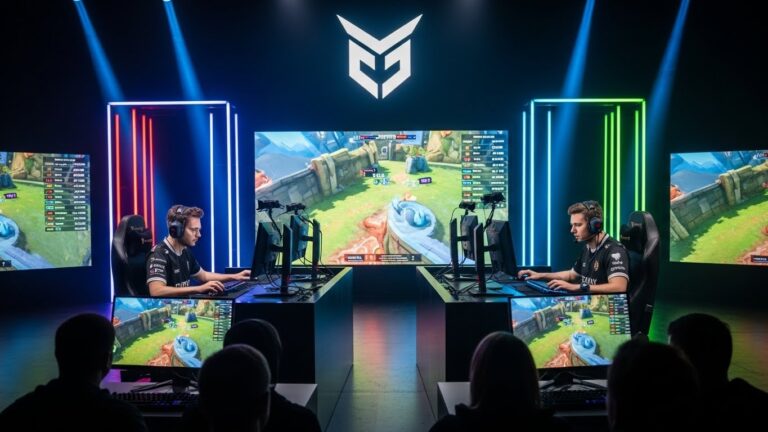
If the 2000s built the stage, the 2010s turned on the spotlight. The rise of live-streaming changed esports forever. Platforms like Twitch and YouTube Gaming gave fans a direct connection to players. Matches could now be watched from anywhere in the world in real time, with live chat and instant replays.
Streaming turned esports into a spectator sport on par with traditional athletics. Watching a “League of Legends” final or a “Dota 2” International became an event. Viewership numbers began to rival—and sometimes surpass—traditional sports broadcasts.
This accessibility made esports global in a way few industries have achieved. A fan in Brazil could cheer for a team in China. Players became influencers with millions of followers. The line between professional player and online personality blurred, giving rise to a new kind of celebrity: the gamer-star.
The Games That Defined the Scene
Different games have dominated at different times, but each has contributed to esports’ identity.
League of Legends
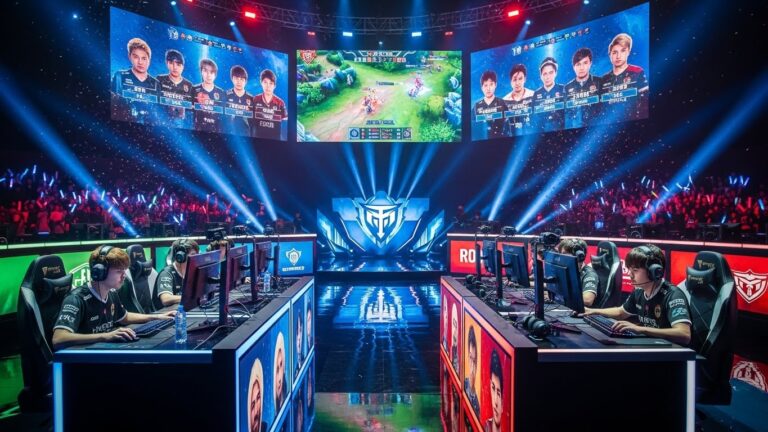
Launched in 2009, “League of Legends” became the cornerstone of modern esports. With its team-based structure and fast-paced strategy, it drew massive crowds. The League of Legends World Championship now fills entire stadiums and draws tens of millions of viewers online.
Dota 2
Valve’s “Dota 2” elevated prize pools to new heights. Its annual tournament, The International, consistently breaks records with community-funded prize money, often exceeding tens of millions of dollars. For many, it represents the pinnacle of competitive gaming achievement.
Counter-Strike: Global Offensive
“CS:GO” built on a legacy that began in the late ‘90s and remains one of the most respected and enduring esports titles. It combines skill, precision, and teamwork, and its professional circuit is followed by millions across the globe.
Overwatch, Valorant, and New Entrants
As technology evolved, so did new esports experiences. Blizzard’s “Overwatch” tried a franchised, city-based model inspired by traditional sports leagues. Riot Games’ “Valorant” merged elements of tactical shooters and hero abilities, drawing in both “CS:GO” veterans and new players.
Each title brings something unique to the table, keeping esports fresh, diverse, and constantly evolving.
The Business of Esports
Behind the flashing lights and roaring crowds, esports has become a serious business. Tournament organizers, game publishers, sponsors, and streaming platforms form an intricate ecosystem that supports thousands of professionals worldwide.
Revenue comes from several main sources—advertising, sponsorships, merchandise, media rights, and ticket sales. Game publishers also play a central role, often running or regulating their own esports leagues to maintain brand control and consistency.
Teams have transformed into organizations with management structures, marketing departments, and talent scouts. They negotiate sponsorship deals, manage player contracts, and build fan engagement strategies similar to traditional sports franchises.
As the industry grows, so does its investment potential. Global esports revenue surpassed the billion-dollar mark, and though fluctuations happen, the long-term trend points upward as viewership and engagement continue to rise.
The Players: The New-Age Athletes
For years, there was skepticism about whether gamers could be considered athletes. Today, that debate feels outdated. Professional esports players train intensively, often for eight to twelve hours a day. They work with coaches, nutritionists, and psychologists to improve their performance and maintain mental health.
Reaction time, hand-eye coordination, and strategic thinking are honed through repetitive practice. Teams study opponents’ gameplay footage, analyze data, and develop tactics—just like football or basketball teams.
Many players reach their peak in their late teens or early twenties, and careers can be short due to burnout or evolving metas. However, retired players often transition into coaching, content creation, or management roles, ensuring the community retains its experienced talent.
The Global Stage: Esports Around the World
Esports isn’t limited by geography. Different regions have developed their own strongholds.
- Asia, especially South Korea and China, remains the beating heart of esports culture. Gaming there is a national pastime, with pro players treated as celebrities.
- North America has built strong infrastructure through franchised leagues and massive corporate investment.
- Europe contributes powerhouse teams across multiple titles and has a thriving grassroots community.
- Southeast Asia and Latin America are emerging rapidly, with passionate fan bases and improving infrastructure.
The universality of gaming allows cultural exchange and global collaboration unlike any other competitive medium.
Esports and Traditional Sports: A Converging World
Initially, traditional sports organizations viewed esports with skepticism. That’s changing quickly. Major clubs like Manchester City, Paris Saint-Germain, and the Dallas Cowboys have invested in or launched esports teams.
The Olympics and other sporting bodies are exploring how to integrate esports events, acknowledging its role in the modern competitive landscape. While traditional sports rely on physical performance, esports emphasizes digital skill and mental agility, appealing to a new generation that grew up online.
This convergence is reshaping how we define “sport.” Both demand teamwork, dedication, and discipline—the playing field is simply digital instead of physical.
The Culture and Community Behind Esports
Beyond competition, esports thrives because of its community. Fans aren’t passive spectators—they’re active participants. They interact directly with players through social media and streams, discuss strategies, and even influence the meta through their feedback.
Events are more than just matches—they’re festivals celebrating gaming culture. Cosplayers, artists, and streamers all contribute to a shared experience that feels personal and inclusive.
Esports has also helped redefine social interaction. For many, online gaming communities provide belonging and identity. It’s a space where friendships cross borders and languages.
Challenges Facing the Industry
Despite its success, esports faces real challenges. Player burnout, inconsistent regulations, and dependence on specific games or publishers create instability.
Monetization remains uneven. While top-tier events generate millions, many smaller tournaments and organizations struggle financially. The balance between community-driven authenticity and corporate control is still being worked out.
There are also concerns about inclusivity and accessibility. Women and marginalized groups often face harassment or underrepresentation in professional circuits. The industry continues to grapple with how to make esports welcoming and fair for everyone.
Additionally, the physical and mental health of players is an ongoing discussion. Long training hours and the pressure to perform can take a toll, making support systems and education crucial for sustainable careers.
Education and Esports: A New Academic Frontier
What was once seen as a distraction from school is now part of it. Universities and colleges around the world are launching esports programs, scholarships, and research initiatives.
Students study not only gameplay but also broadcasting, management, and marketing—skills applicable across the digital economy. Esports clubs give young players opportunities to compete, build teamwork, and even pursue professional careers.
This educational recognition further legitimizes esports as a discipline that blends technology, creativity, and competition.
The Future of Esports: Where It’s Heading
Looking ahead, esports shows no signs of slowing down. The next wave of growth will likely come from technology and accessibility.
Virtual reality and augmented reality could redefine how games are played and watched. Mobile gaming, particularly in regions like India and Southeast Asia, is introducing millions of new fans. Artificial intelligence is enhancing training analytics, providing insights into player performance that were previously impossible.
Esports will also continue to merge with mainstream culture—music, fashion, and entertainment brands are already collaborating with gaming organizations. The line between “esports” and “entertainment” will only continue to blur.
In time, it’s likely that esports will stand shoulder-to-shoulder with traditional sports in terms of recognition and influence.
Conclusion: The Power of Play
At its core, esports represents something deeply human: the desire to compete, connect, and create meaning through shared experiences. Whether you’re watching a “League of Legends” final in a packed arena or playing a small local tournament with friends, the energy is the same—the thrill of the game.
Esports has come a long way from the days of basement LAN parties. It’s become a global movement that unites people across continents and cultures. Its growth reflects the evolution of our digital lives and how we find community in the modern world.
As technology continues to advance, one thing is certain: the world of esports will keep expanding, inspiring new generations of players and fans who understand that passion for play can be just as powerful as any sport ever played on grass or court.
About the Author