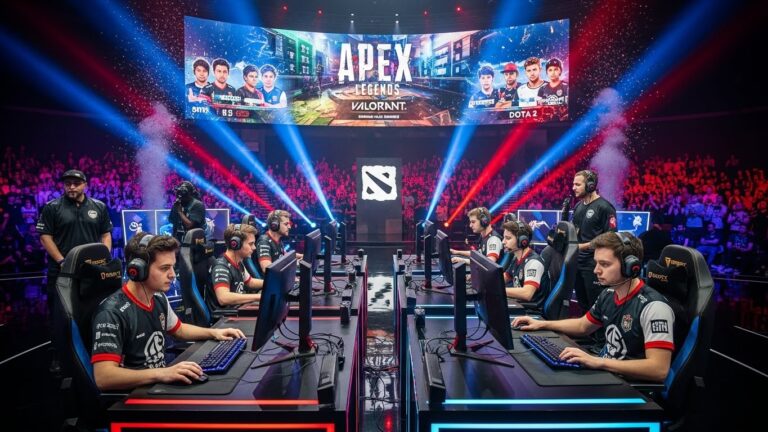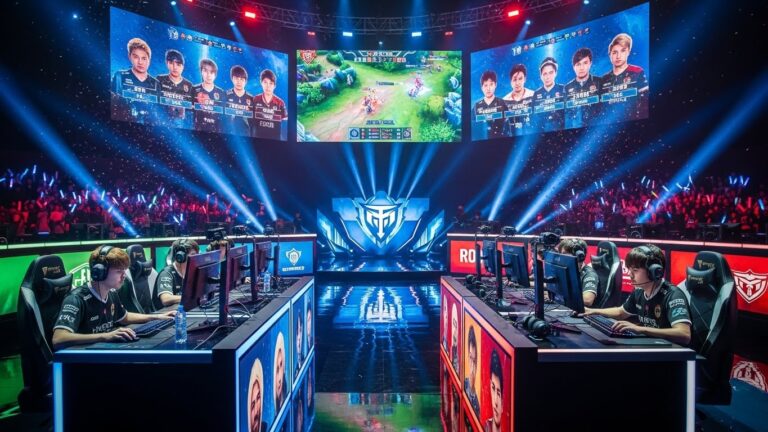
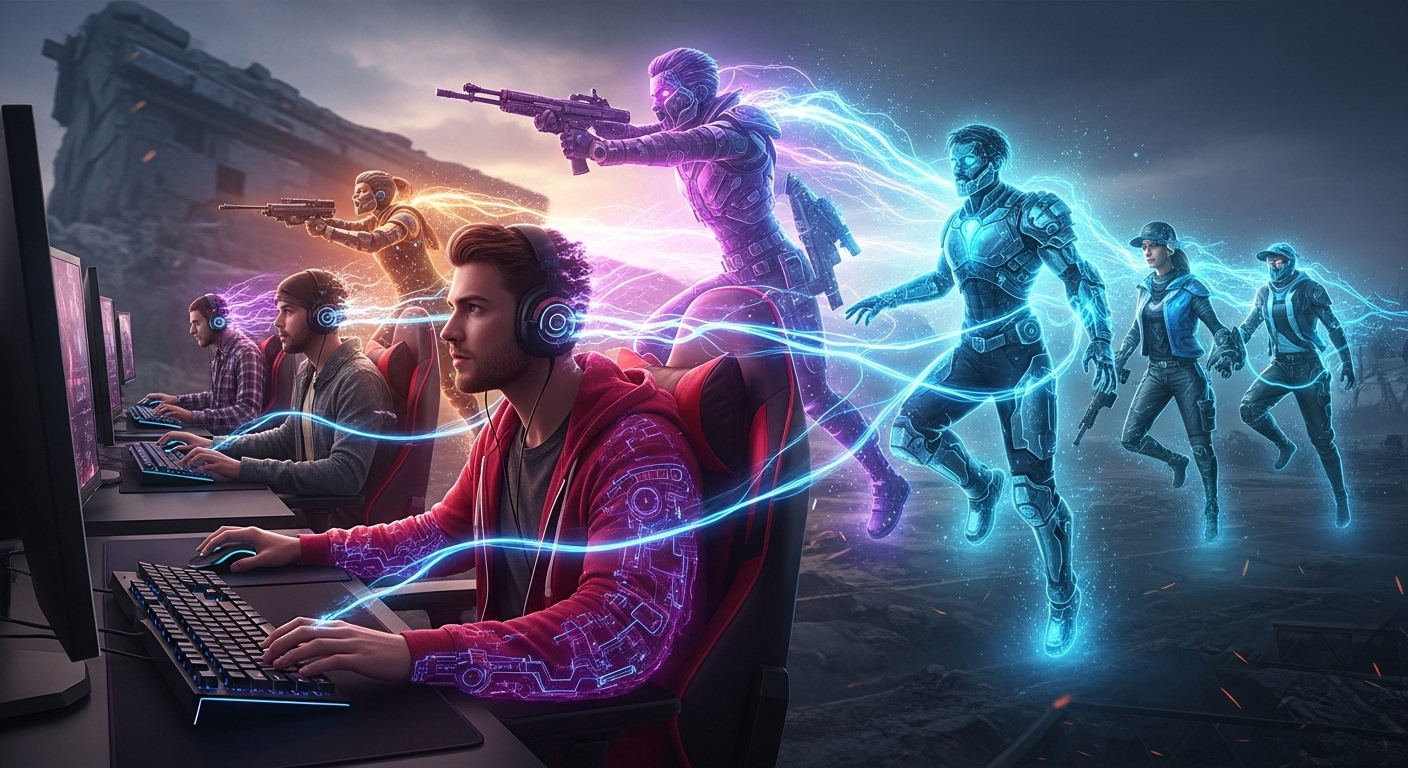
Esports—short for electronic sports—has grown from a small community of dedicated gamers to a worldwide entertainment and business powerhouse. What started as a few people playing video games competitively has transformed into a multi-billion-dollar industry filled with professional teams, global tournaments, and millions of passionate fans.
In this post, we’ll explore the evolution of esports, what makes it such a powerful force today, the challenges it faces, and where it’s heading in the years to come.
The Early Days of Competitive Gaming
To understand the esports revolution, we have to go back to where it all began. Competitive gaming didn’t start with flashy stages or streaming platforms—it began in basements, computer labs, and arcades.
The Arcade Era
In the 1970s and 1980s, arcade games like Space Invaders, Pac-Man, and Donkey Kong sparked a wave of competition among gamers who wanted their names on the top of the leaderboard. In 1980, Atari hosted the Space Invaders Championship, considered one of the first large-scale video game competitions. More than 10,000 players participated, proving that gaming had mass appeal far beyond what anyone expected at the time.
The LAN Party Generation
By the 1990s, personal computers were becoming more accessible, and local area network (LAN) parties allowed gamers to connect and play together in person. Games like Doom, Quake, and StarCraft set the stage for what would become organized esports. These small gatherings of friends soon evolved into structured tournaments.
South Korea’s Crucial Role
If there’s one country that deserves credit for shaping modern esports, it’s South Korea. After the Asian financial crisis in the late 1990s, internet cafes—known as PC bangs—became cultural hubs. StarCraft, released by Blizzard Entertainment in 1998, became a national obsession. Korean players like Lim “BoxeR” Yo-hwan became celebrities, and televised matches drew millions of viewers. This was the beginning of esports as a spectator sport.
The 2000s: Esports Becomes a Real Industry
The early 2000s marked the formal birth of professional esports. What had been community-driven tournaments became organized leagues with sponsorships, media coverage, and real money on the line.
Early Tournaments and Leagues
Organizations like Major League Gaming (MLG) in the United States and the Electronic Sports World Cup (ESWC) in Europe began standardizing competition. Games such as Counter-Strike, Warcraft III, and Halo were the stars of the time. The idea of professional gamers traveling to tournaments and earning sponsorships became legitimate.
The Impact of the Internet
Broadband internet changed everything. It allowed players to compete without being in the same room, connecting gamers from across the world. It also made it possible for fans to follow matches online. While live streaming platforms weren’t yet popular, downloadable replays and forums created a growing online culture around esports.
The Birth of the Modern Pro Gamer
By the mid-2000s, being a professional gamer wasn’t just a dream for a select few—it became a possible career path. Top players began earning enough through prize money, sponsorships, and salaries to focus entirely on their craft. Teams started forming under professional organizations, and coaching, training schedules, and even diet plans became part of the routine.
The Streaming Revolution
Everything changed with the rise of streaming platforms. Twitch, launched in 2011, became the beating heart of the esports world. Suddenly, anyone could broadcast their gameplay, and fans could watch live, comment, and interact.
Accessibility and Community
Streaming made esports more accessible than ever. You didn’t need a TV deal or a cable channel to reach millions. All you needed was an internet connection. This democratization of content led to explosive growth—not just for professional players but also for content creators and casual streamers who built personal brands.
YouTube and Global Reach
YouTube also played a crucial role. Highlight reels, tutorials, and match replays helped grow esports audiences. Fans who missed live games could catch up easily, and new viewers could learn about the competitive scene in bite-sized videos.
The Power of Personality
Unlike traditional sports, where athletes are often seen from a distance, esports blurred the line between fan and player. Streamers engaged directly with their audiences, showing not just gameplay but personality. That connection turned players into influencers, and influencers into stars.
The Games That Shaped Esports
Esports isn’t a single game—it’s an ecosystem built around a diverse set of titles. Each major esport has its own culture, audience, and style of play.
League of Legends
Released in 2009 by Riot Games, League of Legends became the face of global esports. Its yearly World Championship draws millions of viewers, rivaling even major traditional sports finals. The game’s structure—five players on each team battling for control of a map—offers endless strategy and excitement.
Dota 2
Valve’s Dota 2 is another titan, known for The International, an annual tournament with prize pools exceeding tens of millions of dollars. Funded largely by the player community, The International became a model of how fan engagement can fuel esports success.
Counter-Strike: Global Offensive
Few games have the staying power of Counter-Strike. With its simple concept—terrorists vs. counter-terrorists—it’s been a staple of esports for over two decades. Its mix of skill, strategy, and tension makes it one of the most-watched shooters in history.
Fortnite and the New Wave
Then came Fortnite, which redefined what an esport could look like. Mixing competitive play with pop culture and creativity, Fortnite blurred the line between entertainment and gaming. The Fortnite World Cup in 2019 made headlines when a 16-year-old player won $3 million—proof of how far esports had come.
The Esports Ecosystem
The esports industry is more than just games and players. It’s a full-fledged ecosystem involving teams, sponsors, event organizers, broadcasters, and fans.
Teams and Organizations
Professional esports teams operate much like traditional sports franchises. They recruit players, hire coaches, manage training facilities, and sign brand partnerships. Names like Team Liquid, Fnatic, T1, and Cloud9 have become as recognizable as football or basketball teams in their regions.
Sponsors and Advertising
With millions of engaged young viewers, esports became a goldmine for brands. Companies like Intel, Red Bull, Nike, and even Mercedes-Benz have invested heavily in esports sponsorships. For them, esports offers access to an audience that’s often unreachable through traditional media.
Event Production
Esports events have become massive spectacles. Arenas once reserved for concerts or sports now host gaming tournaments with elaborate stages, pyrotechnics, and live commentary. The production value rivals that of major TV broadcasts.
Broadcasting and Media Rights
Just like sports leagues sell TV rights, esports organizations now negotiate streaming and broadcasting deals. Companies like Twitch, YouTube, and even ESPN have all invested in esports content, recognizing its massive appeal.
The Global Appeal of Esports
What makes esports truly special is its universality. Gaming transcends language and culture. A player in Brazil can compete against one in Sweden or South Korea, and fans from all over the world can share the same experience in real-time.
Regional Growth
Different regions have their own gaming cultures. Asia, particularly South Korea and China, remains a global leader. Europe has strong communities for games like Counter-Strike and Dota 2. North America, while late to the competitive scene, has become a hub for production and business innovation.
The Role of Mobile Gaming
In recent years, mobile esports have exploded, especially in countries like India, Indonesia, and the Philippines. Games such as PUBG Mobile and Mobile Legends: Bang Bang have brought competitive gaming to millions of people who don’t own PCs or consoles. This shift is reshaping how the industry thinks about accessibility and competition.
The Business of Esports
The financial side of esports is staggering. What began as small cash prizes has turned into an economy that rivals traditional entertainment industries.
Revenue Streams
Esports generates money from several sources: sponsorships, advertising, merchandise, media rights, and ticket sales. Some teams also operate content divisions or collaborate with influencers for branded campaigns.
Investment and Valuation
Investors have poured billions into esports organizations, platforms, and leagues. Franchised leagues—similar to the NBA or NFL—now exist for games like Overwatch and Call of Duty, with team slots costing millions. While profitability remains a challenge for some organizations, the long-term potential is undeniable.
The Role of Publishers
Game publishers hold enormous power in esports because they own the intellectual property. Unlike traditional sports, where no one owns the game of soccer, esports is built around games owned by companies. That means publishers can shape how tournaments operate, how revenue is shared, and who participates.
Challenges Facing Esports
For all its success, esports still faces real challenges that will shape its future.
Sustainability and Profitability
Despite huge audiences, many esports teams struggle to turn consistent profits. High player salaries, travel costs, and limited revenue-sharing models can strain organizations. The industry is still learning how to balance growth with financial sustainability.
Player Wellbeing
Pro gamers face intense pressure. Many start competing in their teens, practice for long hours daily, and retire by their mid-twenties due to burnout. Mental health, physical strain, and lack of career support after retirement are pressing issues the industry must address.
Regulation and Integrity
Because esports is global and decentralized, enforcing rules can be complex. Match-fixing, cheating, and doping (yes, it exists even in gaming) remain concerns. Organizations and governments are now working to establish fair and transparent regulations.
Representation and Diversity
Esports has been criticized for lack of gender diversity and inclusivity. While there are successful female gamers and inclusive initiatives, the industry still has a long way to go in creating equal opportunities for everyone.
The Cultural Impact of Esports
Esports isn’t just about competition—it’s a reflection of modern culture. It combines technology, creativity, and community in a way few industries do.
Mainstream Acceptance
Not long ago, gaming was seen as a hobby for teenagers. Today, it’s mainstream entertainment. Esports tournaments are broadcast on television, featured in movies, and discussed in mainstream media. Universities offer esports scholarships, and schools create clubs for aspiring players.
Crossover with Traditional Sports
Traditional sports teams and athletes have embraced esports. Soccer clubs like Paris Saint-Germain and Manchester City have their own esports teams. NBA players have invested in gaming organizations. This crossover is helping bridge the gap between the digital and physical worlds of sport.
Pop Culture Integration
From fashion brands designing esports jerseys to musicians performing at gaming events, esports has merged with pop culture. The League of Legends virtual band K/DA and the Fortnite in-game concerts are perfect examples of how gaming now drives global entertainment trends.
The Future of Esports
Esports shows no signs of slowing down. In fact, the next decade may bring even bigger transformations.
Technology and Innovation
Advancements in technology—like virtual reality, augmented reality, and artificial intelligence—could redefine how esports is played and experienced. Imagine watching a tournament in VR, sitting virtually next to fans from around the world, or AI-powered coaching tools helping players train smarter.
Expansion into Education
More schools and universities are recognizing esports as a legitimate discipline. Esports programs now teach not only gameplay but also business, media, and event management skills. This educational growth ensures a strong future workforce for the industry.
Global Infrastructure
As more countries invest in gaming infrastructure and internet accessibility, esports will continue to expand in regions like Africa, the Middle East, and South America. This global inclusion will bring fresh talent and new perspectives.
Olympic Recognition
The debate over whether esports should be part of the Olympics continues. While some argue it lacks the physical aspect of traditional sports, others see it as a natural evolution of competition. Regardless, esports has already been included in the Asian Games, and full Olympic inclusion might not be far off.
Conclusion: Esports as the Future of Competition
Esports is more than a trend—it’s a movement that defines a generation. It represents creativity, technology, and human connection. From humble beginnings in arcades to global arenas filled with roaring fans, esports has proven that digital competition can inspire the same passion, dedication, and emotion as any traditional sport.
As technology continues to evolve, and as the world becomes more connected, esports will only grow stronger. The next great athlete might not be found on a field or court, but behind a keyboard, controller, or mobile screen—proving that the spirit of competition knows no boundaries.
About the Author